From Stability to Growth: What the CBN Reset Now Demands of the Market
Nigeria's monetary framework has delivered stability; converting it into durable growth is a harder, longer project that asks as much of fiscal policy and the market as of the central bank.
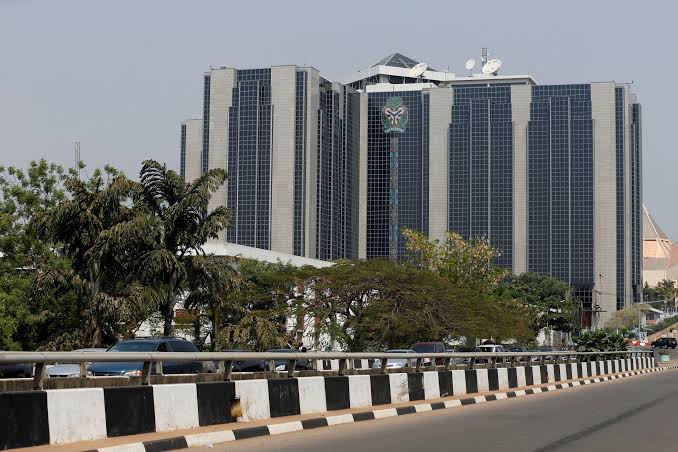
Nigeria's monetary policy has entered a new phase. After two years in which the Central Bank's priority was restoring stability — taming inflation, unifying the exchange rate and rebuilding credibility — the question now is whether the framework can shift from stabilisation to growth without surrendering the gains it has won.
The transition is not automatic. Stability and growth require different policy reflexes, and the risk is that the easing that is appropriate once inflation is falling becomes, a few steps too far, a relapse into the loose conditions that created the original problem.
The market's demand is not for drama but for predictability. Business investment responds to the expectation that tomorrow's rules will resemble today's — and that is the real test of the reset.
What the reset demands of the market
A credible disinflation framework asks something of everyone. Banks must price risk honestly rather than rely on the central bank to absorb losses. Corporates must invest on the basis of returns, not on the expectation of cheap dollars. And the fiscal authority must stop doing the things that force the monetary authority to clean up afterwards — above all, resorting to deficit financing that undermines the very stability being built.
The sequencing problem
The hardest part of the transition is sequencing. Cut rates too early and inflation expectations re-anchor upward. Keep them too high for too long and you strangle the credit growth that businesses need to expand. The central bank has begun easing, and each inflation print gives it more or less room. The art is to move gradually enough that the market reads commitment, not capitulation.
The naira is the tell
Exchange-rate stability is the hinge. A stable naira lowers imported inflation, improves the real return on local assets and gives foreign investors confidence to stay. A volatile one undoes all three. That is why the recent firmness of the currency, and the narrowing gap between the official and parallel markets, matter more than any single headline number. They are evidence that the framework is holding.
What growth actually requires
Monetary policy can create the conditions for growth, but it cannot produce growth on its own. That depends on power, infrastructure, security and the cost of doing business — the supply-side foundations that no interest-rate decision can substitute for. The market's task in this next phase is to hold policymakers to the full agenda, not just the part that is visible on the MPC calendar.
The bottom line
The reset has delivered stability. Converting it into durable, broad-based growth is a harder and longer project, and it will be judged not by the direction of the policy rate but by whether investment, jobs and real incomes follow. That is the standard the market should apply — and the one the reset must meet.
Up next
NAFDAC Seizes N200m Counterfeit Beverage Packaging in Aba Raids
The food and drug regulator seized fake packaging for alcoholic beverages across shops in Aba, stepping up enforcement against product adulteration.
More in Opinion & Analysis
See all
Will Nigeria's Biggest Rate Cut Unlock Cheaper Credit?
Nigeria's central bank has delivered its largest-ever cut to the benchmark rate. The question now is whether banks will pass it on to the businesses and households that need affordable credit.
Why the naira story matters far beyond currency traders
Exchange-rate stability is now the swing factor in the earnings of almost every large listed company.

Nigeria's Petrol Subsidy Debate: What the IMF's Warning Really Says
The IMF used its fiscal monitor briefing to warn against restoring broad fuel subsidies. This analysis examines the fiscal arithmetic, the politics and the realistic path for Nigeria.
About the author
Amaka Obi
Senior Business Reporter
Amaka Obi writes for BusinessPress.