Afreximbank Tours Elektron's 40MW Lagos Power Plant as Embedded Energy Draws Financing Interest
A senior Afreximbank official toured Elektron Energy's 40-megawatt plant in Victoria Island, Lagos, on Wednesday, a visit that highlights embedded power's growing role in Nigeria.
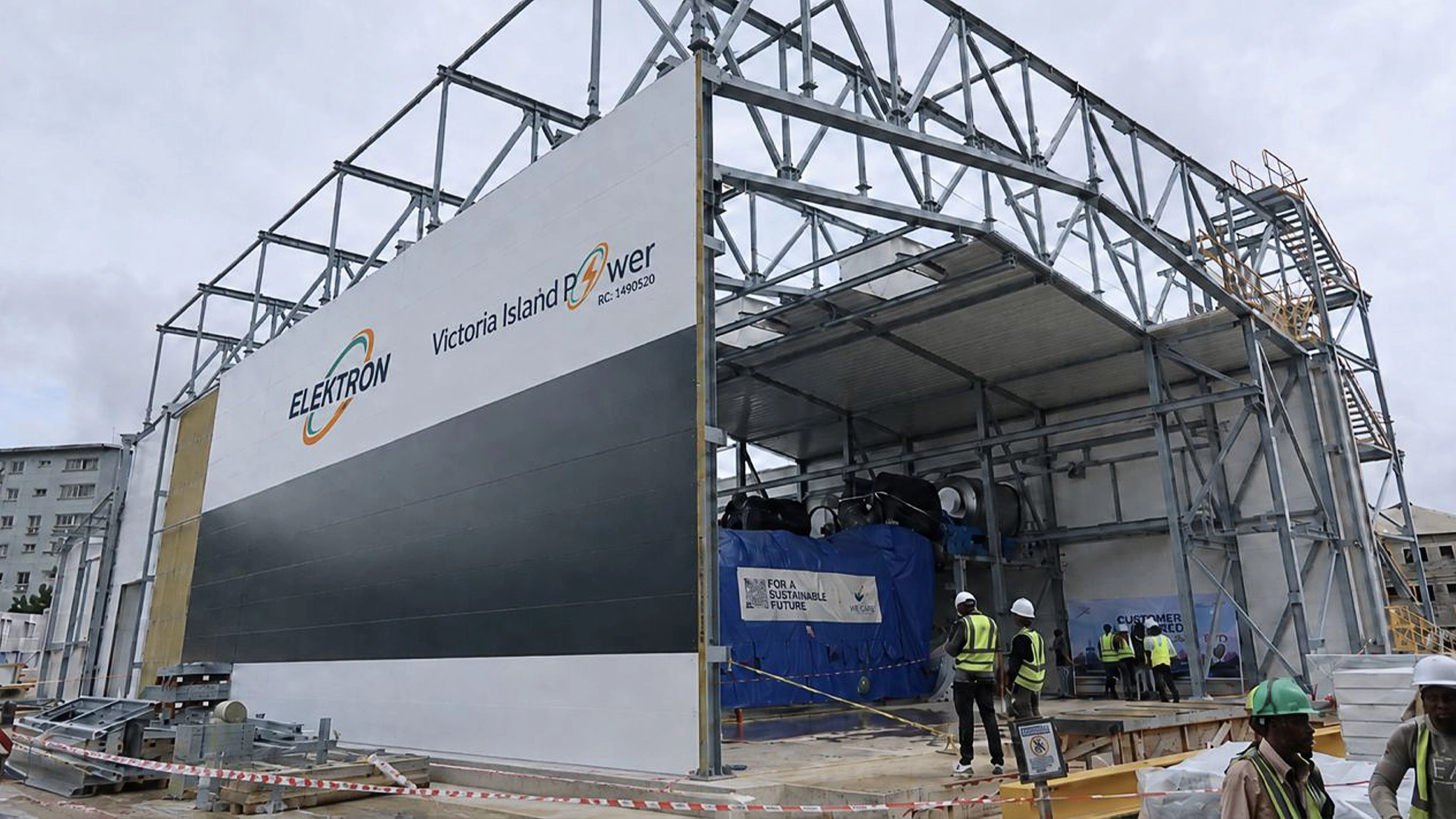
A senior African Export-Import Bank official toured Elektron Energy's 40-megawatt power plant in Victoria Island, Lagos, on Wednesday, in a visit that highlights the growing role of embedded generation in Nigeria's electricity market and the financing interest it is beginning to attract.
The Afreximbank delegation was led by Kudakwashe Matereke, the bank's director of regional operations for Anglophone West Africa, who met Elektron's founder and chief executive, Tola Talabi. The parties discussed embedded power, industrialisation, energy security and intra-African trade, according to BusinessDay. No financing amount or timeline was announced.
Why embedded power is drawing attention
Embedded generation refers to power plants built close to the customers they serve, often on industrial estates or inside commercial districts, and connected to the distribution network rather than the transmission grid. The model has spread across Nigeria because it sidesteps two of the sector's chronic problems: insufficient transmission capacity and unreliable grid supply. For manufacturers and large commercial users, a plant on the doorstep can mean stable power without a years-long wait for grid upgrades.
Elektron's Victoria Island facility is a case in point. It supplies power directly into one of Lagos's densest commercial districts, where banks, offices and hospitality businesses place a premium on uninterrupted electricity. For those customers, dependable supply is not a convenience but an input cost, since running diesel generators is far more expensive than buying embedded gas-fired power.
The financing gap
The reason a visit from a development financier matters is that embedded power projects are capital-intensive and need long-tenor debt to be viable. A gas-fired plant requires substantial upfront spending on turbines, gas supply infrastructure and grid interconnection, and the returns accrue over many years of selling electricity. Commercial banks in Nigeria, with their short deposit bases and high funding costs, are often poorly suited to lending over the decade or more such projects require.
Development finance institutions and multilateral lenders, by contrast, can provide longer-dated money and are increasingly interested in projects that improve energy access and reduce reliance on self-generation. Afreximbank in particular has made industrialisation and intra-African trade central to its mandate, both of which depend on reliable and affordable power.
What it means for industry
For Nigerian manufacturers and businesses, the expansion of embedded power is one of the more tangible improvements in the operating environment. When electricity is reliable and priced competitively, factories can run closer to capacity, scrap the diesel generators that inflate their costs, and plan production with greater confidence. That, in turn, improves their competitiveness against imports and their ability to export.
There are also spillover effects for the grid. Embedded plants that feed surplus power into the distribution network can ease pressure on the system as a whole, and they create a template for other developers to replicate, provided the regulatory framework continues to support them.
The next test
The Afreximbank visit is a signal of interest rather than a commitment, and the market will now watch for whether it converts into a facility. The broader test for embedded power in Nigeria is whether developers can secure the long-term gas supply and financing they need, and whether the tariff and regulatory environment remains stable enough to justify the investment. If it does, plants like Elektron's could become a template for closing Nigeria's power gap one industrial cluster at a time.
Up next
Standard Bank Signs Deal to Invest in OPay Ahead of New York Listing
Standard Bank Group has signed a subscription agreement to invest in OPay, expected to close around the fintech's planned New York listing, subject to the offering and regulatory approvals.
More in Corporate
See all
Bisedge Secures €10 Million Finnfund Loan to Electrify Nigerian Logistics
Bisedge has secured a €10 million long-term investment loan from Finnfund to expand its electric materials-handling fleet in Nigeria and East Africa.
NNPC Profit Rises 33% to N7.2 Trillion as Oil Output Hits Five-Year High
NNPC Limited reported a 33% rise in profit after tax to N7.2 trillion for 2025, even as revenue fell 24%, with crude output at a five-year high of 1.77m bpd.
Ibom Air Appoints Two Executive Directors
Ibom Air has appointed Mfon Udomah as Executive Director, Finance, and Dr Eno Udoma-Eniang as Executive Director, Legal and Corporate Affairs.
About the author
Ngozi Eze
Companies Reporter
Ngozi Eze writes for BusinessPress.