NNPC Profit Rises 33% to N7.2 Trillion as Oil Output Hits Five-Year High
NNPC Limited reported a 33% rise in profit after tax to N7.2 trillion for 2025, even as revenue fell 24%, with crude output at a five-year high of 1.77m bpd.

NNPC Limited has reported a 33 per cent rise in profit after tax to N7.2 trillion for the 2025 financial year, even as revenue fell, in a result that underscores how a state oil company can improve earnings while selling less crude.
The audited results for the year ended December 31, 2025, presented at the company's annual general meeting and second earnings call, also showed crude oil and condensate production averaging 1.77 million barrels per day — the highest level in five years.
Profits up, revenue down
The headline numbers appear contradictory. Profit after tax rose to N7.2 trillion from N5.4 trillion in 2024, while revenue fell 24 per cent to N34.5 trillion. The company attributed the revenue decline principally to lower crude oil prices and reduced white product volumes following market deregulation in 2024.
Yet stronger earnings despite that pressure reflected an improvement in underlying operations and cost management. EBITDA rose 22 per cent to N18.0 trillion, earnings per share climbed 32 per cent to N35.9, operating cash flow grew 16 per cent to N12.8 trillion, and return on equity improved by 200 basis points to 16 per cent. The declared dividend increased 35 per cent to N5.8 trillion.
Record output and completed projects
Operationally, NNPC reported crude oil and condensate production of 1.77 million barrels per day, its strongest in five years, and natural gas output of 7.2 billion standard cubic feet per day, a three-year high.
The company also flagged progress on flagship infrastructure. It completed the 40-inch by 623-kilometre Ajaokuta-Kaduna-Kano (AKK) mainline, commissioned the ANOH-OB3 custody transfer metering station and advanced the 300 million standard cubic feet per day ANOH gas processing plant toward start-up readiness. NNPC's gas infrastructure subsidiary also completed the River Niger crossing of the 130-kilometre Obiafu-Obrikom-Oben (OB3) pipeline.
Business Insight
NNPC's results illustrate that profitability in the oil business is not simply a function of revenue. Higher production of crude and gas, better cost control and a more favourable product mix can lift profit even when headline revenue falls. The 1.77 million barrels per day output figure is particularly significant: higher production is the surest way for Nigeria to raise oil revenue and foreign exchange earnings, and it has been a central objective of the government's reforms.
The completed gas projects matter for the wider economy. The AKK pipeline and the OB3 crossing are pieces of the infrastructure needed to move gas from producing regions to industrial and power customers, and to support Nigeria's ambition of becoming a regional gas hub. Gas can power electricity generation, feed fertilizer and petrochemical plants, and generate export earnings.
Questions remain, however. Profit at a national oil company of this scale must ultimately translate into remittances to the federation account and into investment in future production. Rising output is encouraging, but sustaining it requires continuous capital spending and a security environment in which pipelines and facilities can operate without disruption.
Background
NNPC was transformed into a limited liability company in 2022 under the Petroleum Industry Act, with a mandate to operate commercially rather than as a government department. The transition has been accompanied by reforms to crude sales, subsidy removal and domestic refining capacity. The company has become more transparent about its financials, publishing audited accounts and monthly reports.
Conclusion
NNPC's N7.2 trillion profit and five-year-high production are genuine achievements. But the company's value to Nigeria lies not in its bottom line alone, but in how much of that profit reaches the federation account and how much is reinvested to keep output rising. On both counts, the coming years will be the real test.
Up next
NCC Moves to Block Unapproved Phones as Users Get 30-Day Alerts
Nigerians are receiving alerts warning their phones could be disconnected after 30 days under the NCC's new Device Management System for type-approved devices.
More in Corporate
See all
Bisedge Secures €10 Million Finnfund Loan to Electrify Nigerian Logistics
Bisedge has secured a €10 million long-term investment loan from Finnfund to expand its electric materials-handling fleet in Nigeria and East Africa.
Afreximbank Tours Elektron's 40MW Lagos Power Plant as Embedded Energy Draws Financing Interest
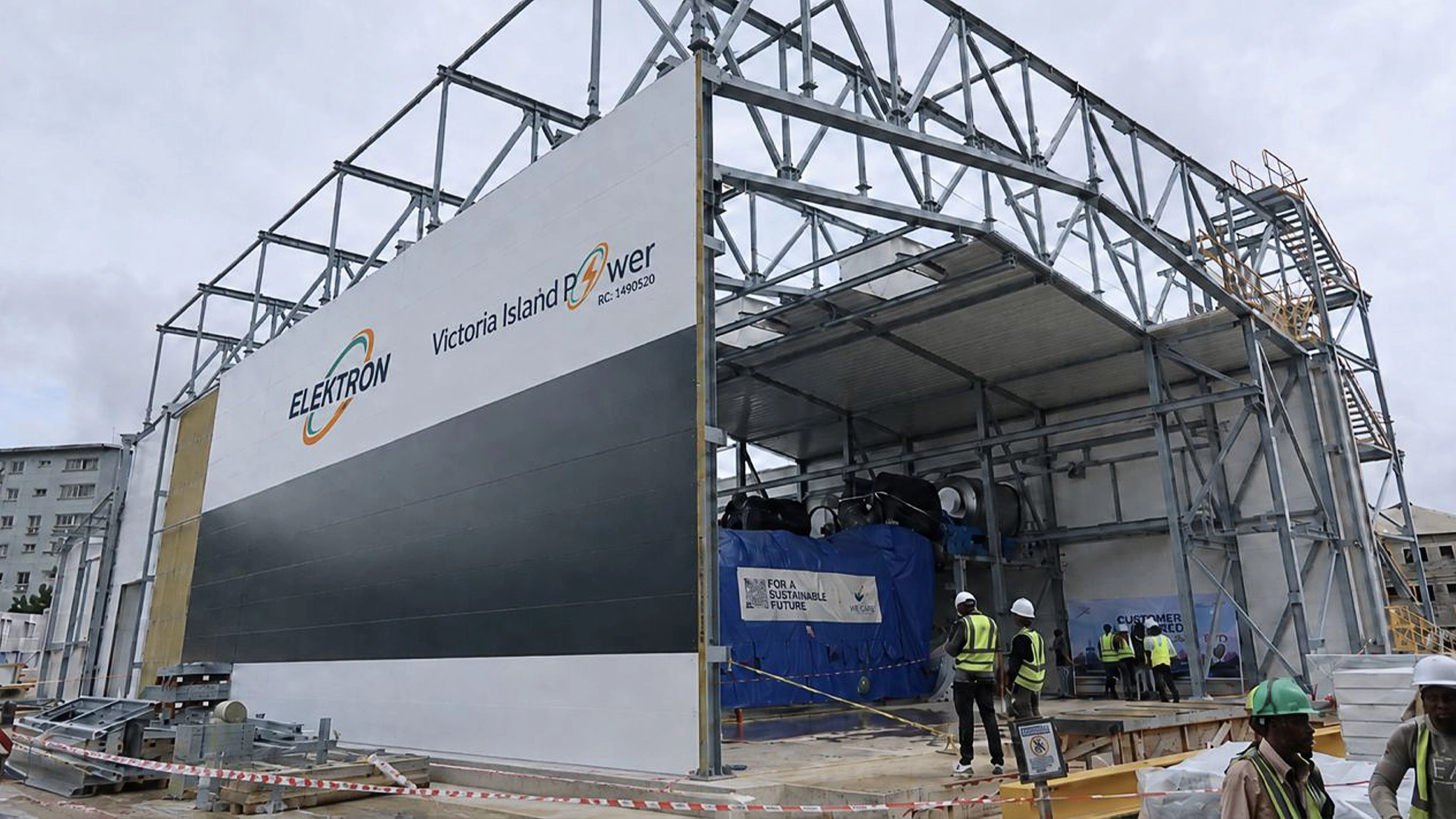
A senior Afreximbank official toured Elektron Energy's 40-megawatt plant in Victoria Island, Lagos, on Wednesday, a visit that highlights embedded power's growing role in Nigeria.
eTranzact Reshuffles Board After Trademarks Global Takes 56.18% Stake
eTranzact has appointed five new directors after Trademarks Global Concepts acquired a 56.18% controlling stake, transferring 5.17 billion shares.
About the author
Ngozi Eze
Companies Reporter
Ngozi Eze writes for BusinessPress.