Africa's Credit Outlook Improves as AfCRA Seeks to Reshape Risk Assessments
Africa's credit outlook has improved as the African Credit Rating Agency (AfCRA) moves to reshape sovereign and corporate risk assessments, challenging international methodologies that have long frustrated African borrowers.
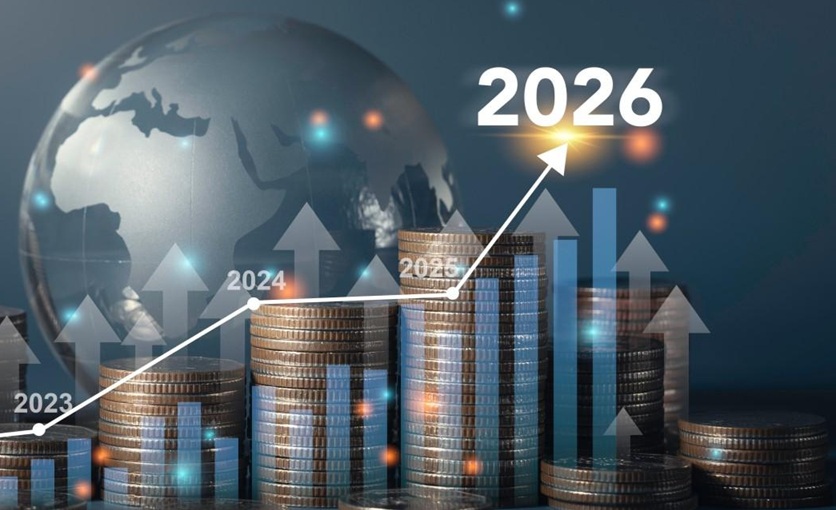
Africa's credit outlook is improving as the African Credit Rating Agency (AfCRA) moves to reshape how sovereign and corporate risk is assessed across the continent, challenging international methodologies that African policymakers have long argued understate reform progress and structural strengths.
The shift comes as several African economies, including Nigeria, have seen upgrades or improved outlooks from global ratings firms after years of fiscal and monetary adjustment. Fitch revised Nigeria's credit outlook to positive earlier this month while affirming a 'B' rating, pointing to improved oil production, domestic refining and a rebuild in net foreign exchange reserves.
Why a home-grown rating agency matters
International ratings have a direct cost channel for African borrowers. Sovereign ratings influence eurobond yields, access to multilateral finance and the collateral treatment of African assets in global portfolios. AfCRA's mandate is to provide assessments that incorporate deeper local knowledge of growth models, revenue structures and reform trajectories than offshore methodologies often allow.
For corporate issuers, a credible continental agency can also reduce the dominance of the three big global firms in bank capital calculations and investor mandates, potentially lowering the risk premium attached to African credit.
Reform momentum meets better numbers
The improving outlook is not only institutional. Nigeria's gross reserves have climbed to about $58.81 billion, headline inflation has fallen for four consecutive months to 14.63 per cent, and the IMF has raised the country's 2026 growth forecast to 4.2 per cent. Similar macro stabilisation stories across parts of East and West Africa have fed into more constructive ratings language.
Afreximbank and other continental institutions have also argued that international ratings do not always adequately reflect improvements in economic fundamentals and reform performance, raising borrowing costs for countries that have already paid the political price of adjustment.
Credibility will be the test
AfCRA's influence will ultimately depend on whether global investors and lenders treat its ratings as decision-relevant. That requires transparent methodologies, historical track records and independence from the sovereign issuers being rated. If those conditions are met, a stronger continental ratings infrastructure could become a meaningful pillar of Africa's capital market architecture — not a parallel alternative, but a competing source of analysis that disciplines pricing on both sides.
Up next
Dollar Retreats From Monthly Highs as AI Credit Fears Lift Treasury Bids
The US dollar retreated from multi-month highs as concerns about artificial intelligence capital expenditure and credit stress in technology infrastructure pushed Treasury yields lower and softened the Dollar Index toward 101.80.
More in Markets
See all
Naira Projected to Hold at N1,290–N1,370 per Dollar This Month
Latest fundamental analysis projects the naira will remain around N1,290 to N1,370 per US dollar through October, with the CBN's reduced policy rate and seasonal import demand capping both appreciation and sharp depreciation.
Nigeria's Dollar Trading Slumps 22% to $2.62 Billion as Forward Deals Plunge
Dollar trading in Nigeria's official foreign exchange market fell 22.23 per cent to $2.62 billion in the week ended October 16, with forward contracts plunging 81.14 per cent as spot activity also slowed.
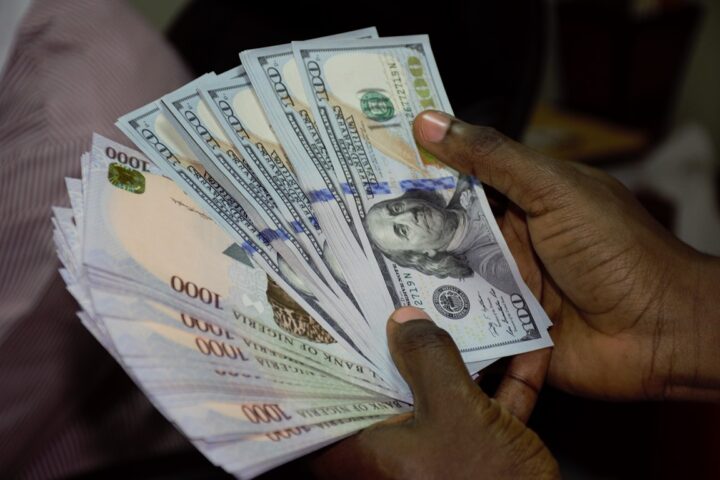
Naira Holds Near N1,331/$ as Record Reserves Steady the Currency
Nigeria's naira opened the week around N1,331 per dollar, supported by foreign reserves that have climbed to about $58.81 billion — their highest level since November 2008.
About the author
Adaeze Okonkwo
Markets Editor
Adaeze Okonkwo writes for BusinessPress.