Gabon Raises $580m in Eight-Year Eurobond at 9.375% as Orders Near $1bn
Gabon sold $580 million of eight-year Eurobonds on 14 October with a 9.375 per cent coupon, drawing close to $1 billion in orders and trimming its risk premium despite higher US rates.
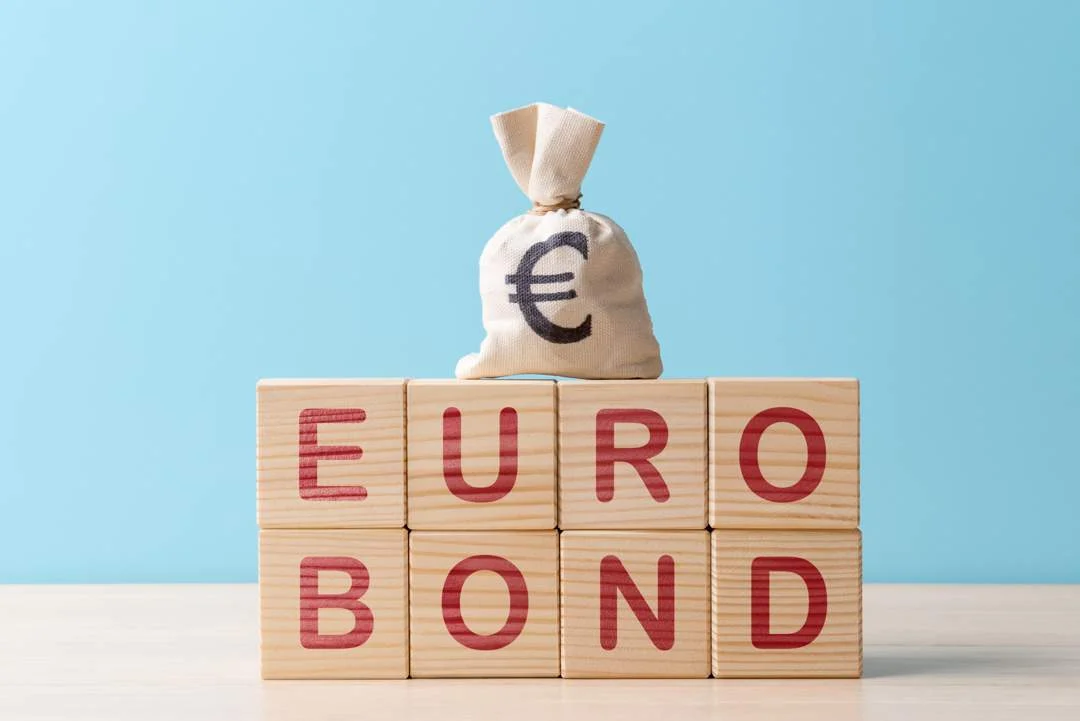
Gabon has raised $580 million in an eight-year Eurobond carrying a 9.375 per cent coupon, pricing the sale on 14 October 2026 after attracting an order book of close to $1 billion, the country's finance ministry said, in its second visit to international capital markets since July.
The bond was reported on 15 October, with the ministry saying the order book was nearly double the issue size and that the risk premium had tightened by about 50 basis points against July's sale, despite higher United States rates and a longer maturity. Finance minister Thierry Minko led the transaction while representing Gabon at the International Monetary Fund and World Bank annual meetings in Bangkok this week, where bilateral meetings were scheduled on the sidelines.
Gabon last tapped the market in July 2026, raising $920 million at the same 9.375 per cent coupon. Together the two deals take the country's borrowing to roughly $1.5 billion in under three months.
The terms on the table
The new bond matures in 2034 and, at the announced coupon, carries an annual interest bill of about $54 million on the $580 million raised. The ministry described this as the country's first Eurobond sold in a public-offer format since 2021, a distinction that matters because it widens the buyer base beyond the banks and funds that take allocations in a private placement.
What was not published is nearly as significant: the issue price, the yield delivered to investors, the banks that ran the sale and the exact use of proceeds were all left out of the announcement. Investors are therefore pricing Gabon off the coupon alone, and off the secondary market's verdict in the days after settlement.
A tighter premium, by the ministry's own account
The claim of a 50 basis point improvement against July rests on the ministry's statement rather than on published yields, since neither issue's yield to investors was disclosed. The direction is consistent with the market's behaviour, however: Gabon came with a larger order book, a public offer format and an improving oil price backdrop, while the sovereign's spread to comparable Central African issuers has been compressing since the first half of the year.
Cost of carry is the other side of the ledger. At 9.375 per cent, Gabon is paying a coupon that sits well above where investment-grade emerging market sovereigns borrow, and the arithmetic compounds: two rounds of issuance in a single year add roughly $106 million of annual interest before either bond amortises.
Washington is the gating item
Behind the transaction sits an unfinished negotiation with the IMF. Gabon formally requested programme support in March 2026, and a fund staff team visited Libreville in September for technical discussions covering the findings of a public debt audit and the government's fiscal proposals for 2027, with negotiations now being prepared.
Investors know the pattern from elsewhere on the continent: an IMF-backed programme typically buys a sovereign a tighter spread, a longer tenor and easier access when the next maturity falls due. Conversely, a delayed agreement would leave Gabon financing itself at 9.375 per cent into a year when the audit's findings may reshape the debt stock the bond is issued against.
Minko's presence at the Washington meetings, with bilateral discussions planned around the annual gatherings, suggests the programme is the file he most wants advanced before the market asks for a third issuance.
What the market still cannot see
Three disclosures would set the price of Gabon's next bond more reliably than the coupon does: the published results of the public debt audit, an IMF staff-level agreement, and the planned use of the $580 million. Until those arrive, the sovereign's borrowing cost is a single observable number and a ministry statement about a premium that no third party can verify.
The immediate test comes when this bond begins trading. A tightening spread against July's issue would confirm the ministry's account; a widening one would indicate that the order book was built on price rather than conviction.
Up next
FAAC Shares N2.428 Trillion to FG, States, LGs as Oil Revenue Rebounds
The three tiers of government shared N2.428 trillion for September 2026, up N90 billion from August, as gross statutory revenue rose 8.6% on higher oil receipts while VAT collections fell 2.2%.
More in Markets
See all
DMO offers N1.75tn FGN bonds ahead of Monday's auction
The Debt Management Office has offered N1.75 trillion in FGN bonds for subscription ahead of Monday's auction, with three tranches across 2034, 2036 and 2038 and settlement set for 21 October 2026.

Gold Hits Record High as Oil Slides and Markets Hedge Global Risk
Bullion climbed to about $4,145 an ounce on central-bank buying and rate-cut bets, diverging from crude in a market that is hedging rather than celebrating.
Oil Prices Slide as Geopolitical Risk Premium Eases, Weighing on Nigeria's Outlook
Brent slipped toward $104 and WTI to about $94 as supply-route fears eased, a move with direct consequences for Nigeria's budget and FX earnings.
About the author
Adaeze Okonkwo
Markets Editor
Adaeze Okonkwo writes for BusinessPress.