Oil Prices Slide as Geopolitical Risk Premium Eases, Weighing on Nigeria's Outlook
Brent slipped toward $104 and WTI to about $94 as supply-route fears eased, a move with direct consequences for Nigeria's budget and FX earnings.
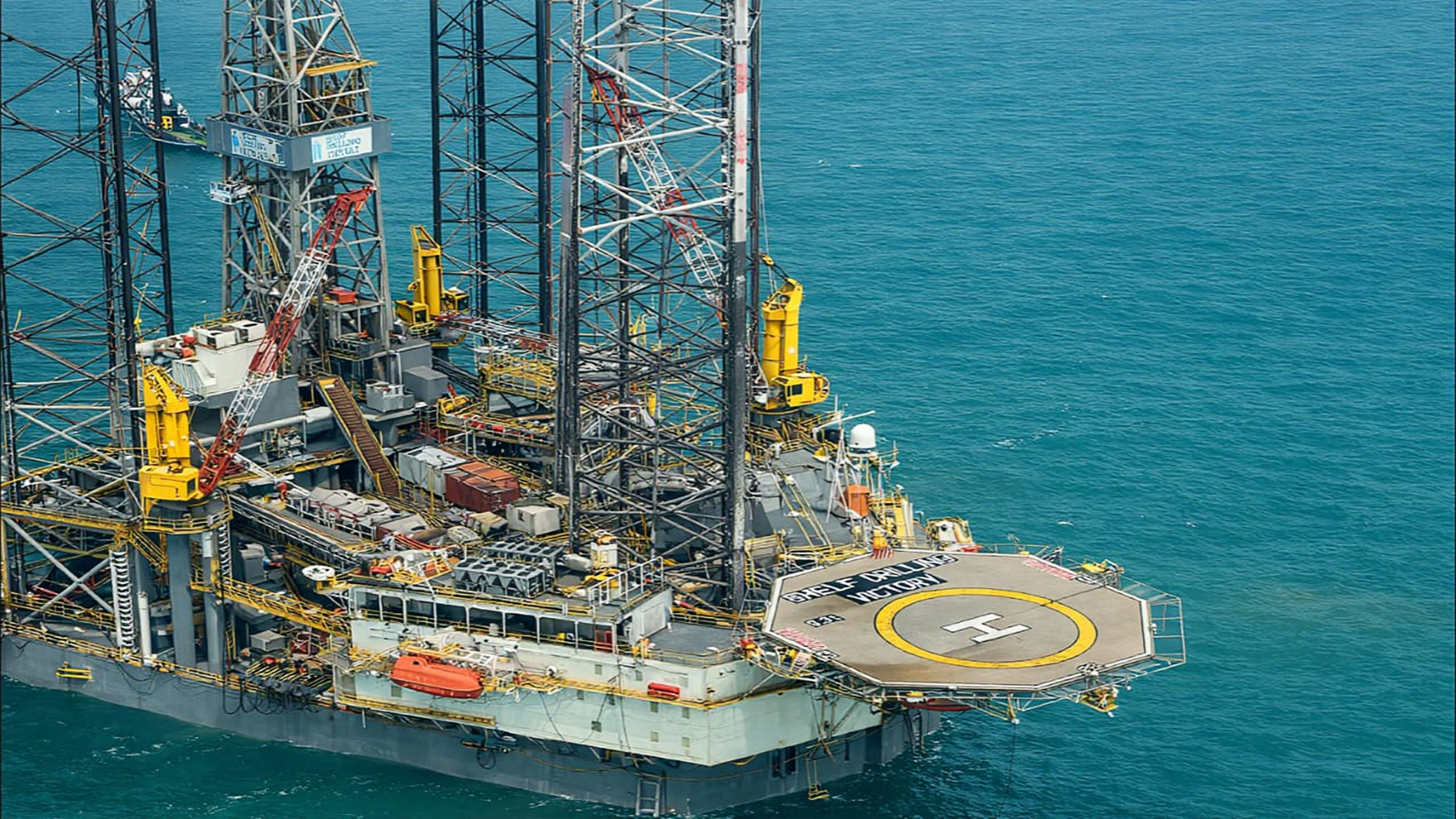
Global oil prices slid on Thursday as traders weighed the prospect of easing geopolitical risk against lingering concerns over supply routes, with Brent crude trading near $104 a barrel and West Texas Intermediate around $94.
The pullback follows a period in which crude had been supported by fears of disruption around the Strait of Hormuz, a chokepoint through which a large share of the world's seaborne oil passes. Any signal that those risks may ease tends to strip the so-called geopolitical premium out of prices, and that is what the market did.
For Nigeria, the world's moves are not academic. Crude sales remain the backbone of government revenue and the single largest source of foreign exchange. A price in the low-$100s is a comfortable level for the budget; a sustained retreat toward the $80s would compress the fiscal space that policymakers have only recently begun to rebuild.
The geopolitical premium, in and out
Oil markets have oscillated for much of 2026 between supply-risk fears and demand worries. When tensions flare near key shipping lanes, prices spike; when those tensions appear to de-escalate, the premium unwinds. The current move is a classic case of the latter. The complication is that the underlying risks have not disappeared — they have merely been repriced. A single incident in the Gulf or a fresh sanctions development could reverse the drop within a session.
What this means for Nigeria's budget
Nigeria's 2026 budget was framed around a conservative oil-price assumption, which means current prices provide headroom. Every dollar above the benchmark adds to the Excess Crude Account and to federation revenue, easing the pressure on borrowing. But the government has also committed to removing costly fuel subsidies, and the IMF has warned repeatedly against their return. Lower oil prices would tempt a policy reversal; higher prices make reform easier to sustain politically.
The downstream angle
Domestic pump prices are only loosely tied to global benchmarks given the current deregulated regime and the role of the Dangote refinery in domestic supply. Still, a sustained fall in crude would eventually soften landing costs and import parity prices, offering modest relief to consumers and businesses that have borne the brunt of energy-driven inflation.
What to watch
The market will look next at OPEC+ supply decisions, the trajectory of the Iran-related sanctions picture and the strength of global demand. For Nigeria, the balance is delicate: prices high enough to fund the budget, but not so high that they reignite imported inflation and complicate the disinflation path.
Up next
Naira Firms to N1,332/$ Ahead of September Inflation Report
The naira strengthened at the official window while holding near N1,358 in the parallel market as traders positioned for the September inflation release.
More in Markets
See all
Gold Hits Record High as Oil Slides and Markets Hedge Global Risk
Bullion climbed to about $4,145 an ounce on central-bank buying and rate-cut bets, diverging from crude in a market that is hedging rather than celebrating.
Analysts see muted Q3 earnings for oil majors
Softer crude prices and maintenance downtime are expected to weigh on results.

Hot US Inflation Jolts Global Markets as Fed Rate-Hike Bets Jump
US consumer prices rose 3.7 per cent year on year in September, above expectations, jolting global markets and lifting bets that the Federal Reserve may raise rates.
About the author
Adaeze Okonkwo
Markets Editor
Adaeze Okonkwo writes for BusinessPress.