Federal Government and Bi-Courtney End Nearly 20-Year MM2 Dispute in N132 Billion Concession Settlement
Settlement agreements signed in Abuja end the long-running MM2 dispute: Bi-Courtney waives N132 billion in damages, the government writes off arrears and restores the hotel project, and regional flights are permitted within terminal capacity.
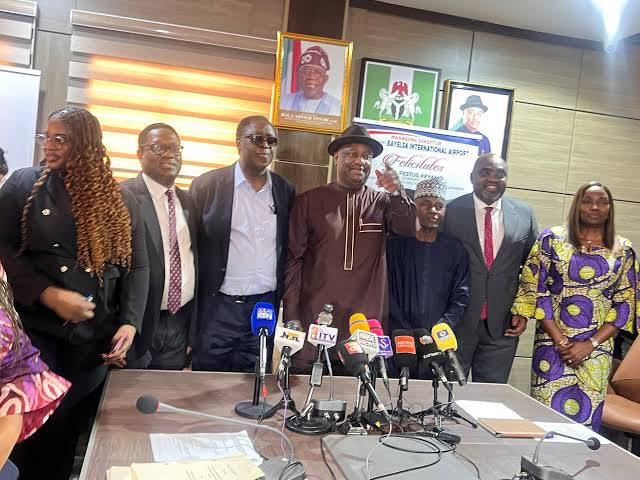
The Federal Government and Bi-Courtney Limited have formally ended their nearly 20-year dispute over the Murtala Muhammed Airport Terminal Two (MM2) in Lagos, with the signing of settlement agreements that cover the terminal itself and an uncompleted hotel and conference centre facing the facility.
The agreements were signed on Tuesday, October 20, 2026, in Abuja by the Federal Government, the Federal Airports Authority of Nigeria (FAAN), Bi-Courtney Limited and Stabilini Visinoni Limited, the Minister of Aviation and Aerospace Development, Festus Keyamo, SAN, said at the ceremony. The settlement gives effect to a negotiated resolution approved by the Federal Executive Council on April 30, 2026, after claims and counter-claims between the parties reached the Supreme Court, and formalises concessions the minister first set out on May 1, 2026. Nairametrics reported the signing, and The Guardian Nigeria and Vanguard carried the same terms earlier in the week.
Bi-Courtney Aviation Services Limited, a subsidiary of the Bi-Courtney Group chaired by Dr Wale Babalakin, has operated MM2 under a design-build-operate-transfer concession awarded by the Federal Government in 2003. The terminal opened in 2007 as Nigeria's first privately concessioned airport, and has since handled a meaningful share of domestic Lagos traffic alongside the federal government's General Aviation Terminal. What followed was a long argument about money: in July 2021 Bi-Courtney said FAAN owed it more than N200 billion in lost earnings, while the then minister, Hadi Sirika, said the company owed the government about N13 billion. Negotiations restarted roughly two years ago under President Bola Tinubu's directive, according to Keyamo.
What the settlement actually transfers
The concessions cut in both directions, and the net position matters more than the headline. On the private side, Bi-Courtney has agreed to waive N132 billion in court-awarded damages against the Federal Government and to give up its claim to the old domestic terminal at Murtala Muhammed Airport, which the Supreme Court had ordered handed over to the company. It has also surrendered its exclusive rights to operate private or domestic airports in and around Lagos State, and will start paying concession fees under the April 24, 2003 agreement once the settlement is executed.
On the government side, the Federal Government writes off concession fees that accumulated during the dispute and returns the revoked hotel and conference centre project to Bi-Courtney for completion and operation within 24 months, subject to revenue-sharing arrangements. It has also agreed to permit regional flight operations at MM2, subject to terminal capacity, and to provide additional land for apron expansion so more aircraft can be accommodated.
Read together, the terms exchange litigation risk for cash flow: the concession fee that had been frozen for nearly two decades starts moving again, while the federal government gives up its claim to N132 billion in damages and its grip on the hotel project. The trade is straightforward in direction and deliberately vague on price.
The hotel and conference centre is the hard part
The commercial test in the settlement is the 24-month deadline attached to the uncompleted hotel and conference centre. Returning a stalled private project to its original promoter looks like a straightforward remedy, but it shifts a construction and financing burden onto Bi-Courtney at the moment when the operator has just surrendered a N132 billion damages claim and committed to resuming fee payments. The revenue-sharing arrangement is what makes it workable, and the terms of that arrangement have not been published.
There is also a sequencing problem. The federal government has said the terminal will be allowed to host regional flights, which is the commercial prize MM2 was designed for, but only within the terminal's existing capacity, while extra land for apron expansion is promised rather than delivered. Regional carriers need parking stands, handling slots and bankable tariffs at the same time; concession text without those assets does not create international traffic.
Why the settlement matters beyond one terminal
The signing was attended by the Managing Director of FAAN and the Director-General of the Infrastructure Concession Regulatory Commission, which signals that the government wants this treated as a template for how contested infrastructure concessions are unwound. Nigeria's concession framework has always been strong on award and weak on the exit path. A dispute that reached the Supreme Court and consumed two decades of a flagship asset has made the exit problem visible in a way that award criteria did not.
The minister's framing is that the Federal Government will now begin receiving its share of MM2 revenue for the first time in nearly two decades while the airport becomes a platform for intra-African regional flights. Both claims depend on execution rather than signature. Concession fees depend on passenger throughput, and regional operations depend on slots, ground handling and airline economics that are outside the settlement document.
What the agreements leave open
Several items will determine whether this is a durable resolution or a new chapter of the same argument. The quantum of the concession fees now payable is not disclosed, so the government's actual revenue recovery cannot yet be estimated. The revenue-sharing terms on the hotel and conference centre are likewise unpublished. Whether Bi-Courtney retains operational control of MM2 beyond the reinstated 2003 agreement, and what happens if the hotel project misses its 24-month window, are also unstated.
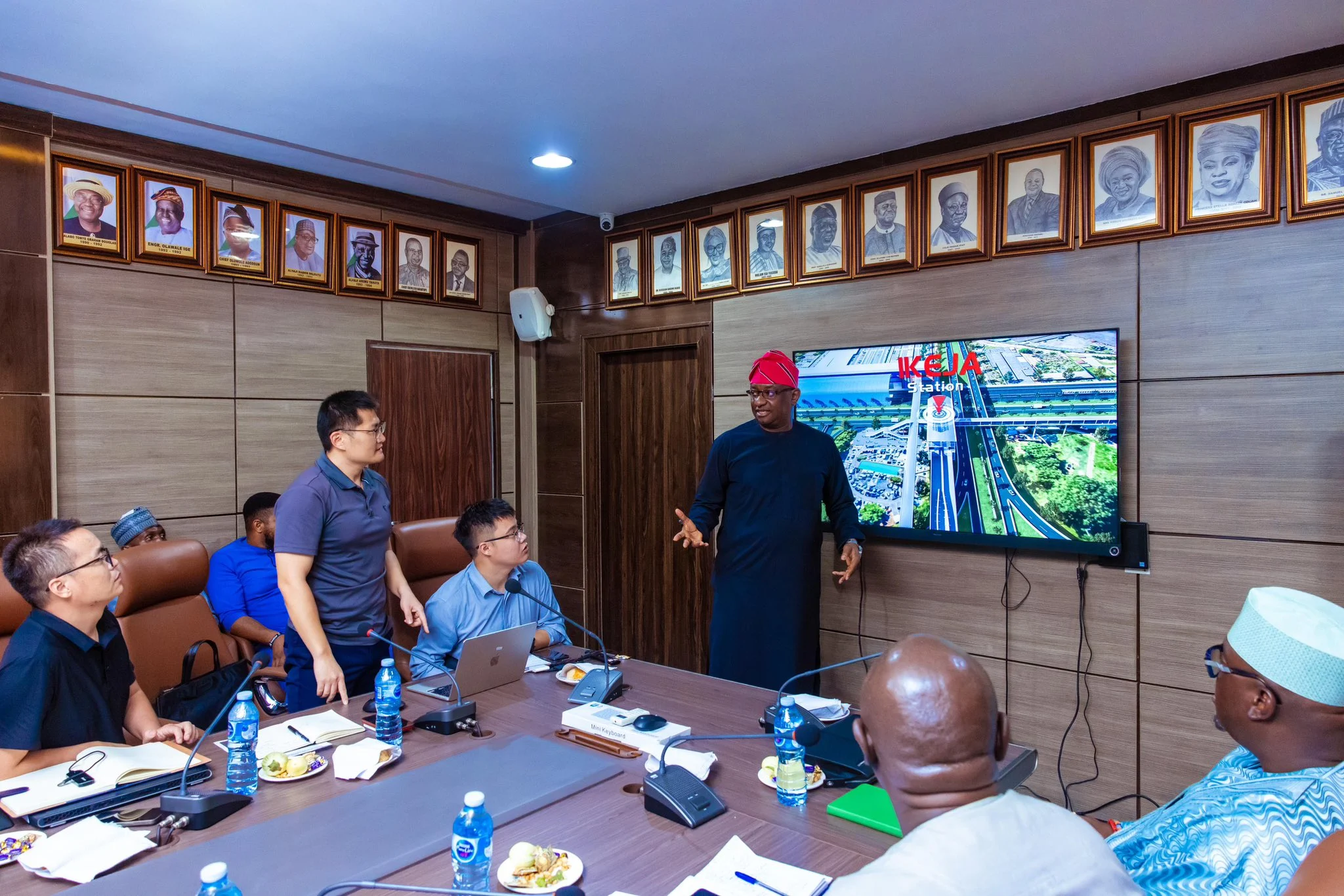
There is a rail dimension that could accelerate the terminal's recovery. The Federal Government has previously announced plans to extend rail connectivity from Ikeja to Murtala Muhammed International Airport, the General Aviation Terminal and MM2. For a terminal trying to win regional passengers, a rail link is worth more than a marketing campaign, and it would sit outside the settlement. The test of the October agreement will be whether MM2's traffic, capacity and fee receipts move within a year. Two decades of claims have been closed with a signature; what has not been closed is the operating business underneath it.
Up next
Nigeria's Gas Boom Faces a Bankability Test Beyond LNG Exports
TotalEnergies and AMNI's Ima gas field will feed Nigeria LNG rather than domestic power, as executives warn that export economics keep outpacing gas-to-power and industrial demand.
More in Corporate
See allOnafriq Winds Down Baxi Agent Banking Business in Nigeria
Pan-African payments network Onafriq is winding down Baxi, its Nigerian agent banking business, after five years, citing inflation, naira depreciation, rising operating costs and the rapid growth of instant account-to-account payments.

Nigeria's Certified Cloud Register Will Decide Who Handles Banks' Sensitive Data
Nigeria's certified cloud register, launching under NITDA's National Sovereignty framework, will decide which cloud and data infrastructure providers can handle banks' and other regulated-sector data from October 2026.

Renda Secures $1.9 Million Pre-Seed Funding for Expansion
Renda has raised $1.9 million in pre-seed funding to expand its operations, according to BusinessDay, in a round that adds to recent venture deal flow in Nigeria's technology and services market.
About the author
Ngozi Eze
Companies Reporter
Ngozi Eze writes for BusinessPress.