Nigerian Banks Park Over N6 Trillion at CBN After N2.4 Trillion OMO Repayment
Banks are holding more than N6 trillion in deposits at the Central Bank of Nigeria after a N2.4 trillion Open Market Operation repayment injected a surge of liquidity into the banking system.
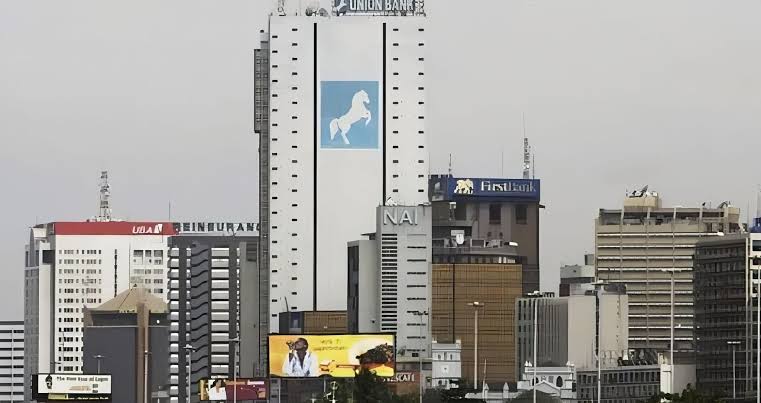
Nigerian banks are holding more than N6 trillion in deposits at the Central Bank of Nigeria following a N2.4 trillion repayment of Open Market Operation (OMO) bills, a liquidity injection that has reshaped money market dynamics and raised fresh questions about how the central bank will mop up the excess.
The repayment landed at a time when system liquidity was already fluctuating sharply, and the resulting pool of idle balances at the central bank has pushed short-term rates lower while complicating the CBN's domestic debt management operations.
How the liquidity surge unfolded
OMO bills are the central bank's primary sterilisation tool — instruments sold to banks and non-bank investors to absorb naira liquidity from the system. When those bills mature and are not rolled over at the same scale, the repayment returns principal to holders, in this case principally banks, expanding their cash balances.
With N2.4 trillion returning in a compressed window, banks found themselves with elevated correspondent balances at the CBN. The aggregate stock of such deposits has now crossed N6 trillion, money market data show.
Pressure on short-term rates
Abundant system liquidity typically pushes down interbank rates and the effective yield on short-dated instruments, compressing the spread banks earn on money market placements. For lenders that had built a substantial book on OMO and treasury bill yields, the repricing is immediate.
Analysts at local research houses have noted that the liquidity overhang could support speculative funding and equity market flows in the near term, even as it complicates the central bank's efforts to keep financial conditions appropriately tight against the inflation target.
The CBN's next move
The central bank now faces a familiar trade-off: issue fresh OMO or treasury paper to recapture the liquidity, or allow the money supply expansion to feed through to credit growth and asset prices. The choice will shape yields, the naira's behaviour in the official window and the cost of the government's next round of domestic borrowing.
Up next
Fidelity Bank Raises Over N500 Billion to Meet CBN Recapitalisation Bar
Fidelity Bank has raised over N500 billion in new capital as Nigerian lenders race to meet the Central Bank of Nigeria's recapitalisation thresholds ahead of regulatory deadlines.
More in Finance
See all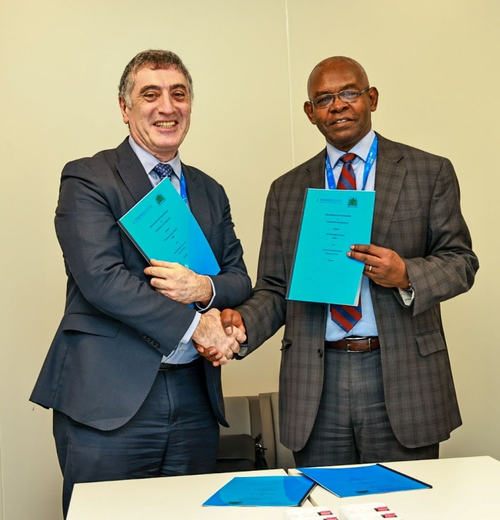
CBK Signs MoU With Toronto Centre to Strengthen Supervisory Training
The Central Bank of Kenya has signed a memorandum of understanding with the Toronto Centre for Financial Supervision, signed in Bangkok on the sidelines of the IMF and World Bank annual meetings, to strengthen supervisory training.

Vodacom-Safaricom Appeal Fast-Tracked as Kenya Refund Risk Lingers
Kenya's Court of Appeal has decided to fast-track the challenge to the nullified Sh204.3 billion sale of government Safaricom shares to Vodacom, preserving the status quo while about $1.557 billion in foreign exchange inflows hangs in the balance.
Fitch Moves Nine Nigerian Banks, Two Holdcos to Positive Outlook
Fitch Ratings has moved nine Nigerian banks and two bank holding companies to Positive outlook from Stable while affirming their long-term issuer default ratings at B, following its October 9 revision of Nigeria's sovereign outlook.
About the author
Ngozi Eze
Companies Reporter
Ngozi Eze writes for BusinessPress.
More by Ngozi Eze