FG Breaks Ground on 17.7MW Ibadan Solar Mini-Grid Targeting 22,597 Connections
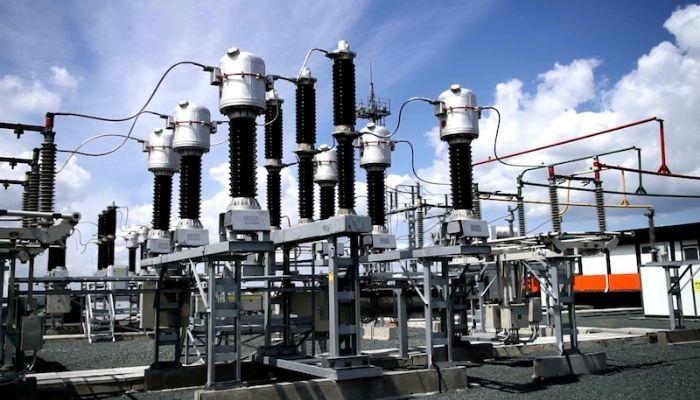
The Federal Government has begun construction of a 17.7MW interconnected solar mini-grid in Ibadan under the DARES programme, targeting 20 hours of daily supply and 22,597 connections across five communities.
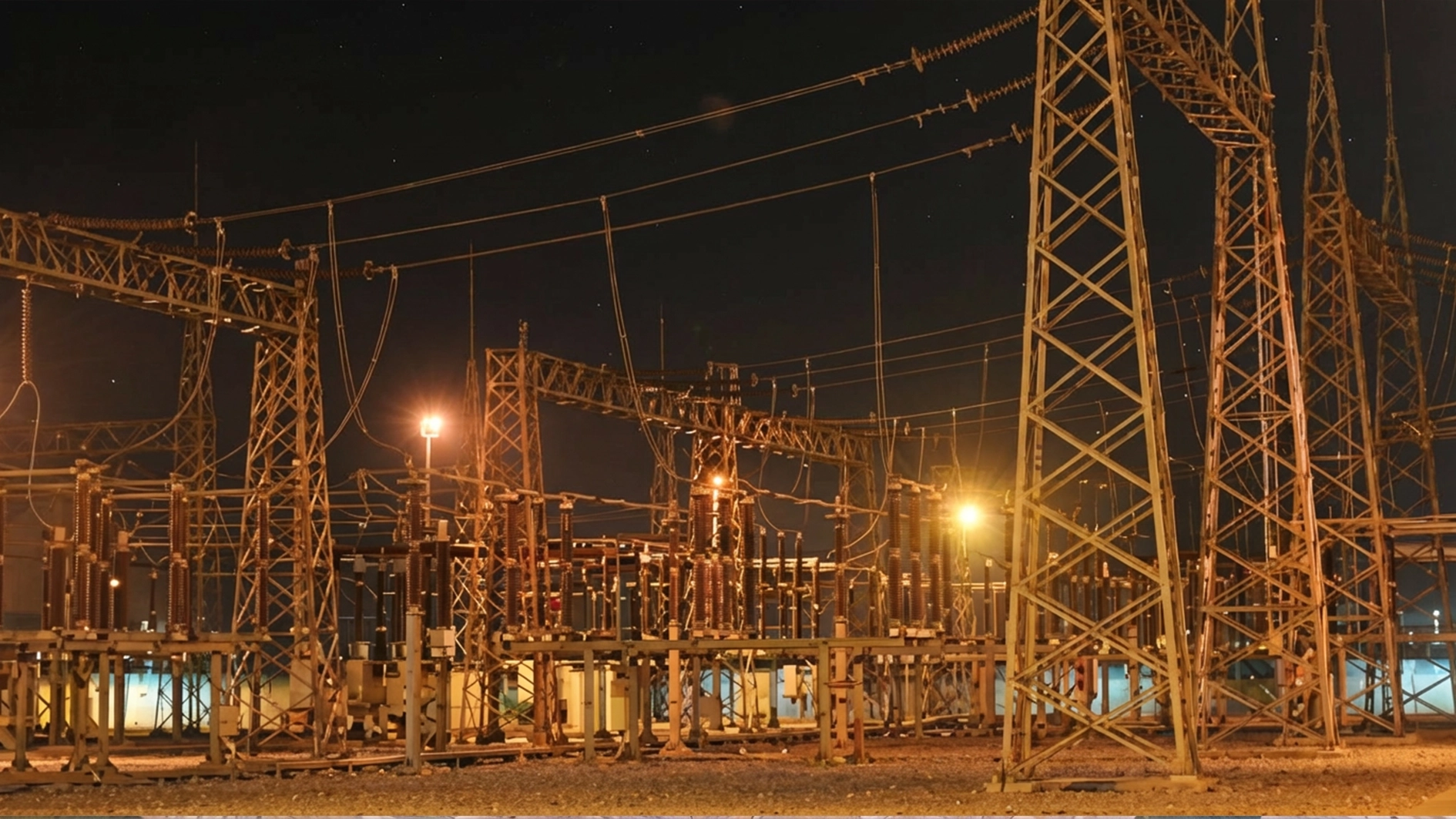
The Federal Government has commenced construction of a 17.7-megawatt interconnected solar mini-grid in Ibadan, Oyo State, in a DARES programme intervention designed to deliver at least 20 hours of electricity a day to five communities along the Iwo Road corridor.
The groundbreaking, conducted by the Rural Electrification Agency through the Federal Ministry of Power, covers the Bola, Jiboye, Ogo-Oluwa, Molade-Adelubi and Sooko-Elega community clusters across Akinyele, Ido, Ibadan North, Egbeda and Lagelu local government areas. Paras Energy & Natural Resources Development Limited is developing the project.
Power Minister Joseph Tegbe, who led the ceremony at Bishop Phillips Academy, ruled out an accompanying increase in electricity tariffs, saying the government is prioritising supply reliability over higher prices. IBEDC managing director Deolu Ijose put the target at an estimated 22,597 connections once the system is commissioned.
What is being built
The scheme combines a 17.7MWp solar photovoltaic generation system with 17.74MW of battery energy storage, interconnected with IBEDC's existing distribution network rather than operating as a standalone island. Eighteen new transformers will reinforce last-mile distribution in the beneficiary communities.
Interconnection matters commercially. Isolated mini-grids can serve a cluster but leave surplus capacity stranded; tying into the disco's grid allows excess generation to be absorbed and creates a framework for tariffs, metering and collection that standalone systems often struggle to sustain. IBEDC has prior experience through the Mokoloki mini-grid in Ogun and the Oke-Oyi project in Kwara, commissioned in September.
The 20-hour daily supply target is deliberately ambitious relative to what most Ibadan residents currently receive from the grid. Whether the project can hold that promise through the dry season, when solar output is strongest but demand also peaks, will be the operational test once commissioning is complete.
A wider Ibadan cluster
REA chief Abba Aliyu said the project is part of a growing pipeline of distributed renewable energy interventions under the Renewed Hope Agenda. The agency is advancing another 17.7MW of projects in Ibadan aimed at strategic institutions, including University College Hospital, the University of Ibadan and The Polytechnic, Ibadan.
Together, the two interventions are intended to build clusters of reliable generation around residential communities, public hospitals and economic centres rather than scatter capacity thinly across the map. Longer operating hours, lower dependence on petrol and diesel generators and cheaper power for productive users are the economic case.
The open questions are operational: who collects tariffs, how quickly unmetered customers are billed, and whether battery replacement costs in year seven and beyond are priced into the business model. Distributed solar has failed in Nigeria less on technology than on those commercial mechanics. If the Ibadan cluster clears them, it becomes a template; if it does not, it becomes another commissioned asset with an unsustainable O&M plan.
Up next
United Nigeria Airlines Launches N20bn Commercial Paper, a First for Local Carriers
United Nigeria Airlines is raising N20 billion through its inaugural commercial paper issuance, the first by a domestic Nigerian airline, under a N100 billion programme arranged by Meristem Capital.
More in Business
See all
DP World Backs $150 Million Dredging to Deepen Mozambique's Maputo Port
The Maputo Port Development Company and DP World launched a $150 million dredging project to deepen the Port of Maputo's access channel for larger vessels.

Ethiopia Opens $50 Million Gold Refinery in Domestic Processing Push
Ethiopia launched its first gold refinery, a US$50 million joint venture, as Prime Minister Abiy Ahmed seeks to process more of the country's minerals at home.
Zimbabwe Approves $650 Million Floating Solar Plant on Lake Kariba
Zimbabwe's Cabinet cleared a 600MW floating solar project on Lake Kariba for implementation, with GreenGrid Energy as developer and ZETDC as sole off-taker.
About the author
Emeka Okafor
Technology Reporter
Emeka Okafor writes for BusinessPress.
More by Emeka Okafor