Ethiopia Opens $50 Million Gold Refinery in Domestic Processing Push
Ethiopia launched its first gold refinery, a US$50 million joint venture, as Prime Minister Abiy Ahmed seeks to process more of the country's minerals at home.
Ethiopia has launched its first gold refinery, a US$50 million joint venture offering melting, testing, refining, casting and gold-bar production, as Prime Minister Abiy Ahmed pushes to process more of the country's minerals domestically rather than export them in raw form.
Abiy said the facility is intended to expand domestic processing and attract gold from neighbouring countries, according to Mining Weekly, which reported the launch. The refinery forms part of a broader, state-led effort to capture more value from Ethiopia's resource base.
Why refining at home matters
Minerals shipped as concentrate or doré leave most of the value-added, and the associated jobs and tax revenue, in the destination country. A domestic refinery lets Ethiopia certify and monetise gold closer to the mine, capture refining margins and build the technical capacity that supports a formal gold trade.
The move also has a monetary dimension. Higher gold exports, processed and certified onshore, strengthen official foreign-exchange receipts at a time when Ethiopia is managing subsidy and exchange-rate reforms that the IMF credits with improving macroeconomic stability.
A mineral economy in transition
Ethiopia has become a modest but growing gold producer, and higher global prices have made the sector more attractive. The refinery fits a pattern visible elsewhere in Africa, where governments from Nigeria to Zimbabwe are pressing miners to add value locally and reduce reliance on imported refined metal.
The context is an economy in flux. Annual inflation eased to 14.9% in September from 15.1% in August, the Ethiopian Statistical Service reported, though it remains above the government's single-digit target. The National Bank of Ethiopia raised its policy rate to 16% in July and has kept a tight stance. The IMF projects Ethiopia's economy to grow 9.2% this year, one of the fastest rates in the region.
Capital-market ambitions
The refinery launch comes as Ethiopia deepens its ties with Nigeria's Dangote Group, which is building a US$2.5 billion urea complex in Gode and plans to list 10% of that fertilizer business on the Ethiopian Securities Exchange. Ethiopia recently became eligible to participate in Dangote Petroleum Refinery's initial public offering, evidence of gradual integration between African capital markets.
The outlook
Whether the refinery delivers hinges on securing consistent feedstock from formal and artisanal producers and on creating incentives that keep gold in official channels rather than informal cross-border trade. If it succeeds, it could become a template for Ethiopia's wider minerals strategy as it seeks to convert resource wealth into industrial capability and foreign exchange.
Up next
Zimbabwe Approves $650 Million Floating Solar Plant on Lake Kariba
Zimbabwe's Cabinet cleared a 600MW floating solar project on Lake Kariba for implementation, with GreenGrid Energy as developer and ZETDC as sole off-taker.
More in Business
See all
DP World Backs $150 Million Dredging to Deepen Mozambique's Maputo Port
The Maputo Port Development Company and DP World launched a $150 million dredging project to deepen the Port of Maputo's access channel for larger vessels.
Niger Gives Chinese Oil Partners 45 Days to Repatriate $5.2 Billion in Export Revenue
Niger's military-led government told CNPC, WAPCO and SORAZ to return more than $5.2 billion in crude export revenue and meet local-content commitments within 45 days.
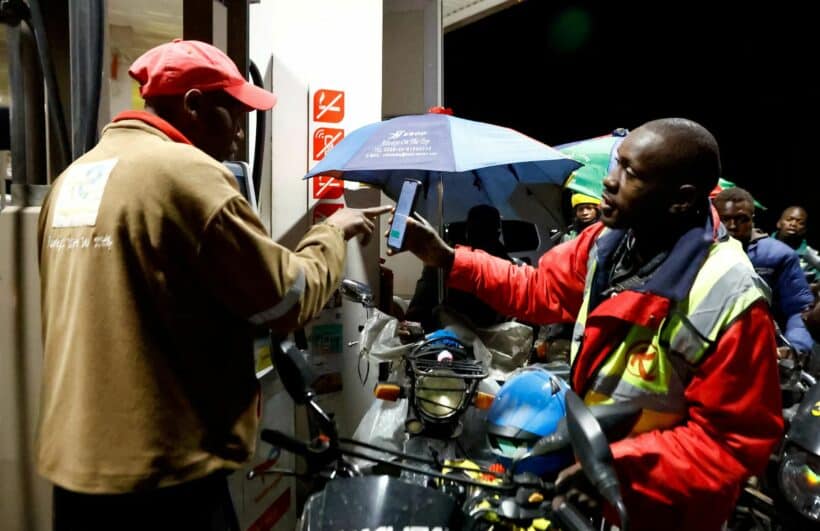
Kenya Raises Petrol 6% and Diesel 4.5% as Middle East Conflict Lifts Import Costs
Kenya's energy regulator raised pump prices for the October-November cycle after the landed cost of imported fuel jumped, even as the government extended a VAT cut.
About the author
Amaka Obi
Senior Business Reporter
Amaka Obi writes for BusinessPress.