Ecobank Cuts SuperSavers Rates as MPR Reset Reaches Nigerian Savers
Ecobank Nigeria has cut interest rates on its SuperSavers product effective October 16, with reductions of up to 3.18 percentage points across four deposit tiers after the CBN's MPR reset to 23%.

Ecobank Nigeria has reduced the interest rates it pays on its SuperSavers savings product, with the new rates taking effect on October 16, in the latest sign that the Central Bank of Nigeria's September rate reset is filtering through to depositors faster than to borrowers.
The adjustment covers four deposit tiers. Customers saving between N1 million and N19.99 million will earn 8.00% a year, down from 10.18%. Balances of N20 million to N99.99 million fall to 9.00% from 11.00%. The N100 million to N199.99 million bracket drops to 10.00% from 13.18%, while deposits of N200 million and above ease to 12.00% from 13.18%.
The bank linked the change to the Central Bank of Nigeria's review of the Monetary Policy Rate. The MPC reset the MPR to 23% from 26.5% at its September meeting, the largest single cut on record, and recalibrated the standing facilities corridor to +50/-300 basis points around the new rate. The September meeting was widely read as the start of an easing cycle after two years of tightening.
The arithmetic of the floor
Nigeria's minimum savings rate is pegged at 30% of the MPR. At 26.5%, that floor was 7.95% a year; at 23%, it is 6.90%. Ecobank had already moved its All Savings Account to 6.90% from 7.95% with effect from September 24, and cut its Save-As-You-Spend, MyFirst and Target Savings products from 8.95% to 7.90%.
Stanbic IBTC has said it will reprice every product contractually tied to the MPR downwards, while other lenders have been quieter. One senior official at a large bank said there were no immediate plans to lower loan rates, a split that defines the current transmission: savings repricing is mechanical, loan repricing is optional.
What savers are left with
With inflation around 15% and withholding tax of 10% deducted from interest, a 6.90% savings rate is deeply negative in real terms. On a N2 million balance at the old floor, annual interest falls from roughly N159,000 to N138,000 after the cut, before tax.
The practical response for savers is the same one banks expect: move balances that will not be touched into fixed deposits or higher-yielding instruments, and treat transactional savings as a cost of access rather than a return. Fixed deposits already running keep their agreed rates until maturity, but renewal offers are likely to be lower. Fixed deposits already running keep their agreed rates until maturity, but renewal offers are likely to be lower.
The next reset opportunity comes at the MPC meeting on November 23 and 24. For now, the cut has done more to lower what savers earn than what most borrowers pay, a pattern the CBN's new lending-rate disclosures will be tested against in the coming months.
Up next
Ghana Courts 10+ African Partners on Digital Payments Interoperability
Bank of Ghana governor Johnson Asiama says Ghana is in talks with more than 10 African countries on payments interoperability, building on pilots with Nigeria and Rwanda involving CBDCs, stablecoins and mobile wallets.
More in Finance
See all
United Nigeria Airlines Launches N20bn Commercial Paper, a First for Local Carriers
United Nigeria Airlines is raising N20 billion through its inaugural commercial paper issuance, the first by a domestic Nigerian airline, under a N100 billion programme arranged by Meristem Capital.
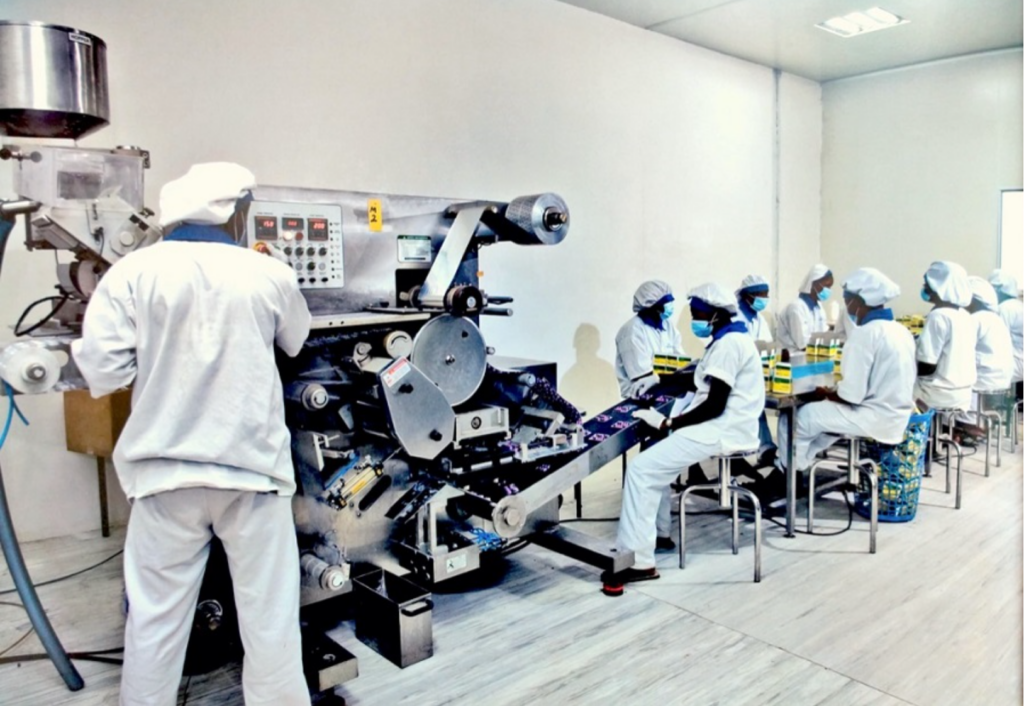
MeCure Industries Opens ₦14 Billion Commercial Paper Offer Priced at 21% Yield
MeCure Industries has opened a Series 8 commercial paper offer of up to ₦14 billion under its ₦40 billion programme, priced at a 21% gross implied yield as the drugmaker funds working capital ahead of expanding production investment.
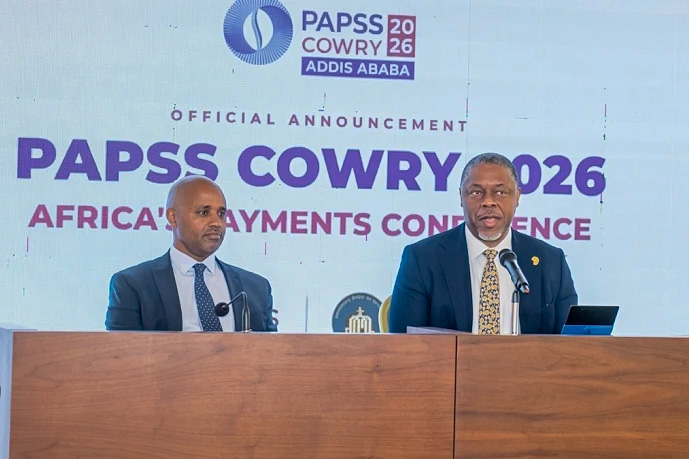
Ethiopia Joins Pan-African Payment System to Cut Cross-Border Transfer Costs
The National Bank of Ethiopia and PAPSS announced Ethiopia's entry into the continental payments network, enabling local banks to settle cross-border transactions in African currencies without routing through dollar or euro corridors.
About the author
Amina Suleiman
Finance Correspondent
Amina Suleiman writes for BusinessPress.