Zimbabwe Approves $650 Million Floating Solar Plant on Lake Kariba
Zimbabwe's Cabinet cleared a 600MW floating solar project on Lake Kariba for implementation, with GreenGrid Energy as developer and ZETDC as sole off-taker.
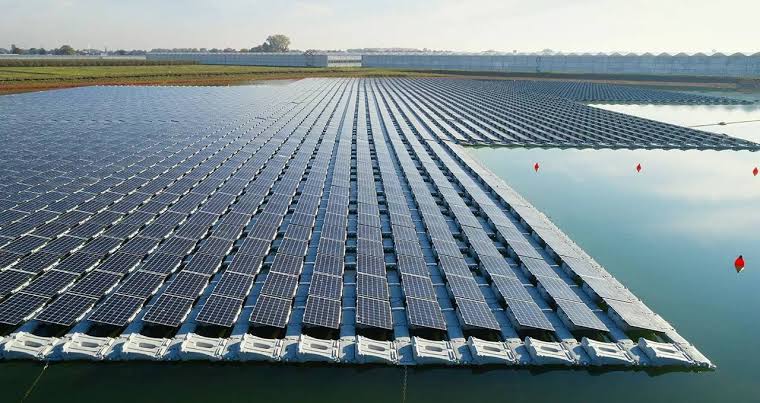
Zimbabwe's Cabinet has adopted an update that moves a US$650 million, 600-megawatt floating solar plant on Lake Kariba into its implementation phase, as the country tries to reduce its exposure to drought-driven hydropower shortages.
Information Minister Soda Zhemu told a post-Cabinet briefing that grid impact and technical assessments, land surveys, environmental approvals, regulatory licensing and commercial negotiations have all been concluded. The project is structured as a public-private partnership, with the Zimbabwe Electricity Transmission and Distribution Company as sole power off-taker and GreenGrid Energy, formerly Sunspire, as developer.
Project structure and scale
The plan is designed for 600MW built in three phases over five years, starting with 150MW. At peak capacity the facility is expected to supply electricity to roughly three million people and create about 1,000 direct jobs in Kariba. The power purchase agreement and transmission connection agreements were finalised in 2025, and technical and regulatory clearances wrapped up in July 2026, with detailed engineering designs under way.
The concept is unusual. Floating panels on the water generate by day and allow water that would otherwise pass through turbines to be conserved for night-time hydropower, complementing rather than replacing the Kariba hydro complex.
Why Zimbabwe is pursuing it
Drought has repeatedly lowered water levels at Kariba, cutting hydropower output and forcing Zimbabwe and Zambia to ration electricity and buy costly emergency imports. The floating solar plant is intended to stabilise grid output and strengthen the climate resilience of the Kariba power system.
The project traces its origin to a December 2023 directive by President Emmerson Mnangagwa instructing ministries to facilitate private investment in floating solar on the lake. Cabinet considered the update after Agriculture and Water Resources Minister Anxious Masuka, who chairs the ad hoc inter-ministerial committee, presented a progress report.
Execution risk and the wider signal
Zimbabwe's record on large power projects invites scrutiny. A solar project at Gwanda has remained idle more than a decade after its contract was signed, and questions have been raised about the role of politically connected figures in the Kariba scheme. The government's ability to translate completed paperwork into steel and panels will determine whether the project delivers.
Still, the approval adds to a regional push toward utility-scale renewables. If built, the plant would be among the largest floating solar installations in Africa and a test case for whether such projects can be financed and delivered in a market with chronic power deficits.
The outlook
Foundational engineering studies and resource mobilisation are in progress, and a ground-breaking ceremony has already taken place. Construction timelines and financing close will be the next milestones to watch, along with whether the project avoids the delays that have hobbled earlier Zimbabwean power schemes.
Up next
Niger Gives Chinese Oil Partners 45 Days to Repatriate $5.2 Billion in Export Revenue
Niger's military-led government told CNPC, WAPCO and SORAZ to return more than $5.2 billion in crude export revenue and meet local-content commitments within 45 days.
More in Business
See all
Power Minister Rules Out Electricity Tariff Increase, Targets 24-Hour Supply
Minister of Power Joseph Tegbe says there is no plan to raise electricity tariffs, insisting the focus is round-the-clock supply as the FG flags off 17.7MW of mini-grids in Oyo State.
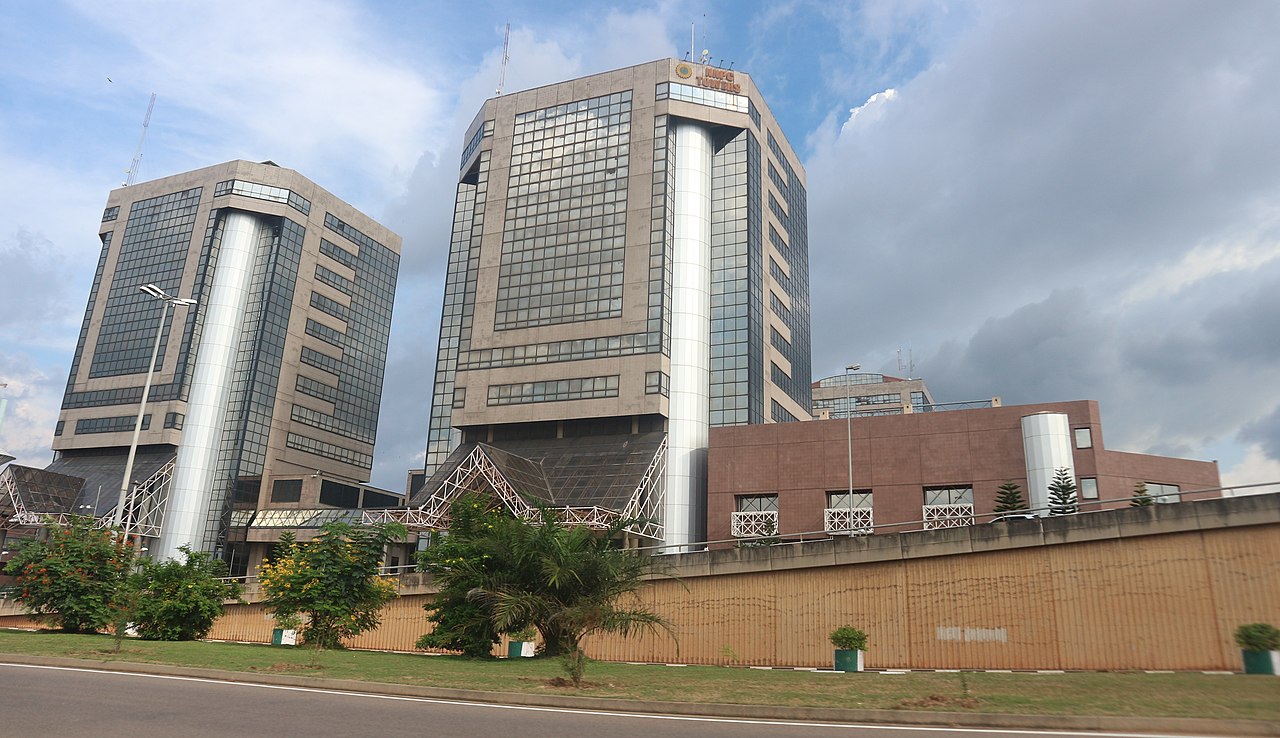
NNPC says October petrol discount does not restore subsidy
The state oil company's retail arm is giving up its margin for 30 days, offering temporary relief without imposing a nationwide pump price.

NNPC Confirms Gas Pipeline Explosion in Rivers Community
NNPC Limited confirmed an explosion on a gas pipeline at Aleto in Eleme, Rivers State, isolating the affected segment as it assesses casualties and damage.
About the author
Amaka Obi
Senior Business Reporter
Amaka Obi writes for BusinessPress.
More by Amaka Obi