Kigali Carbon Summit Pushes Africa From Market Potential to Delivery
At Carbon Markets Africa Summit 2026 in Kigali, policymakers and financiers from 45 countries called for high-integrity, investable carbon projects as Africa shifts from readiness rhetoric to issuance and offtake.
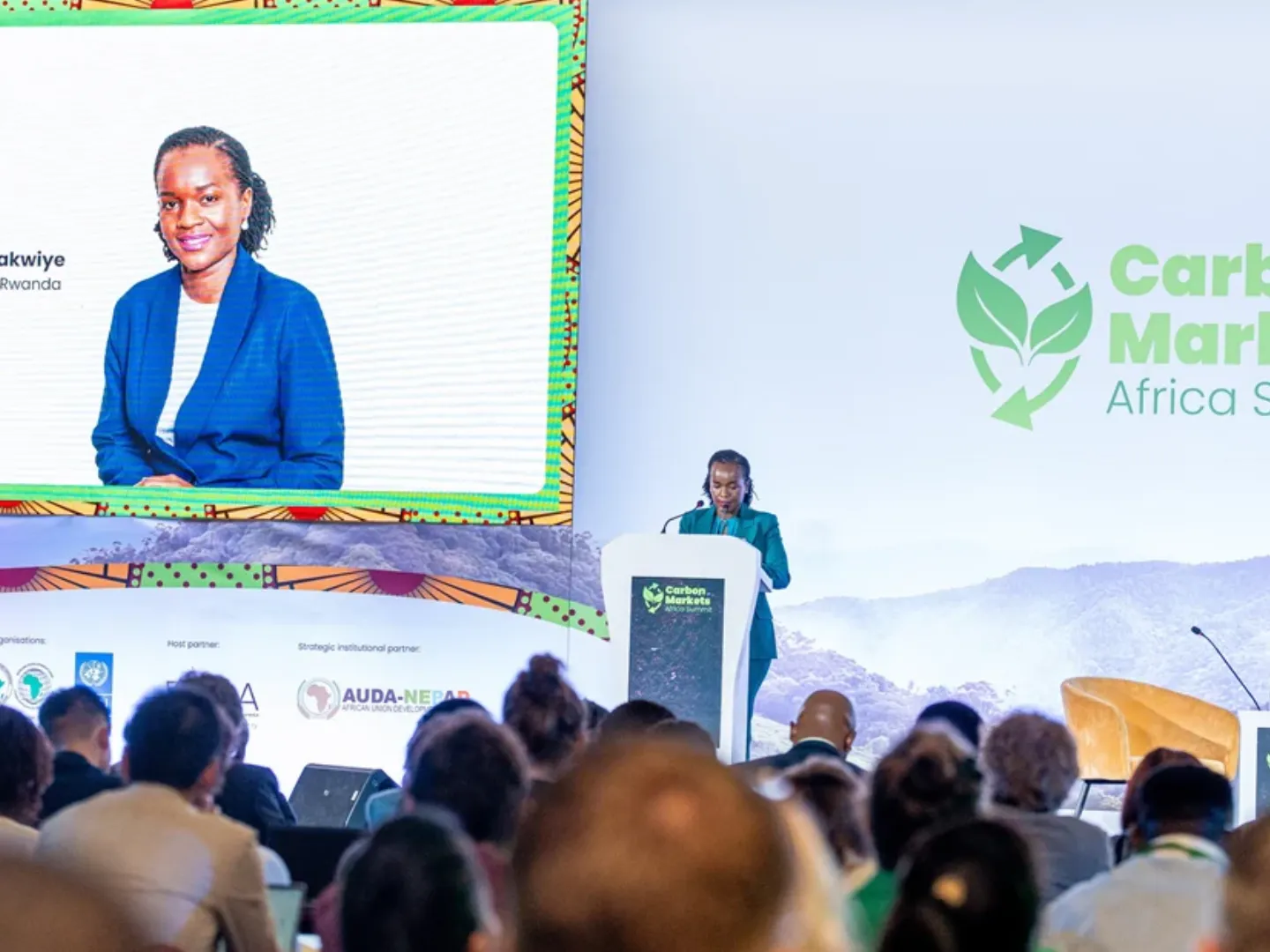
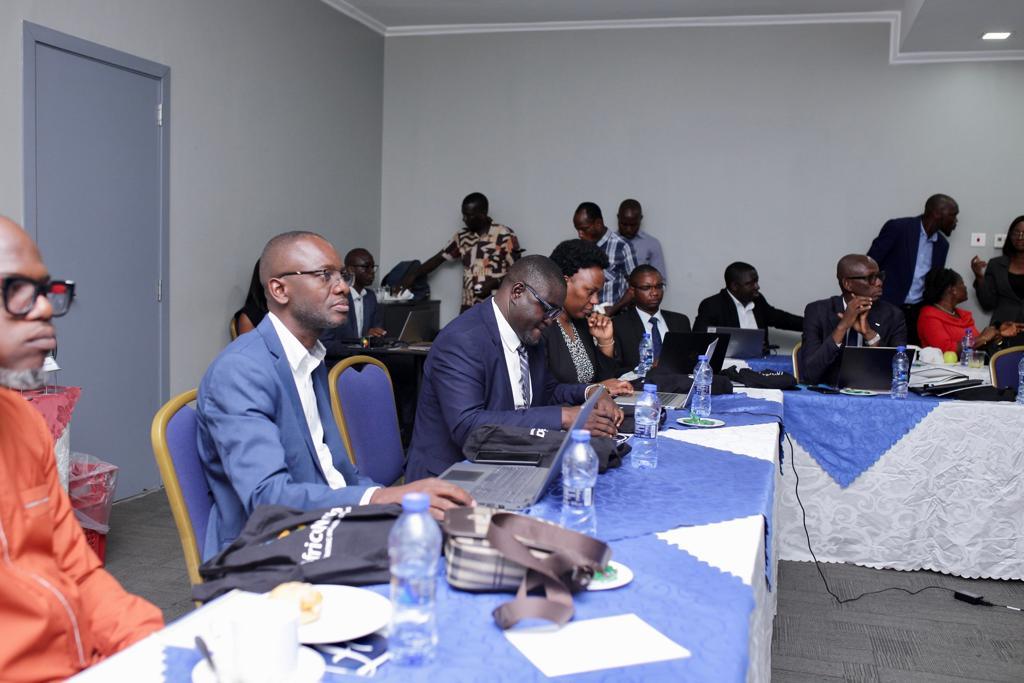
Africa's carbon market conversation has shifted decisively from readiness to delivery, with policymakers, investors and project developers gathering in Kigali for Carbon Markets Africa Summit 2026 to focus on issuance, offtake and high-integrity pipelines rather than the sheer size of future potential.
Representatives from 45 countries, including 21 African nations, are attending the summit. Rwanda's environment minister Bernadette Arakwiye said progress is visible as countries establish frameworks, grant authorisations, sign bilateral agreements and develop projects, but warned that carbon finance remains concentrated in a narrow range of project types. The summit agenda is built around moving from authorisation to first revenue. Several countries have signed bilateral Article 6 agreements but few have completed a first corresponding adjustment, the step that lets a buyer count the reduction against its own targets. That gap, more than the size of the resource, is what the summit sessions are designed to address.
She called for diversification into renewable energy, electric mobility, sustainable waste management, industrial decarbonisation, agriculture and landscape-scale nature-based solutions, arguing that African priorities must shape the continent's carbon markets and that tangible benefits must reach communities.
From pipeline to capital
Tanzania's Hamad Yusuf Masauni echoed the delivery theme, stressing the need to move high-quality, bankable projects through to issuance and offtake rather than counting pipelines. Development finance institutions then took the floor on the practical barriers keeping capital from projects.
Greg Fyfe, chief investment officer of the Development Bank of Southern Africa, highlighted the catalytic role DFIs can play in project preparation, patient capital and risk-sharing that private investors will not absorb alone. The Kigali International Financial Centre and African Development Bank framed the same problem: policy certainty, early-stage preparation, governance and appropriate risk allocation determine whether deals close.
Why integrity is the product
Global buyers have spent two years discounting low-quality credits. For African sellers, that means the scarce resource is no longer project ideas but credible measurement, community consent and offtake contracts that survive scrutiny. Diversification matters only if the new project types meet the same integrity bar.
Summit discussions also touched on how more value can remain in African countries and communities rather than leaking to intermediaries in larger markets. Local content requirements and benefit-sharing rules are being written into bilateral frameworks for the first time in several jurisdictions, a shift from the voluntary standard contracts that governed the last decade of deals. That argument, if it shapes contract terms, would matter as much as any new methodology.
The summit's real metric will not be the communiqué but the number of signed offtakes and first issuances that follow. Africa has the solar, waste, forest and mobility projects; the question Kigali is trying to answer is which financial architecture converts them into revenue without repeating the credibility failures of the last cycle.
Up next
Nigeria Loses $2 Billion Yearly as Cocoa Processing Capacity Sits Idle
Nigeria uses only about 30% of its installed cocoa processing capacity, losing an estimated $2 billion a year in potential value addition, the Agriculture Ministry disclosed at a Lagos cocoa conference.
More in Business
See all
DP World Backs $150 Million Dredging to Deepen Mozambique's Maputo Port
The Maputo Port Development Company and DP World launched a $150 million dredging project to deepen the Port of Maputo's access channel for larger vessels.

Ethiopia Opens $50 Million Gold Refinery in Domestic Processing Push
Ethiopia launched its first gold refinery, a US$50 million joint venture, as Prime Minister Abiy Ahmed seeks to process more of the country's minerals at home.
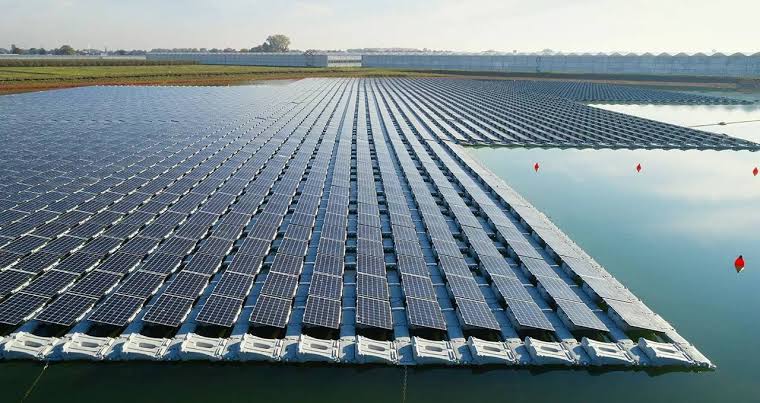
Zimbabwe Approves $650 Million Floating Solar Plant on Lake Kariba
Zimbabwe's Cabinet cleared a 600MW floating solar project on Lake Kariba for implementation, with GreenGrid Energy as developer and ZETDC as sole off-taker.
About the author
Abena Ofori
Agribusiness Correspondent
Abena Ofori writes for BusinessPress.
More by Abena Ofori