United Nigeria Airlines Launches N20bn Commercial Paper, a First for Local Carriers
United Nigeria Airlines is raising N20 billion through its inaugural commercial paper issuance, the first by a domestic Nigerian airline, under a N100 billion programme arranged by Meristem Capital.
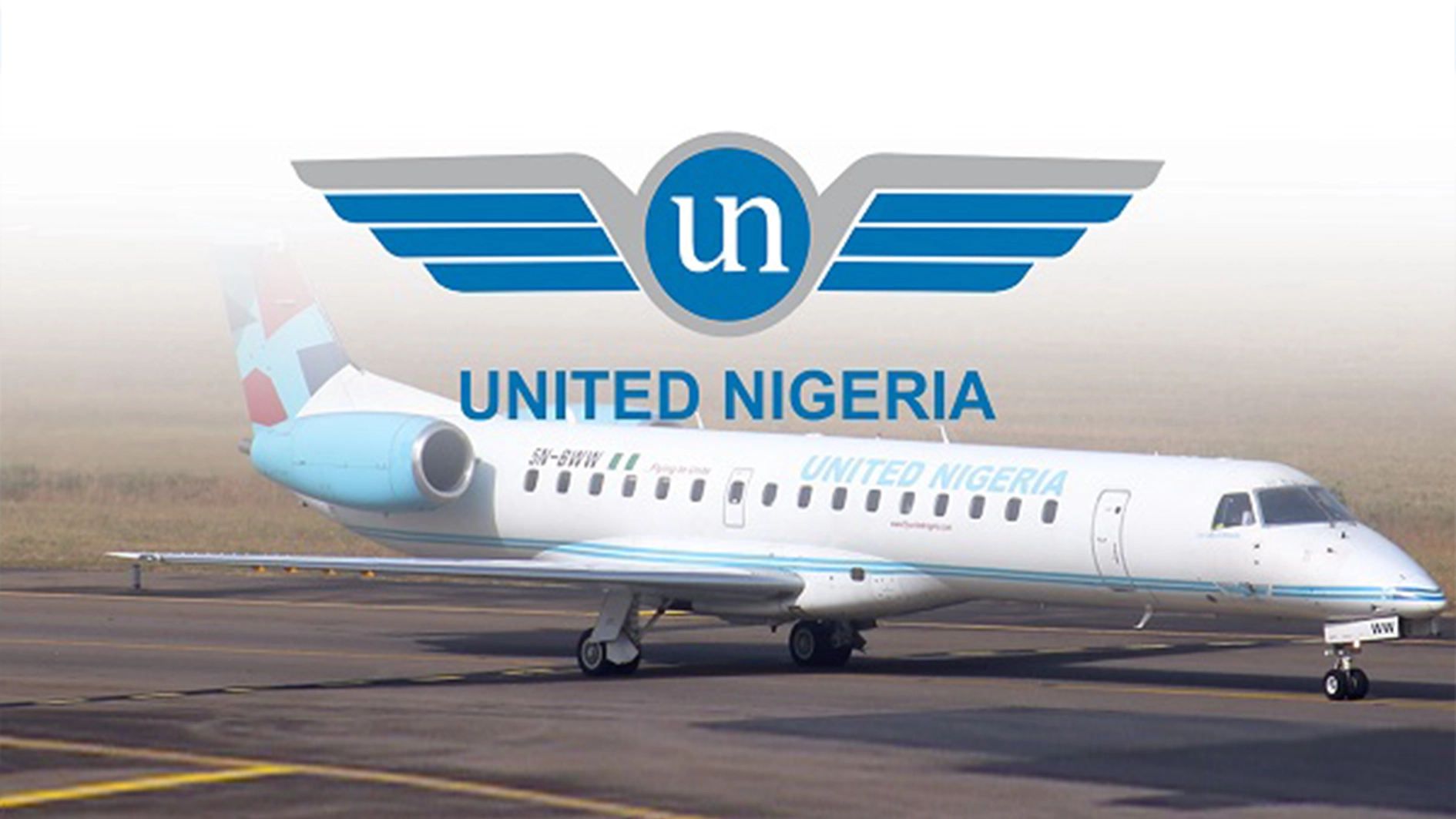
United Nigeria Airlines has begun raising N20 billion through commercial paper, becoming the first domestic airline in Nigeria to access the short-term naira debt market as it seeks cheaper funding for fleet and network expansion.
The initial tranche is the first issuance under a N100 billion commercial paper programme approved for the carrier. Series 1 and Series 2 carry tenors of 270 days and 364 days respectively, according to the airline's September 2026 investor presentation. Meristem Capital Limited is lead arranger, with Cordros Advisory, Coronation Merchant Bank, FCMB Capital Markets, FSL Advisory and Quantum Zenith acting as dealers. The syndicate spans merchant banks and advisory houses familiar with naira paper, which matters for placement into insurance and pension wallets. Agusto & Co. assigned an A3 short-term rating with a stable outlook, while DataPro assigned A1, both signalling that the programme is considered investment grade for naira investors.
Two rating agencies have assigned grades to the programme. Agusto & Co. gave United Nigeria an A3 short-term and BBB- long-term rating with a stable outlook, while DataPro assigned A1 short-term and BBB long-term ratings.
Why an airline is borrowing short
Nigerian carriers have historically funded working capital, lease payments and fuel through internally generated cash, bank facilities and dollar-denominated operating leases. A domestic commercial paper programme is a different instrument: naira-denominated, shorter than a term loan, and priced off money-market yields that, at roughly 18%, remain high even after the central bank's 350 basis point rate cut.
For the airline, the appeal is matching naira revenue with naira liabilities and avoiding the exchange-rate mismatch that dollar leases create when the naira moves. For the market, it is a test of whether credit investors will underwrite aviation risk outside the handful of names that dominate naira debt.
Expansion plans behind the raise
United Nigeria says the proceeds will support operations across domestic, regional and international markets. The airline is among the more established of the newer domestic operators, and a successful series would open a template for peers facing the same working-capital squeeze from fuel costs and airport charges.
Aviation operating costs in Nigeria remain elevated: jet fuel, maintenance and airport charges are mostly dollar-linked or administratively set, while fares respond slowly to cost shocks. That mismatch is why airlines have leaned on short-term facilities rather than long-dated debt, and why a 270-day paper can make sense as bridge finance even at double-digit yields.
The N100 billion programme leaves room for follow-on series if demand holds. The real test will come at renewal: commercial paper is rolled, not held to maturity, and the 2027 election cycle could tighten naira liquidity just as the airline needs to refinance.
If United Nigeria clears the full programme, the precedent will matter more than the amount. Aviation remains one of the few large Nigerian industries still almost absent from the domestic capital markets.
Up next
NGX Says Dangote Refinery IPO Has Sparked New Listing Talks in Lagos
Nigerian Exchange Group chief Temi Popoola says the Dangote Refinery IPO has revived private listing talks spanning energy, technology and state-owned companies, with decisions expected from 2027.
More in Finance
See all
Uganda Hikes Key Rate 225 Basis Points to 12% in Emergency Shilling Defence
The Bank of Uganda raised its central bank rate by 225 basis points to 12% at an emergency meeting, citing oil prices, shilling depreciation and offshore selling of government bonds.
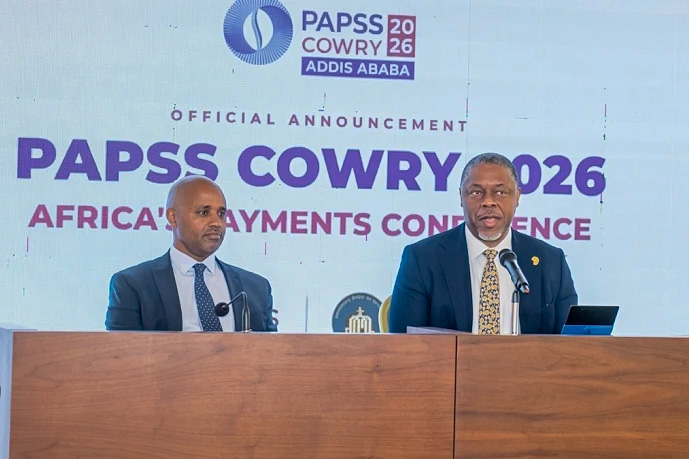
Ethiopia Joins Pan-African Payment System to Cut Cross-Border Transfer Costs
The National Bank of Ethiopia and PAPSS announced Ethiopia's entry into the continental payments network, enabling local banks to settle cross-border transactions in African currencies without routing through dollar or euro corridors.
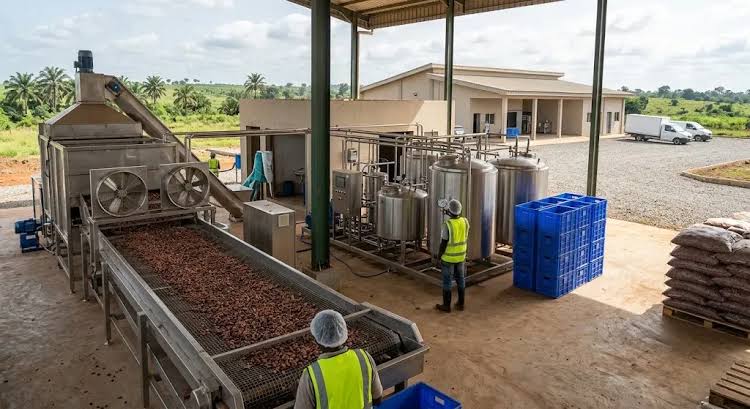
EIB Global and FCMB Launch €85 Million Facility for Nigeria's Cocoa and Dairy Chains
EIB Global and First City Monument Bank unveiled an €85 million facility for Nigerian agricultural value chains, with at least 70% earmarked for cocoa and dairy.
About the author
Musa Abdullahi
Finance Correspondent
Musa Abdullahi writes for BusinessPress.