Ghana Courts 10+ African Partners on Digital Payments Interoperability
Bank of Ghana governor Johnson Asiama says Ghana is in talks with more than 10 African countries on payments interoperability, building on pilots with Nigeria and Rwanda involving CBDCs, stablecoins and mobile wallets.
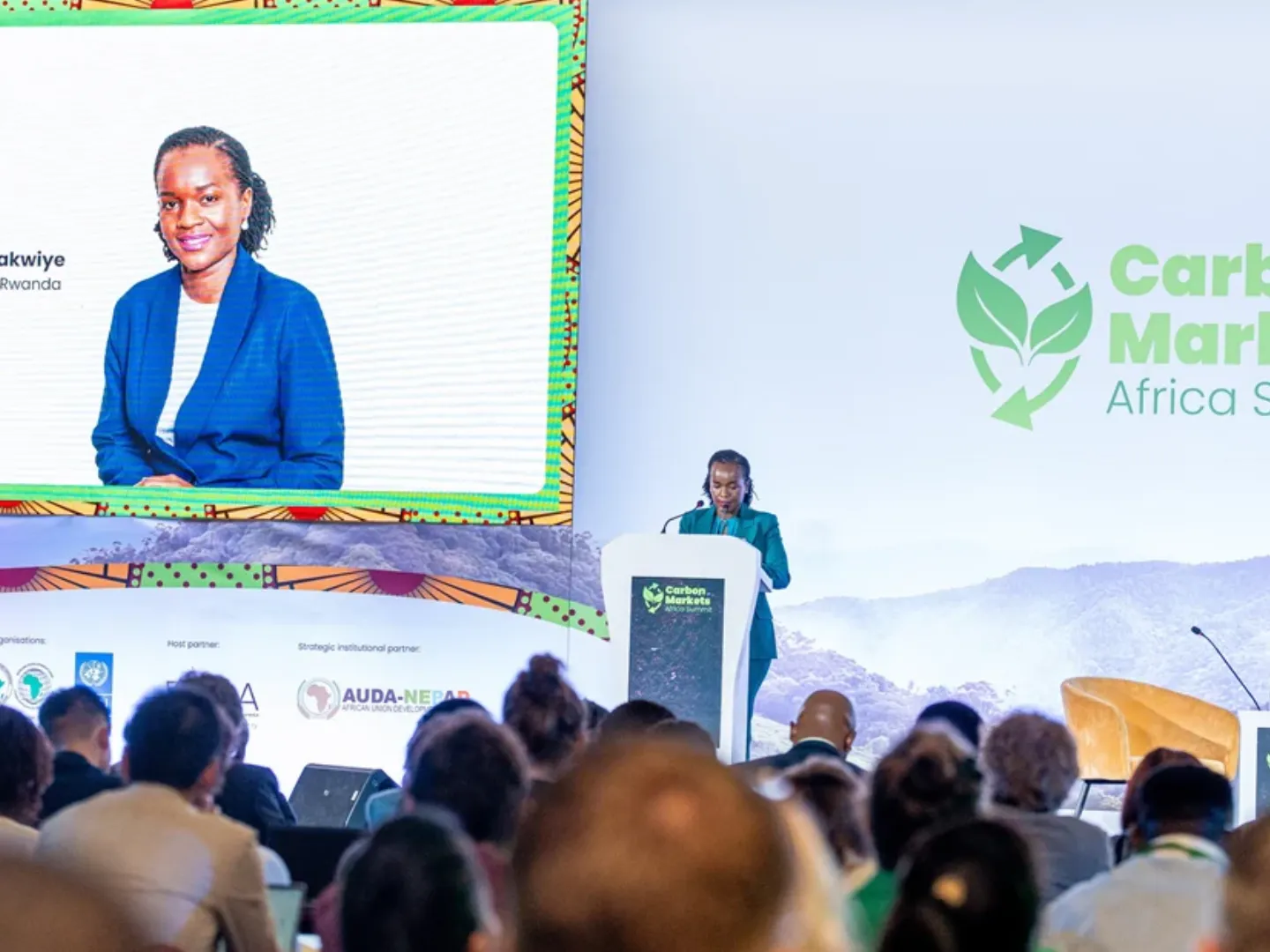
Ghana is in talks with more than 10 African countries about connecting digital payment systems, building on cross-border interoperability pilots already run with Nigeria and Rwanda, according to Bank of Ghana governor Johnson Pandit Asiama.
Speaking at a joint event on digital innovations in payments during the IMF and World Bank Annual Meetings in Bangkok, Mr Asiama said the pilots with Nigeria and Rwanda tested interoperability among central bank digital currencies, stablecoins, bank accounts and mobile wallets, with the Pan-African Payment and Settlement System extended to mobile wallets along the Ghana-Nigeria corridor. The pilots were designed to test technical compatibility rather than high-volume settlement. Transaction values remain modest, but the exercise established the message formats and reconciliation rules that a commercial corridor would need. Both pilots ran under existing licensing frameworks rather than a shared supervisory regime, which is the gap the next phase has to close.
He said it was time to move those pilots into live services, framing interoperability not only as bank-to-bank settlement but as compatibility between different forms of digital money and payment channels.
Why Ghana is pushing
Ghana is positioning itself as a regional hub for payments interoperability and regulatory passporting, the recognition of licensed payment providers across jurisdictions. The digital identity layer is already in place: the Ghana Card has been issued to more than 20 million people and is widely used for verification across public and private services.
That combination of digital ID and open payments is the architecture AfCFTA trade advocates have long argued for. PAPSS, the African Export-Import Bank's cross-border settlement infrastructure, provides the rails; the question Ghana is now testing is how far those rails can extend beyond conventional bank accounts into wallets and digital currencies.
The live-service hurdle
Pilots prove technical feasibility. Live services require shared supervisory rules, consumer protection standards, anti-money-laundering expectations and commercial arrangements between operators in different jurisdictions. Regulatory passporting, if it follows, would be the more consequential step, letting a licensed Ghanaian provider serve customers in a partner market without a local licence.
Other regions are moving in parallel. The Bank of Central African States is developing interoperable payments for the CEMAC zone, while Ethiopia's recent PAPSS membership extends the West African corridor's reach eastward. Competition among interoperability blocs could fragment the very network effects the projects are meant to create.
For businesses, the prize is simpler settlement of cross-border invoices and fewer correspondent banking delays. For regulators, the risk is supervisory arbitrage and fraud moving faster than rulebooks. Ghana's test over the next year will be whether any of the ten-plus engagements converts from memorandum language into a live corridor with real transaction volume.
Up next
NGX Ends Week 0.33% Lower as Banking Losses Offset Oil and Gas Gains
Nigerian equities fell 0.33% for the week to 247,539.73 points as the banking index shed 3.15%, while oil and gas stocks rose 3.13% and market breadth stayed positive.
More in Technology
See all
Mainstack CEO Says Nigeria Must Measure Startups by Revenue, Not Raise Rounds
Mainstack chief Ayobami Oyaleke is urging Nigeria's startup ecosystem to judge success by revenue, retention and risk management rather than funding volumes, warning against over-reliance on debt.
Onafriq Winds Down Baxi Agent Banking in Nigeria After Five Years
Onafriq is closing Baxi, the agent banking business it acquired in 2021, citing inflation, naira depreciation and the rise of instant account-to-account payments, while insisting it is not exiting Nigeria.
LincRide Launches WhatsApp Ride-Hailing in Lagos With 3,000 Drivers
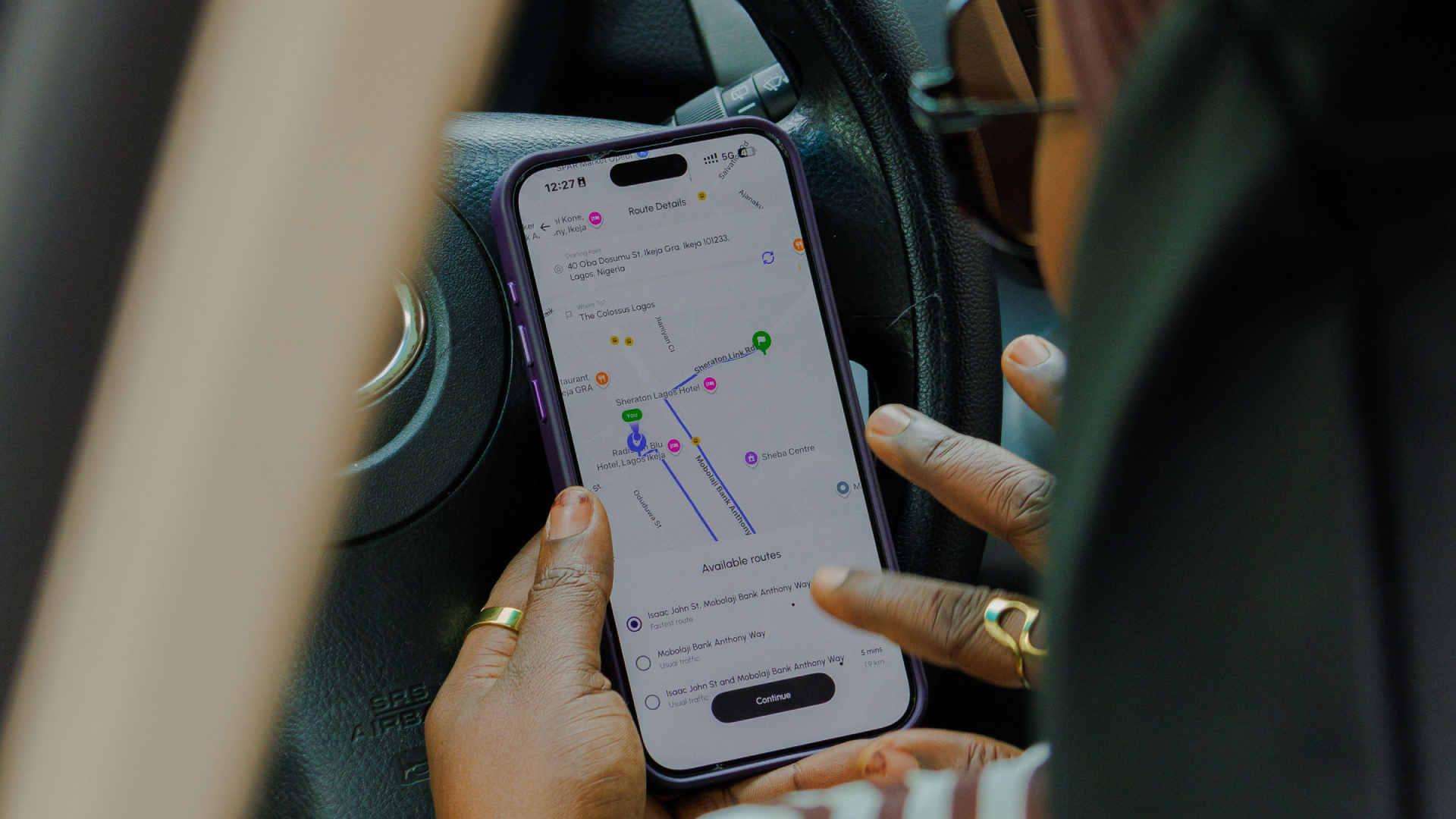
Nigerian mobility company LincRide launched an on-demand ride-hailing service in Lagos bookable entirely through WhatsApp, with more than 3,000 verified drivers.
About the author
Tunde Balogun
Economics Correspondent
Tunde Balogun writes for BusinessPress.