World Bank Plans Fivefold Rise in Metals and Minerals Support to $19 Billion
The World Bank Group plans to increase its metals and minerals support fivefold to $19 billion over FY26-FY30, with eight countries signing partnership compacts.
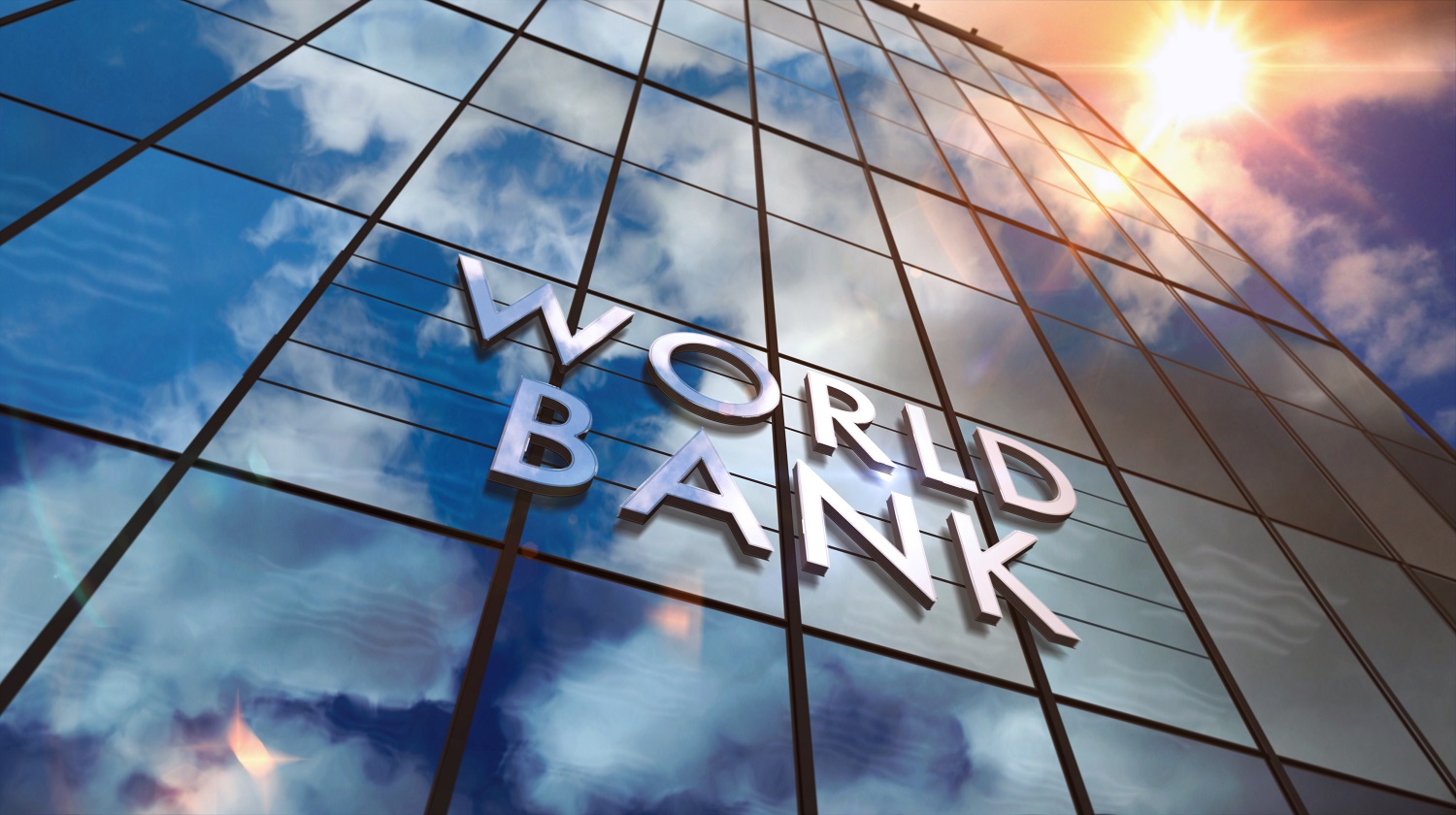
The World Bank Group plans to increase its support for metals and minerals fivefold to $19 billion between its 2026 and 2030 financial years, combining its own financing with private capital mobilisation as demand for energy-transition materials rises.
At the same time, eight governments announced country partnerships and compacts to advance responsible metals and minerals development, create jobs and strengthen local economies. The countries are Argentina, Bolivia, Egypt, India, Kazakhstan, Malawi, Mauritania and Zambia, which set out priorities, commitments and measurable targets to guide reforms.
How the financing is structured
The plan deploys the bank group's three main instruments. The World Bank provides policy advice and public financing, the International Finance Corporation invests and mobilises private capital, and the Multilateral Investment Guarantee Agency provides guarantees to manage risk.
Together, the tools are intended to help countries implement reforms, strengthen infrastructure and skills, develop local supply chains and attract responsible investment. The emphasis on local processing and supply chains addresses a long-standing complaint that mineral-rich countries export raw material while capturing little of the downstream value.
Why critical minerals are in focus
Demand for copper, lithium, cobalt, nickel and other materials is climbing as the world electrifies transport and expands renewable power. Producer countries see an opening to move up the value chain, but they face constraints: inadequate power and transport infrastructure, limited processing capacity, skills shortages and governance risks that deter private capital.
The compacts are designed to make reform commitments concrete and measurable, giving investors and lenders a clearer signal about the direction of policy. For African participants such as Zambia, Malawi and Mauritania, the stakes are high, since mining is a core source of exports and fiscal revenue.
What it means for Africa
Zambia is pursuing an ambitious target to raise copper output, and the World Bank framework could support the power, logistics and processing investments such a plan requires. Malawi and Mauritania are at earlier stages, where the priority is often building the institutional and technical foundations to manage resources responsibly.
The parallel focus on responsible development reflects lessons from past commodity cycles, when rapid extraction delivered uneven benefits and left environmental liabilities. The bank's framing links mining to jobs, local supply chains and communities, rather than output alone.
The outlook
The $19 billion is a commitment envelope, not a guarantee of disbursement, and its impact will depend on how quickly projects are prepared and how much private capital is actually mobilised. For now, the direction is clear: the world's development finance institutions are treating minerals as a strategic sector, and competition among producer countries for investment and processing capacity is intensifying.
Up next
Wall Street Logs Worst Week Since June as AI Selloff Deepens and Oil Jumps
A broad selloff in technology shares dragged the Nasdaq to its worst week since late June, while Brent crude surged on Middle East supply risks.
More in Economy
See all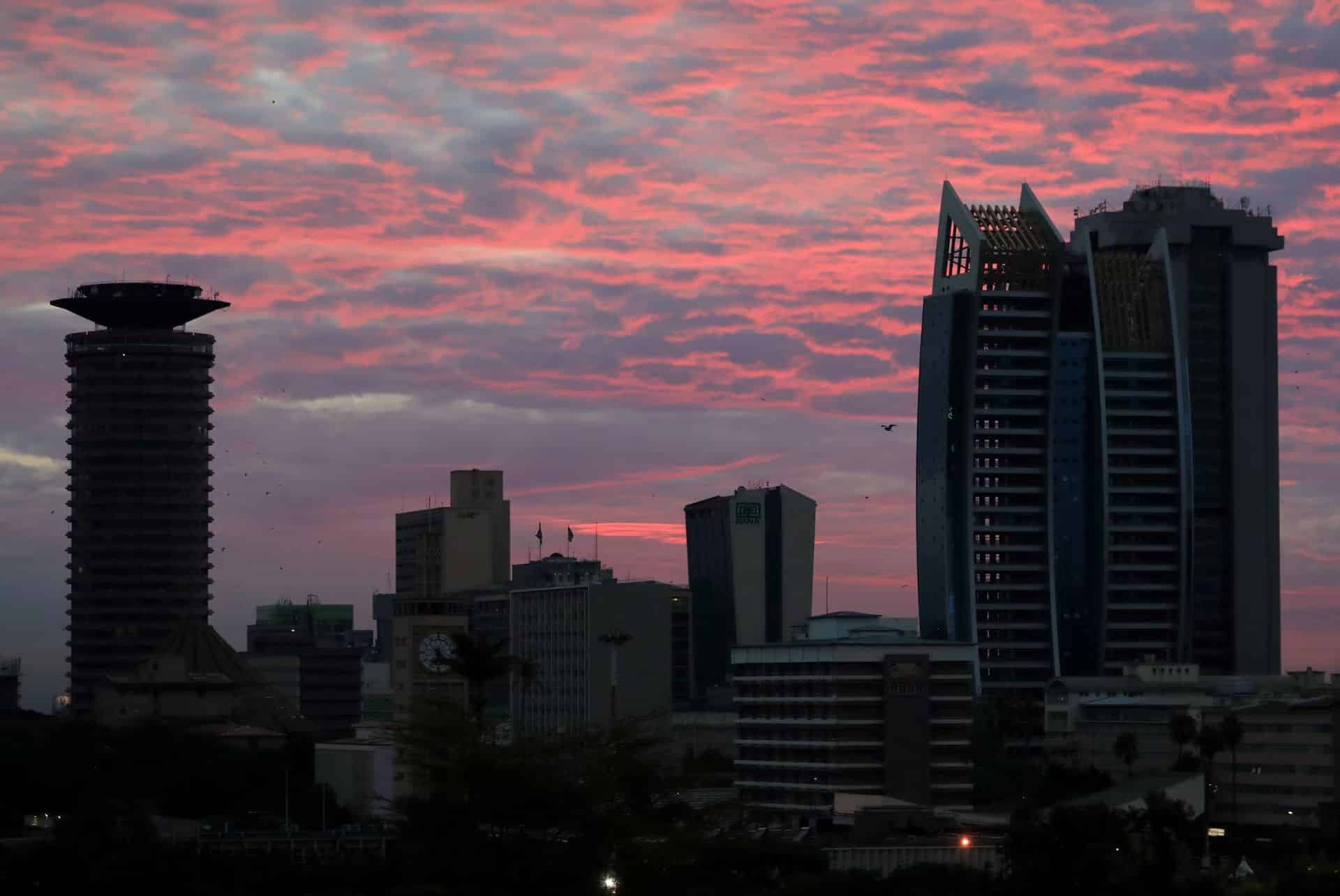
Kenya's Economy Grows 5.1% in Q2 2026 as Transport and Services Power Output
Kenya's economy expanded 5.1% year on year in the second quarter of 2026, up from 4.9% a year earlier, led by transport, storage and service sectors.
Nigeria Seeks $78.5 Billion for 65 Projects Targeting Over 360,000 Jobs
Nigeria has unveiled a portfolio of 65 investment projects requiring a combined $78.5 billion, presented to global investors at the IMF-World Bank annual meetings in Bangkok, with energy and transport accounting for most of the capital sought.
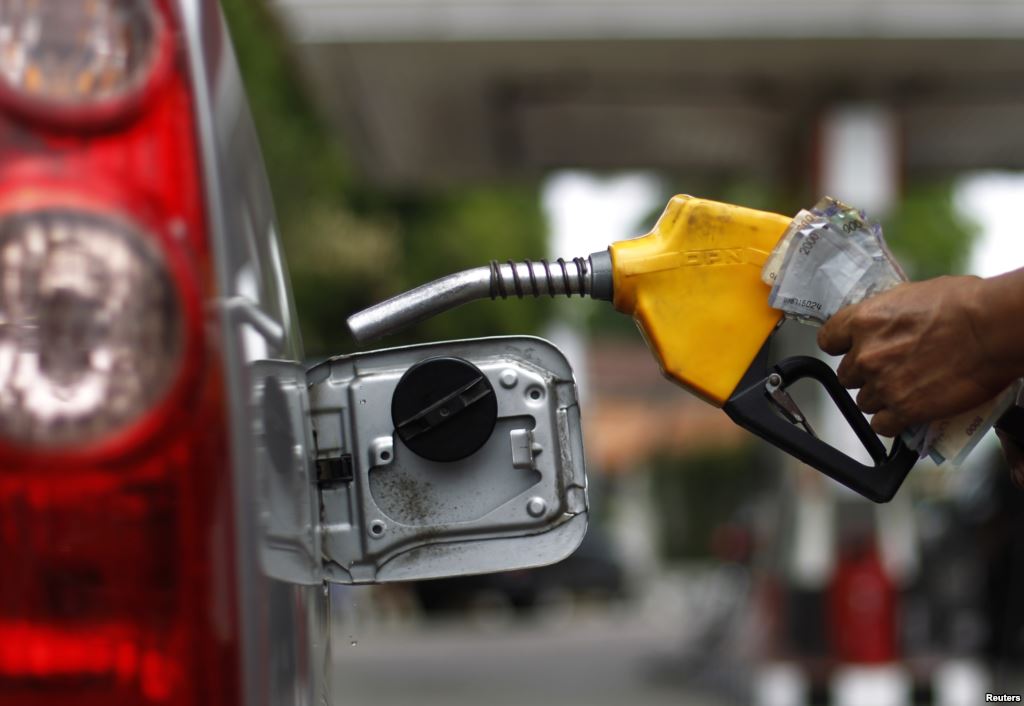
IMF Urges Nigeria to Raise Non-Oil Revenue and Warns Against Blanket Petrol Subsidy
At its annual meetings, the International Monetary Fund urged Nigeria to broaden its revenue base beyond oil and redirect subsidy savings to vulnerable households, warning that blanket energy subsidies are expensive, regressive and unsustainable.
About the author
Tunde Balogun
Economics Correspondent
Tunde Balogun writes for BusinessPress.
More by Tunde Balogun