Nigeria Seeks $78.5 Billion for 65 Projects Targeting Over 360,000 Jobs
Nigeria has unveiled a portfolio of 65 investment projects requiring a combined $78.5 billion, presented to global investors at the IMF-World Bank annual meetings in Bangkok, with energy and transport accounting for most of the capital sought.
Nigeria has unveiled a portfolio of 65 investment projects requiring a combined $78.5 billion in capital, presenting the pipeline to domestic and foreign investors during the 2026 annual meetings of the World Bank and International Monetary Fund in Bangkok.
The projects, drawn from the Federal Ministry of Finance's Projects Nigeria investment portal, span oil and gas, power, transport and maritime, manufacturing, mining, agriculture, technology, healthcare and urban services. The government estimates the portfolio could generate about 366,763 jobs if implemented.
Where the money is meant to go
Energy and transport dominate the pipeline. Oil, gas and power account for 25 projects requiring an estimated $36.4 billion, while transport and maritime infrastructure account for eight projects needing $25 billion. Together, those two categories represent $61.4 billion, or about 78% of the total capital requirement.
Industry, manufacturing and mining account for 17 projects requiring $6.6 billion. Agriculture and agro-processing make up six projects requiring $9.8 billion, and technology, healthcare and urban services account for the remaining nine projects with a combined funding requirement of $700 million.
The marquee projects
Among the specific opportunities is Project Reliaxx, a crude oil evacuation and midstream infrastructure platform requiring $1.7 billion, and the Lagos Greenline Railway, with a capital requirement of $1.29 billion. Others include the Multipurpose Industrial Platforms ammonia and phosphate fertiliser project at $2.69 billion, the Integrainium Giri agro-processing and cold-chain export hub at $105 million, the PELIA Flare-Gas AI Data Centre at $355.6 million, the Premium Steel and Mines integrated steel upgrade at about $1.25 billion, and the proposed New Port City development at $1.6 billion.
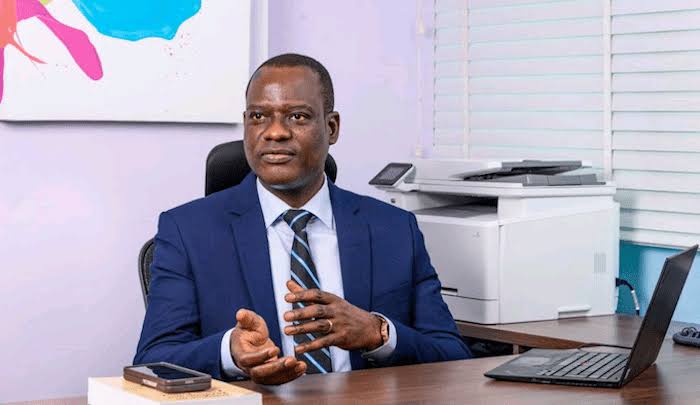
The pitch was led by Finance Minister and Coordinating Minister of the Economy Taiwo Oyedele and Central Bank Governor Olayemi Cardoso, who pointed to improving macroeconomic indicators, including foreign reserves of $54.6 billion and economic growth of 4.2% in the first half of 2026.
From pipeline to bankable deals
Unveiling a project list is the easy part. The harder work is converting those opportunities into financed, contracted and operating assets, which requires bankable structures, credible sponsors, clear risk allocation and reliable regulatory frameworks. Nigeria has announced large infrastructure pipelines before, and the rate at which projects move from a portal listing to financial close is the true measure of success.
The government is also leaning on development finance. The World Bank Group has said it is helping mobilise up to $5.79 billion in private financing for Nigeria in fiscal year 2026, with programmes expected to support about 850,000 direct and indirect jobs, complementing the Project Nigeria pipeline.
What to watch
Watch which of the 65 projects reach financial close and how quickly. The energy and transport projects, which account for the bulk of the capital sought, will be the key test. Their progress will show whether Nigeria can attract private capital at the scale its infrastructure deficit requires, or whether the pipeline remains a presentation rather than a programme.
Up next
Nigeria's 11,000 Rural Telecom Sites Burn 40 Million Litres of Diesel Monthly
The Rural Electrification Agency estimates that more than 11,000 rural telecom base stations consume over 40 million litres of diesel every month, highlighting the cost of powering network infrastructure in underserved communities.
More in Economy
See all
IMF Urges Nigeria to Raise Spending Quality and Revenue as Growth Forecast Brightens
The IMF says Nigeria's improving growth outlook is not easing poverty fast enough, pressing for better-targeted spending and a broader revenue base.
Nigeria Unveils $7.1 Billion Sugar Master Plan to Cut Imports and Create 110,000 Jobs
The National Sugar Development Council has unveiled a $7.1 billion, ten-year investment plan to lift annual sugar production above two million tonnes and cut reliance on imports.

Nigeria's Foreign Direct Investment Plunges 92% to $11 Million in September
Nigeria's foreign direct investment fell 92% month-on-month to $11 million in September, highlighting the gap between hot portfolio money and long-term capital commitments.
About the author
Tunde Balogun
Economics Correspondent
Tunde Balogun writes for BusinessPress.