Dollar Set for First Weekly Drop in Five Weeks as AI Jitters Cut Yields6th
The dollar index held near 102.07 and headed for its first weekly decline since mid-September as the 10-year Treasury yield fell about 15 basis points and the euro recovered from a 17-month low.
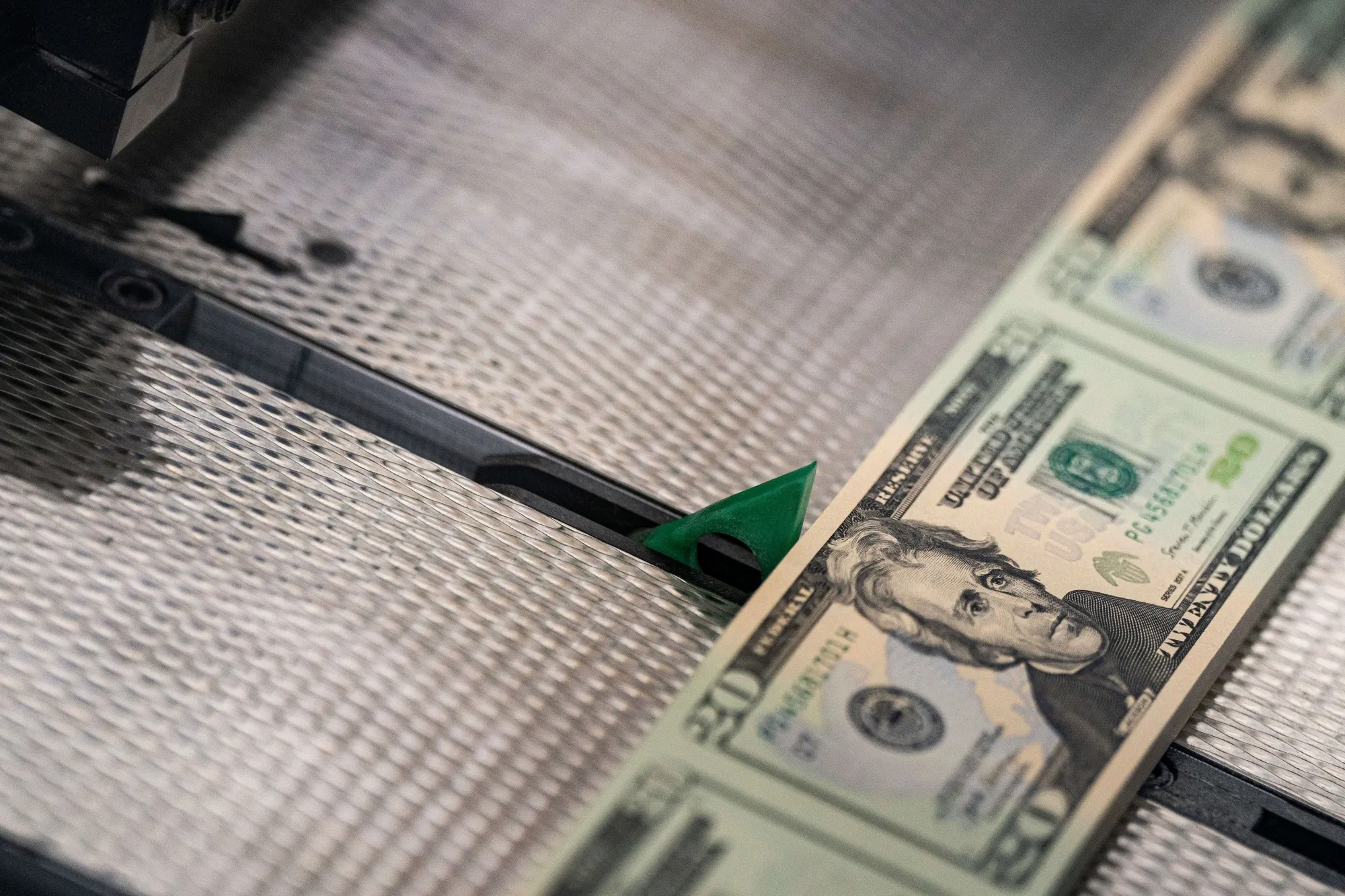
The US dollar headed for its first weekly decline in five weeks on Friday, as a sharp drop in Treasury yields and fresh doubts about the financing of the artificial-intelligence boom reversed part of the currency's recent gains and lifted the euro from a 17-month low.
The dollar index, which measures the greenback against six major peers, traded near 102.07 and was set for a weekly drop of about 0.14 per cent. The euro held around $1.122, recovering after five weeks in which it had fallen more than 3 per cent on concerns about France's debt pile and European energy costs. The dollar was quoted near 157.96 yen, down 0.2 per cent on the day.
The reversal is a reminder that the dollar's strength has been tied closely to the AI investment cycle — and that when that story wobbles, so does the currency.
Warsh declines to guide markets
Federal Reserve Chair Kevin Warsh spoke at the International Monetary Fund's annual meetings in Bangkok and declined to front-run the central bank's decisions, pointing to the October and December meetings as the "crystallising moment" for choices on output, employment and inflation.
Warsh said he did not intend to commit to a rate path, noting that the world economy faces synchronous monetary tightening. He struck a cautiously optimistic note on structural growth and the economic potential of AI, while warning about tail risks. The remarks did little to settle market expectations, and the absence of forward guidance pushed Treasury yields and the dollar lower.
The backdrop is awkward for the Fed. US producer prices surged to 6.3 per cent year on year in September against a consensus of 5.3 per cent, following a hotter-than-expected consumer inflation reading. Retail sales were also solid. Yet instead of reinforcing the case for a hike, the data coincided with a bond rally driven by risk aversion.
Treasuries rally against the inflation data
The 10-year Treasury yield fell about 15 basis points on Thursday to roughly 5.04 per cent, its largest single-day decline in more than a year, before edging back above 5.08 per cent on Friday. The two-year yield held near 4.75 per cent. The move was widely attributed to positioning — traders unwinding crowded bets and seeking safety — rather than to any reassessment of inflation.
The trigger was a sell-off in AI-related assets. Questions about the debt load of cloud company CoreWeave fuelled worries about the financing that has underpinned the AI build-out, dragging chipmakers and data-centre operators lower. The PHLX Semiconductor Index extended its losing streak to seven sessions, a run seen only about 15 times since 1994.
In a market where Treasury safe-haven demand can push yields lower even as US asset returns weaken, the dollar's relative appeal falls — an unusual combination that currency strategists at OCBC described as risk-off with lower yields and a softer dollar.
What a softer dollar means for emerging markets
A weaker dollar is broadly welcome for emerging markets, where it eases the cost of servicing dollar debt and reduces pressure on local currencies. The rand, the naira and other African currencies have all been sensitive to the greenback's direction this year.
Equity markets reflected the rotation. On Friday, Asian stocks rebounded after Thursday's tech-led sell-off, with South Korea's Kospi up more than 4 per cent and Japan's Nikkei up about 1.8 per cent. On Wall Street, the S&P 500 had snapped a three-day losing streak with a 0.3 per cent gain, the Dow added 1.1 per cent, and the Nasdaq was roughly flat as investors shifted out of chips and into healthcare, financials and materials.
The 28 October decision
The next test is the Fed's 28 October meeting. Traders are pricing about a 72 per cent chance of a hold, up from 53 per cent a month ago, though the probability of a hike rose after the inflation data before easing again as officials signalled they could wait for clarity.
For markets, the near-term question is whether the AI-linked wobble is a temporary reset or the start of a broader repricing of risks. If it deepens, the dollar could weaken further and extend the relief for emerging-market assets. If the inflation data reasserts itself and the Fed turns more hawkish, the greenback's recent slide may prove brief. Either way, the currency is no longer moving to the rhythm of rate differentials alone.
Up next
Gold Rebounds to Two-Week High but Still Heads for a Weekly Loss
Spot gold rose about 0.4 per cent to near $4,187 an ounce, helped by a softer dollar and a sharp fall in Treasury yields, even as hot US producer prices kept Fed rate-hike bets alive and capped the metal near $4,235.
More in Markets
See all
NGX Extends Recovery as Oil and Gas Rally Lifts Market Value to N160.83 Trillion
The All-Share Index edged up 0.01 per cent to 247,707.13 points for a second straight gain, but decliners outpaced gainers and the value of trades contracted sharply, leaving the rally resting on a narrow band of energy stocks.

DMO Rejects Higher Yield Demands and Allots N269 Billion at Treasury Bill Auction
Investors bid up to 18.18 per cent on the one-year bill but the Debt Management Office allotted only N269.06 billion against N450 billion offered, rejecting about 78 per cent of 364-day bids to keep a lid on borrowing costs after the rate cut.
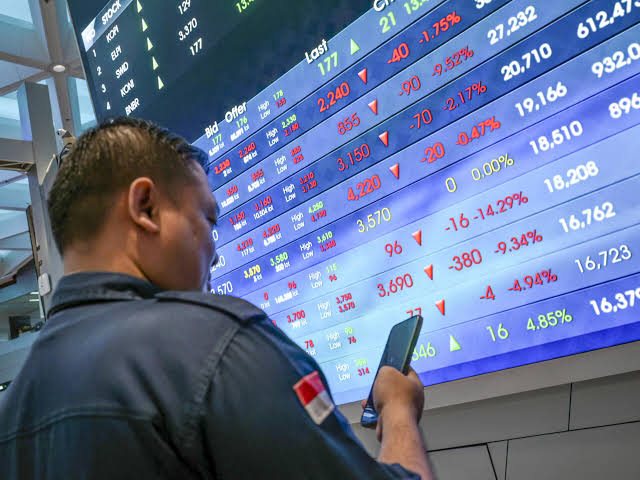
Indonesia Stocks Plunge 11% as MSCI Proposes Emerging-Market Downgrade
The Jakarta Composite fell 11.57 per cent, its heaviest one-day drop since 1998, after MSCI said Indonesia could no longer be classed an emerging market and proposed standalone status that would push it out of global benchmark indexes.
About the author
Abiodun Abdullahi
Author / Business and Markets Writer
Abiodun Abdullahi writes for BusinessPress.
More by Abiodun Abdullahi