Gabon Raises $580 Million in 8-Year Eurobond as Orders Near $1 Billion
Gabon sold $580 million in eight-year Eurobonds at a 9.375% coupon, attracting an order book of nearly $1 billion and a risk premium about 50 basis points below its July sale, even as the oil-dependent state remains heavily indebted.
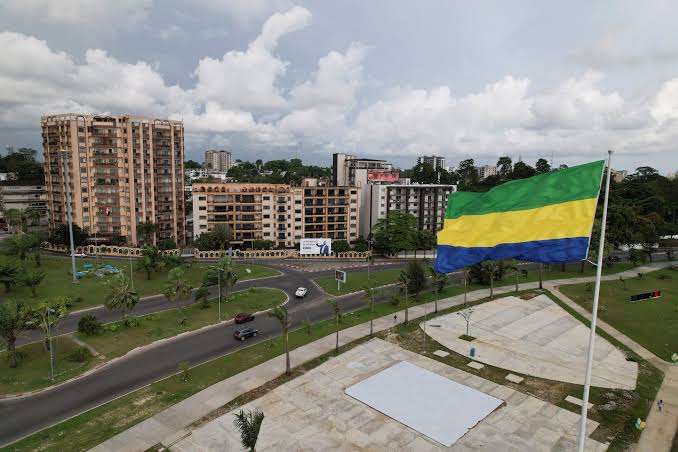
Gabon raised $580 million through an eight-year Eurobond on Wednesday, October 14, 2026, in an offering that drew orders of nearly $1 billion and priced at a risk premium about 50 basis points below the country's previous sale in July.
The bond, confirmed by the Ministry of Economy and Finance, carries a 9.375% coupon and matures in 2034.
The terms of the deal
The order book reached close to $1 billion, roughly double the amount Gabon sought, allowing the government to present the sale as a vote of confidence from international investors. The state said the lower risk premium was achieved despite a longer maturity and less favourable market conditions, including higher United States interest rates.
Finance Minister Thierry Minko led the transaction and met more than 100 investors in a roadshow. The ministry described it as Gabon's first public-offer-format issuance since 2021, a structure that broadens the investor base and strengthens transparency and dialogue with international creditors.
Why demand was strong, and what it cost
The strong subscription reflects a simple calculation by emerging-market and high-yield funds: the coupon is far higher than US Treasuries, and in a world where some frontier sovereigns have restructured, Gabon's willingness and ability to keep paying is itself a signal. The deal also helps the country meet near-term financing needs.
The price is steep by any standard. On the full $580 million, a 9.375% coupon implies interest of roughly $54 million a year. The ministry did not publish the issue price or the actual yield to investors, nor name the arranging banks, so the full cost of the borrowing is not yet publicly clear.
The signal for African sovereigns
Gabon's sale is part of a broader reopening of international capital markets to African sovereigns. Since 2024, several countries have returned to the Eurobond market after a two-year freeze caused by rising global rates and default concerns. Access is improving, but the price remains high and selective.
Adding October's $580 million to the $920 million it raised in July, Gabon has borrowed $1.5 billion in international markets in under three months. That pace underscores both the country's financing needs and the willingness of investors to fund an oil exporter at a yield that compensates for the risk of a commodity-price shock.
What to watch
Gabon's ability to service the new debt depends heavily on oil revenue. Watch crude prices and production trends over the next year, and how the government uses the proceeds: if the money finances investment that grows the economy and broadens the revenue base, the market's confidence will look well placed; if it covers recurrent spending, the next borrowing could prove more expensive.
Up next
Zenith Bank Deepens Kenya Push After Completing Paramount Bank Acquisition
Zenith Bank has consolidated its entry into East Africa's largest market after completing the full acquisition of Kenya's Paramount Bank, part of a wider expansion that also took the Nigerian lender into Côte d'Ivoire during the first half of 2026.
More in Finance
See all
Africa credit outlook improves as reforms ease debt pressure
Moody's has revised sub-Saharan Africa's outlook to positive as reforms, commodity prices and better financing ease debt pressures, though interest burdens remain high for several countries including Kenya and Zambia.
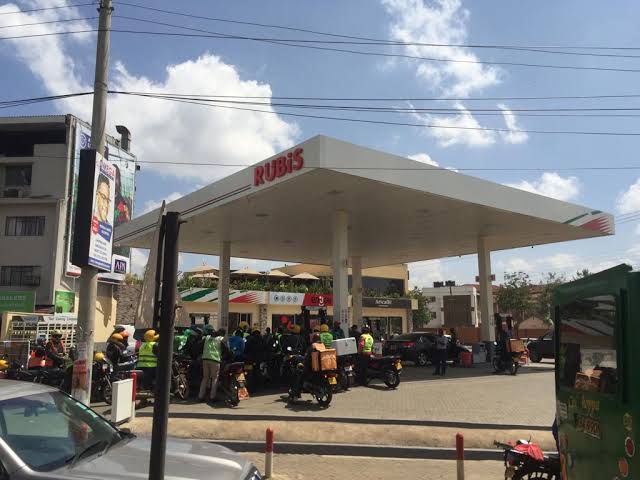
Kenya MPs Extend Fuel VAT Relief, Costing Treasury KSh81 Billion
Kenya's National Assembly has extended the reduced 8 per cent VAT rate on petroleum products for three months, forgoing about KSh81 billion in revenue to cushion consumers as crude prices rise.
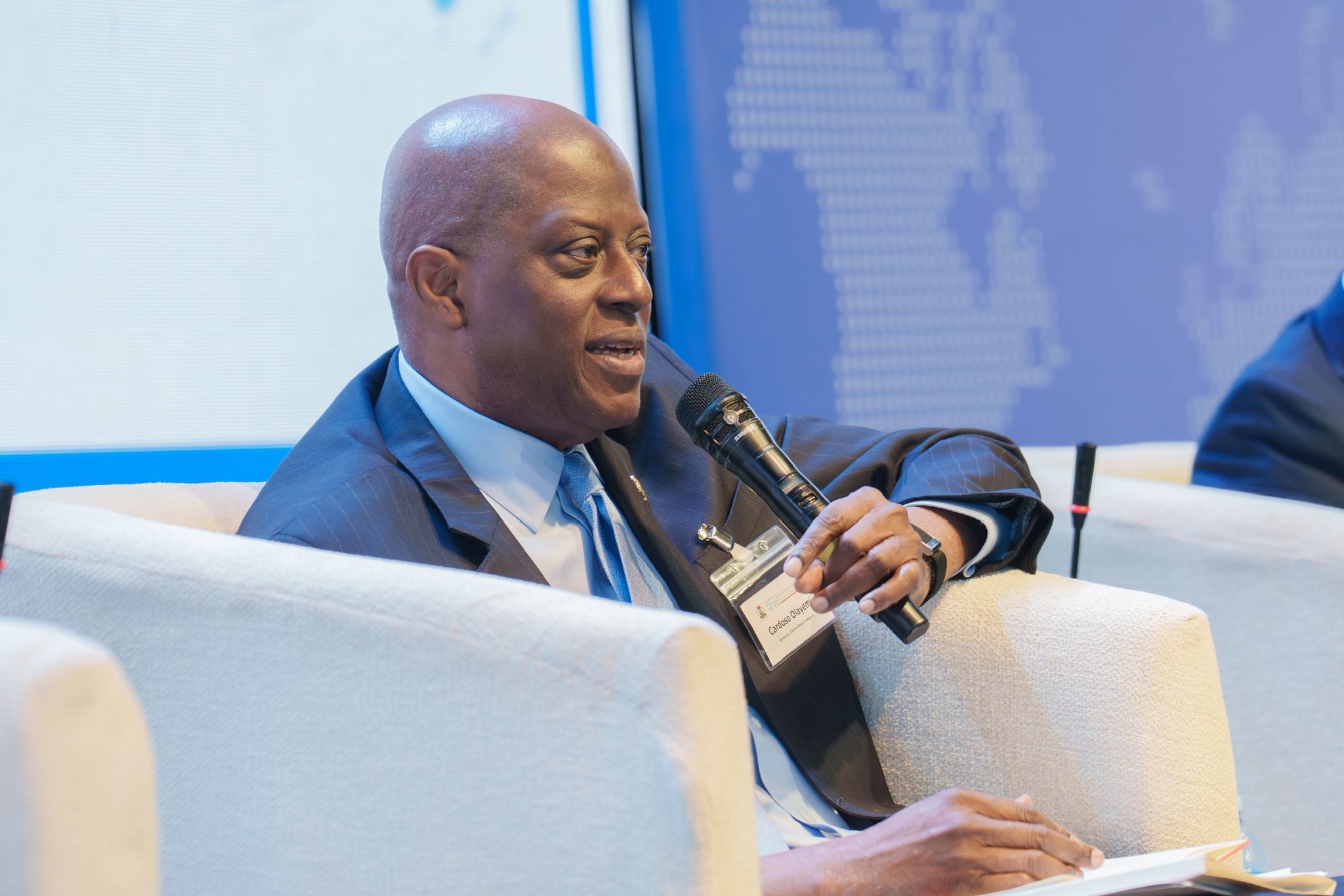
AFC Appoints CBN Governor Yemi Cardoso as Chairman of the Board
Cardoso succeeds Ireti Samuel-Ogbu at the helm of the Africa Finance Corporation, adding a continental infrastructure-finance role to his central bank duties.
About the author
Musa Abdullahi
Finance Correspondent
Musa Abdullahi writes for BusinessPress.