
Nigeria Grid Weakens on Gas and Hydro Constraints
NISO blames declining grid generation on gas supply constraints and low hydro water levels as the dry season pushes demand higher.
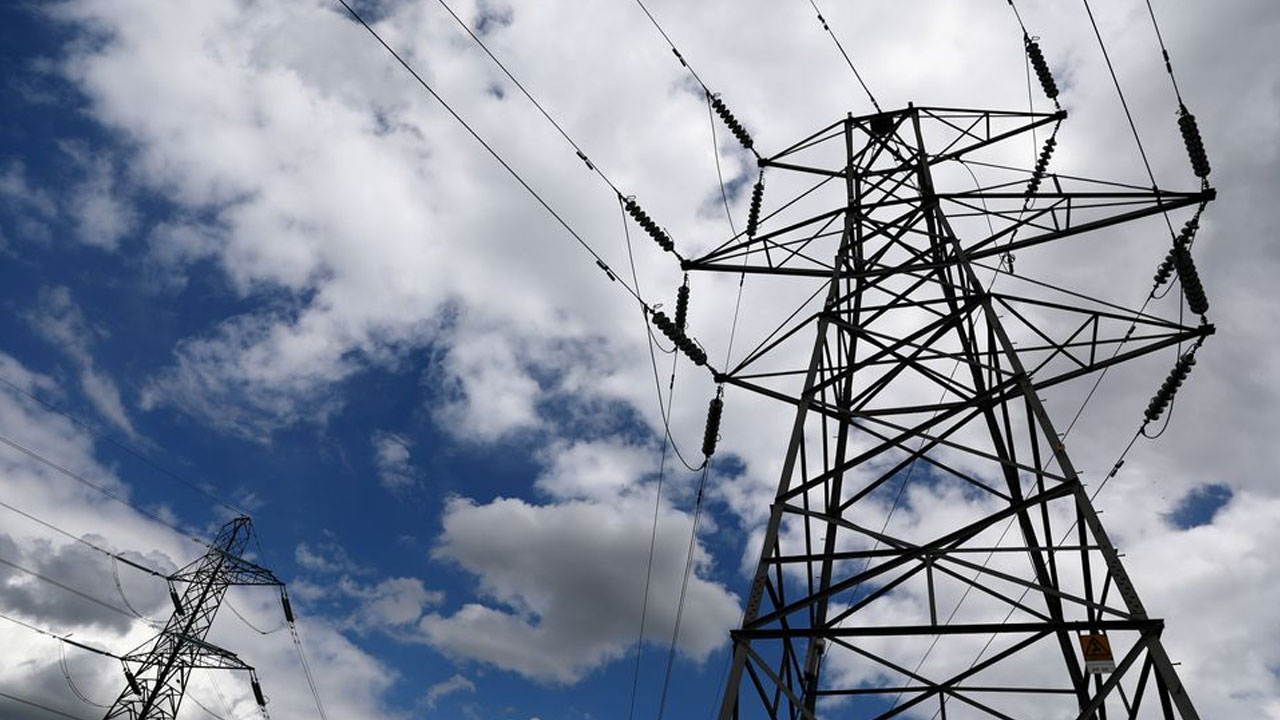
Nigeria's national grid is under renewed strain as the Nigerian Independent System Operator (NISO) blamed falling generation on gas supply constraints and low water levels at hydroelectric plants — a double supply shock hitting the two main pillars of the country's roughly 13,000-megawatt installed capacity at the start of the dry season, when electricity demand typically surges.
The disclosure confirms that Nigeria's perennial generation shortfall has entered a structurally harder phase: gas-fired plants, which supply the bulk of national electricity, are constrained by feedstock shortages along the supply corridor, while hydro stations — the country's second-largest source — face reservoir levels that cannot sustain full output through the season. The combined effect is a shrinking generation pool against which the Transmission Company of Nigeria must allocate an increasingly scarce commodity to distribution companies.
Why gas keeps failing the grid
Nigeria is a gas-rich country — proven reserves rank among the largest in Africa — but the power value chain has never solved the commercial chain between producers and generators. Gas suppliers face payment and pricing disputes with generation companies, pipeline vandalism reduces throughput, and legacy contracted volumes are prioritised towards export and industrial buyers who pay in harder currency. The result is a recurring pattern: whenever the grid needs incremental megawatts, the cheap domestic molecule is unavailable at the price generators can pay, and output falls below the installed capacity that the turbines nominally carry.
The gas constraint is the harder constraint to fix because it is contractual, not technical. Reforms have moved in the right direction — the electricity market's decentralisation allowing states and large consumers to contract directly, the gas-market liberalisation giving suppliers pricing visibility — but on-letter contracting is transitioning slowly, and the transition between old and new structures leaves supply uncertain exactly when it matters. Every dry season re-runs this test, and 2026 is proving no exception.
Hydro - the seasonal squeeze
The hydro squeeze compounds the gas problem precisely because Nigeria's generators rely on the reservoir cycle. Low water levels at Kainji, Jebba and Shiroro — the three dams that anchor the hydro fleet — reduce dispatchable output at a time when downstream demand is peaking: households run fans and light loads through harmattan evenings, and industrial users face their end-year production pushes. Hydro dispatch, normally the balancing half of the generation fleet, is instead running below capacity, forcing thermal plants already short of gas to bridge the gap they cannot fill.
This is why grid operators speak of "system spikes" — sudden frequency excursions when the demand-generation gap widens — and why national grid disturbances have been a recurring headline through 2024-2026. Each grid failure costs the economy output that includes neither compensation nor insurance, and each one lands on an already extended population of household and small-business diesel-buyers.
What it means for inflation and the cost of doing business
The electricity squeeze is inflationary through the self-generation channel. Nigerian businesses and households cover grid shortfalls with diesel and petrol generators, and with the Dangote Refinery lifting its petrol gantry price to N1,300 per litre and global crude near $100, the true cost of every unsupplied kilowatt-hour is rising. For manufacturers, cold-chain operators, telecom towers, hospitals and hotels, energy costs are among the largest lines in 2026 cost structures — and every grid failure converts directly into diesel consumption at today's fuel prices.
That inflationary arithmetic intersects with the country's disinflation effort. Headline CPI fell to 14.63 per cent in September, but the electricity and fuel components of household budgets are excluded from that relief: households pay twice for energy — once in tariffs that have risen sharply since the 2024 Band A repricing, and again in self-generation during outages. The central bank's research this week identifying supply-side shocks as the main transmission channel for inflation included exactly this price family.
Investment and policy implications
The generation crisis at the start of the dry season strengthens the investment case for three asset classes. Distributed renewable generation — rooftop and captive solar — has never had stronger economics than when grid reliability falls and diesel approaches N1,400 per litre. Gas infrastructure investment — pipeline integrity, contracting reform and metering — is the systemic fix, and its absence is now the single binding constraint on the power sector. And embedded generation projects contracted directly by industrial and state-level buyers, permitted under the 2023 Electricity Act's decentralised framework, are the fastest incremental supply path.
For investors in independent power projects and mini-grids, NISO's disclosure is demand validation: every megawatt that bypasses the dysfunctional central grid finds willing buyers at tariff levels that make returns workable. For policy, the sequence is clear — commercial gas contracting first, transmission and distribution loss reduction second, hydro dam rehabilitation third. Nigeria's power paradox is not a shortage of molecules or water; it is a shortage of properly priced, properly contracted supply. The 2026 dry season is the market's reminder that every month that structural fix is delayed costs the economy more in diesel, generators and lost output than the reforms would ever cost.
Up next
VFD Group Profit Nearly Doubles to N13bn
VFD Group posts N13.00bn nine-month profit, up 96%, on gross earnings of N81.88bn as it deploys N50.67bn rights issue proceeds andCP funding.
More in Business
See all
JobEX Opens Doors to Global Opportunities for Nigerians
For Nigerian users, the Full Access offering is priced at ₦2,999 , providing a relatively modest entry point for users seeking broader...

Dangote Refinery Lifts Petrol Price to N1,300 a Litre
Dangote Refinery raises its petrol gantry price to N1,300 per litre from N1,215 on November 3, with local pump prices rising to about N1,360 as crude costs bite.

Digital Africa Backs Ethiopian Group-Buying App ChipChip
Digital Africa makes its first Ethiopian commitment with funding for ChipChip, a social-buying app aggregating smallholder farm orders into bulk purchases.
About the author
Chinedu Nwosu
Technology Editor
Chinedu Nwosu writes for BusinessPress.
More by Chinedu Nwosu


