MultiChoice rewrites DStv and GOtv playbook as streaming gains ground
The pay-TV group is balancing satellite economics with streaming investment, local content and rising sports-rights costs.
MultiChoice is rewriting its DStv and GOtv playbook as streaming gains ground in Nigeria and across Africa, according to BusinessDay, a strategic shift for a company that built its business on satellite television. The move reflects changing consumer habits and the pressure from global streaming platforms.
MultiChoice has dominated pay-TV in Africa for decades. Its DStv and GOtv services reach millions of households, and its sports rights are a major draw. But streaming services such as Netflix, YouTube and Amazon Prime are changing how people watch television.
The company has responded with Showmax, its own streaming platform, and by integrating internet delivery into its traditional products. The challenge is to protect its core subscriber base while building a profitable digital business.
Why streaming matters
Younger consumers increasingly prefer on-demand content over scheduled broadcasts. They watch on phones and laptops, often while commuting or working. Satellite TV requires a dish, a decoder and a subscription, which is less convenient.
Streaming also allows MultiChoice to offer lower-priced mobile plans, reaching customers who cannot afford a full DStv subscription. That could expand the market.
But streaming is expensive. Content rights, technology and bandwidth costs are high, and competition from global platforms is intense.
The content question
MultiChoice’s strength is local content. It invests in Nigerian films, music and sports, which resonate with audiences in a way that global platforms cannot always match.
Local content is also a defense against churn. If subscribers cannot get Nigerian football or Nollywood elsewhere, they are more likely to stay.
But producing local content is costly. MultiChoice must balance investment in originals with the need to keep prices affordable.
The sports rights battle
Sports, especially football, are the biggest driver of pay-TV subscriptions in Africa. MultiChoice has secured rights to top leagues, but the cost of those rights is rising.
Streaming platforms are also bidding for sports rights, which could drive prices even higher. If MultiChoice loses key rights, subscribers may leave.
The company must decide which rights are essential and which can be dropped. That is a difficult trade-off.
The financial pressure
MultiChoice has faced pressure on revenue and profitability as costs rise and competition intensifies. The company has cut jobs and restructured its operations.
Currency weakness in Nigeria and other markets has also affected earnings. A weaker naira reduces the dollar value of profits and makes imported content more expensive.
The company’s debt levels are a concern. Investment in streaming and content requires capital, and the returns may take time.
What it means for consumers
Consumers may benefit from more choice and lower prices, at least in the short term. But they may also face fragmentation, with content spread across multiple platforms.
Bundling is likely to become more common. MultiChoice may offer packages that combine satellite, streaming and internet access.
Quality of service will be a differentiator. Reliable internet and good customer support are essential for streaming.
The outlook
MultiChoice’s transition is not unique. Media companies worldwide are grappling with the shift from linear TV to streaming.
The company has strong brands, local content and a large subscriber base. Those are advantages. But it also has legacy costs and a challenging market.
Success will depend on execution. MultiChoice must innovate without cannibalizing its core business. That is a delicate balancing act.
Up next
El Niño report projects 31,400 heat deaths in Nigeria in six months
Extreme heat threatens public health, farm output and energy supply, exposing Nigeria’s weak adaptation and climate-finance gaps.
More in Technology
See all
SpaceX Q3 revenue soars to $14.6bn as Starlink drives connectivity growth
SpaceX posts strong Q3 results with revenue up 161% to $14.6bn driven by Starlink and launch services.
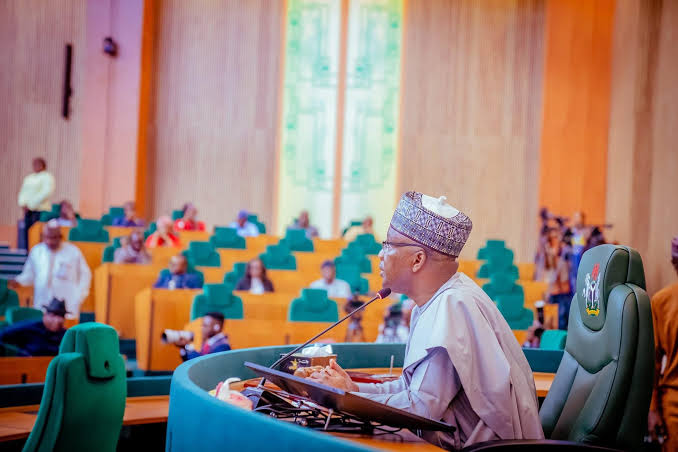
House of Representatives Passes Drone Industrialisation Bill at Second Reading
A bill sponsored by the Deputy Speaker and 12 lawmakers would create a National Drone Industrialisation Council, require a national drone policy within 12 months and offer duty concessions, research credits and accelerated capital allowances to local manufacturers.

MobiBank Names Strategic Partner and Shareholder for Nigerian Launch
MobiBank has added a strategic partner and minority shareholder in Nigeria, its first African implementation market, while naming ten priority markets and confirming the group keeps technology, brand and control.
About the author
Chinedu Nwosu
Technology Editor
Chinedu Nwosu writes for BusinessPress.