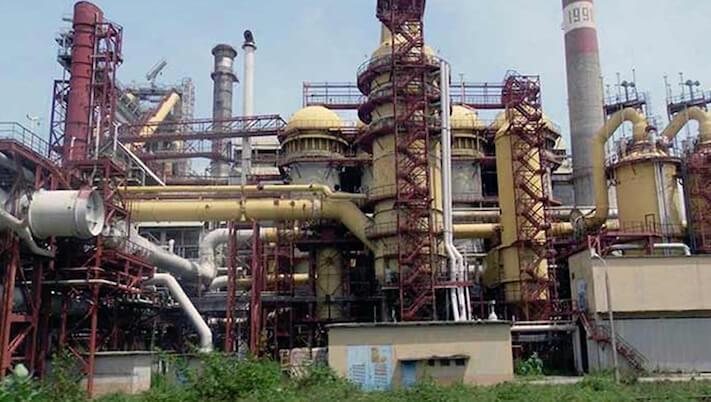
El Niño report projects 31,400 heat deaths in Nigeria in six months
Extreme heat threatens public health, farm output and energy supply, exposing Nigeria’s weak adaptation and climate-finance gaps.
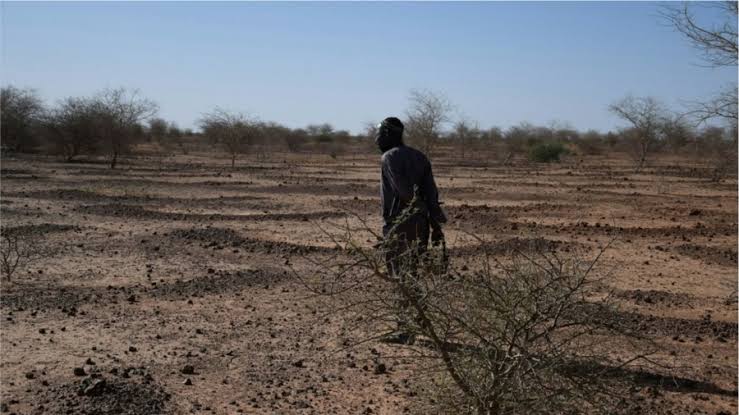
A report on El Niño projects 31,400 deaths in Nigeria from extreme heat over the next six months, according to Leadership, a warning that climate change is becoming a direct public-health and economic threat. The estimate is alarming and underscores the need for adaptation planning.
El Niño is a climate pattern that warms parts of the Pacific Ocean and affects weather worldwide. In Nigeria, it can bring hotter temperatures, erratic rainfall and increased risk of drought or flooding depending on the region.
Extreme heat is particularly dangerous for vulnerable groups: the elderly, children, outdoor workers and people with underlying health conditions. It also affects agriculture, water supply and energy demand.
Why the death toll is high
Nigeria’s health system is weak, and many people lack access to cooling, clean water and healthcare. Outdoor workers in construction, agriculture and transport are exposed to prolonged heat.
Urban areas are especially vulnerable because of the heat-island effect. Concrete, asphalt and limited green space raise temperatures, while poor housing traps heat.
Power shortages make it worse. Many households cannot rely on fans or air conditioning, and generators are expensive to run.
The agricultural impact
Heat stress reduces crop yields and livestock productivity. It can also increase water demand and worsen drought conditions.
Farmers may shift planting dates or abandon certain crops. That can reduce food supply and raise prices, compounding the cost-of-living crisis.
Livestock are particularly sensitive to heat. Higher temperatures can reduce milk production, slow growth and increase mortality.
What can be done
Early warning systems are essential. Governments can alert communities about heatwaves and provide guidance on how to stay safe.
Cooling centers, public water points and shade can reduce exposure. Urban planning should incorporate green spaces and reflective materials.
The health system needs to prepare for heat-related illnesses, including training staff and stocking supplies.
The economic cost
Extreme heat reduces labor productivity, especially in outdoor work. That affects output and incomes.
It also increases energy demand for cooling, straining the grid and raising costs.
Health costs rise as more people seek treatment for heat-related conditions. Those costs fall on households and the government.
The climate finance gap
Nigeria needs significant investment in adaptation, but financing is limited. Developed countries have promised climate finance, but delivery has been slow.
Public budgets are stretched, and private investment is deterred by policy uncertainty and low returns.
International partners can help with grants, concessional loans and technical assistance. But Nigeria must also mobilize domestic resources.
The outlook
The 31,400 figure is a projection, not a certainty. It depends on how hot the season becomes and how well the country prepares.
But the direction is clear. Climate change is increasing the frequency and intensity of extreme weather, and Nigeria is vulnerable.
The government should treat heat as a public-health emergency, not a seasonal inconvenience. Preparation can save lives and reduce economic losses.
Up next
African central banks raise gold reserves 113% in shift away from dollar assets
Reserve managers are buying bullion to diversify counterparty risk, with consequences for global gold demand, mining revenue and financial sovereignty.
More in Agriculture
See all
Fertiliser summit pushes soil intelligence to boost food security
Experts at the 2026 Nigeria Fertiliser Summit called for better soil data, targeted nutrient recommendations and stronger coordination to improve agricultural productivity.
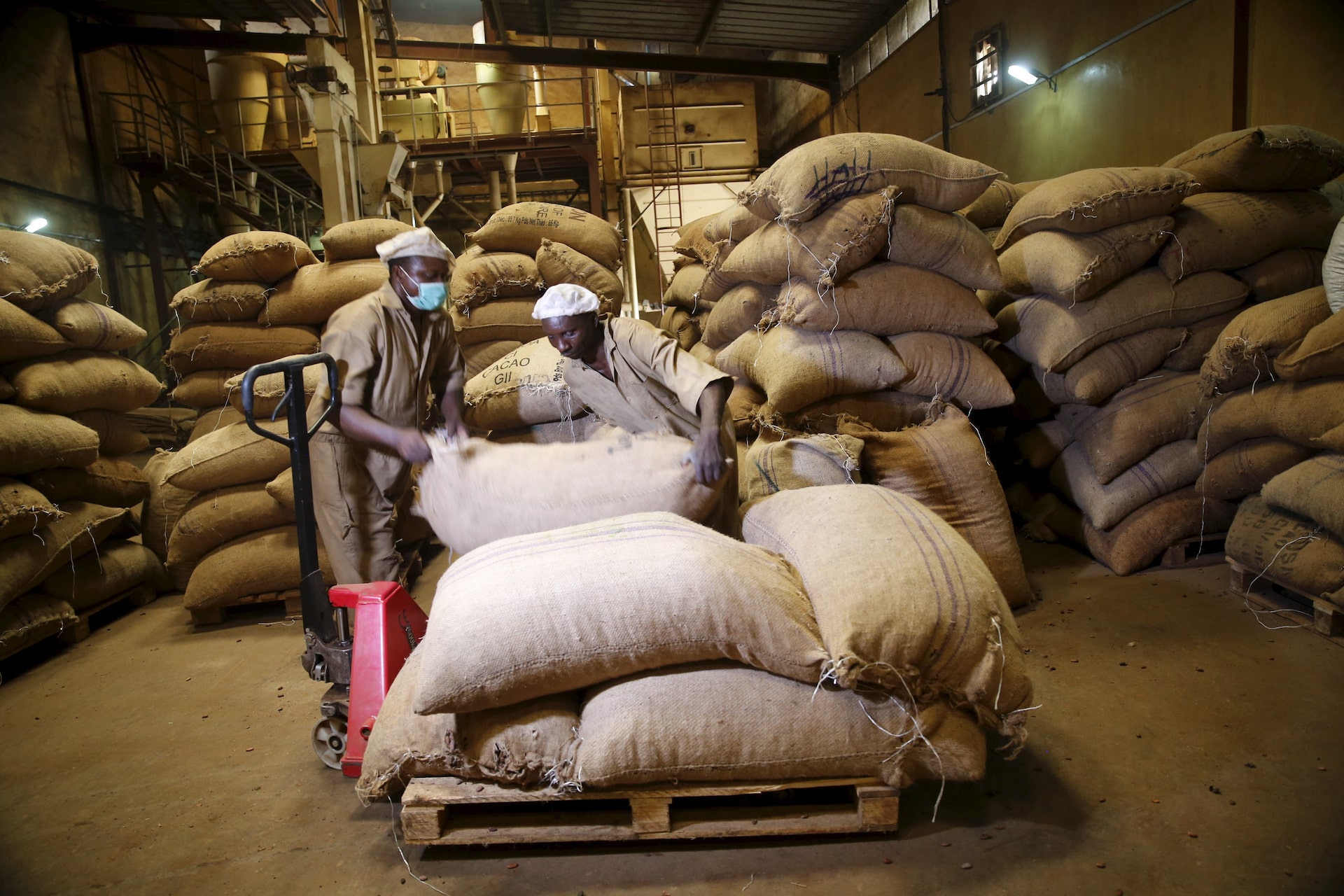
Fertiliser, Cocoa Lead Nigeria's Non-Oil Export Surge
Fertiliser has emerged as a top non-oil export earner alongside cocoa as Nigeria's industrial and agricultural shipments gain momentum in its diversification drive.
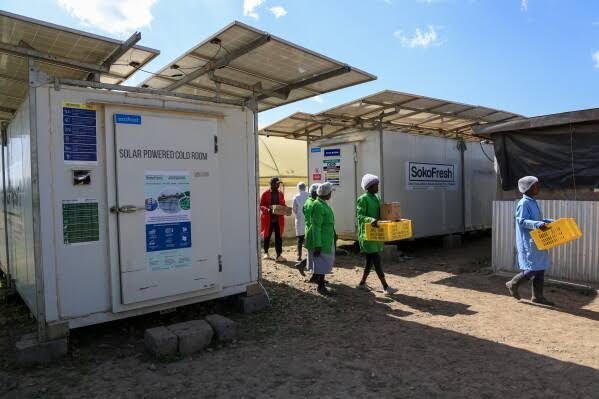
UK Clean Energy Fund Backs Solar Cold Storage for Nigerian Food Markets
More than £2 million from the UK's ZE-Gen Scale-up Fund will back ten African clean energy projects, including 100 solar cold storage units and four solar agricultural hubs in Nigeria.
About the author
Abena Ofori
Agribusiness Correspondent
Abena Ofori writes for BusinessPress.