Ajaokuta steel revival falters on power and raw-material gaps
Nigeria’s flagship steel complex needs reliable power, inputs and financing before it can anchor industrialisation, analysts warn.
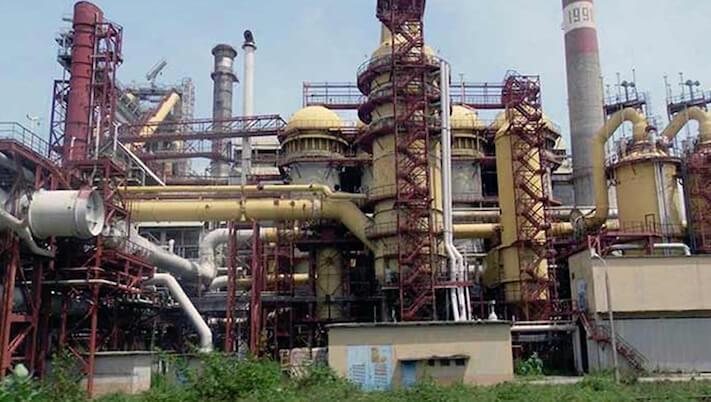
Nigeria’s attempt to revive the Ajaokuta Steel Company is being hobbled by power shortages and raw-material gaps, according to BusinessDay, raising doubts about whether the plant can become the industrial anchor successive governments have promised. The complex has been largely idle for decades despite billions of dollars in investment.
Ajaokuta was conceived as the centrepiece of Nigeria’s industrialisation strategy. It was meant to produce steel for construction, manufacturing and infrastructure, reducing dependence on imports and creating thousands of jobs. Instead, it became a symbol of abandoned projects and policy failure.
The latest revival effort faces the same structural problems that undermined earlier attempts. Steel production is energy-intensive, and Nigeria’s electricity supply is unreliable and expensive. The plant also needs iron ore, coal and other inputs in consistent quality and quantity.
The power problem
Steel mills require large amounts of reliable electricity. A shortage or outage can damage equipment and disrupt production. Nigerian manufacturers often rely on diesel generators, which are expensive and expose them to fuel-price volatility.
The government has talked about building a dedicated power plant for Ajaokuta, but financing and implementation have been slow. Without a stable power source, the plant cannot operate competitively against producers in countries with cheaper energy.
Electricity is not the only infrastructure gap. The plant needs roads, rail and port access to bring in raw materials and ship out finished steel. Poor logistics add to costs and reduce competitiveness.
The raw-material challenge
Nigeria has iron ore deposits, but their quality and accessibility vary. The plant needs consistent supply at a competitive price. Mining, processing and transport must be integrated with the steel mill.
Coal is another input, particularly for blast furnaces. Nigeria has coal reserves, but production has declined and the quality may not match the plant’s requirements. Importing coal would add to costs and expose the plant to foreign-exchange risk.
The entire supply chain needs investment. Mines, processing plants, railways and ports must be developed together. Piecemeal efforts are unlikely to succeed.
The ownership and financing question
Ajaokuta has a complicated ownership history, including a failed concession and lengthy legal disputes. Those issues have deterred investors and delayed decisions about the plant’s future.
Reviving the plant will require significant capital. The government’s fiscal position is weak, and state-owned enterprises have a poor record of managing large industrial projects. Private investment could help, but investors will demand clarity on ownership, regulation and returns.
A credible plan would separate the plant’s commercial operations from its social obligations. It would also set realistic targets and avoid the temptation to promise more than can be delivered.
What it means for the economy
A functioning steel plant could support construction, manufacturing and infrastructure. Steel is a basic input for buildings, bridges, vehicles and machinery. Domestic production could reduce imports and create jobs.
But the benefits depend on competitiveness. If Ajaokuta produces steel at a higher cost than imports, it will need subsidies or protection, which can distort the economy and raise costs for downstream users.
The plant could also anchor a cluster of related industries, including fabrication, engineering and equipment manufacturing. That would require a supportive policy environment and investment in skills.
The outlook
Ajaokuta’s revival is a test of Nigeria’s ability to execute complex industrial projects. The challenges are technical, financial and political. Without a coherent strategy, the plant will remain a monument to unrealised ambition.
The government should be honest about the timeline and the costs. A phased approach, starting with power and raw-material supply, may be more realistic than attempting to restart the entire complex at once.
For investors, the opportunity is long-term and uncertain. The steel sector has potential, but the risks are high. Ajaokuta will only succeed if it is treated as a commercial enterprise, not a political trophy.
Up next
FDI at 1.3% of inflows puts Nigeria’s $1 trillion economy goal at risk
Foreign direct investment remains a tiny share of capital inflows, exposing the investment-climate gap behind Nigeria’s growth ambitions.
More in Economy
See all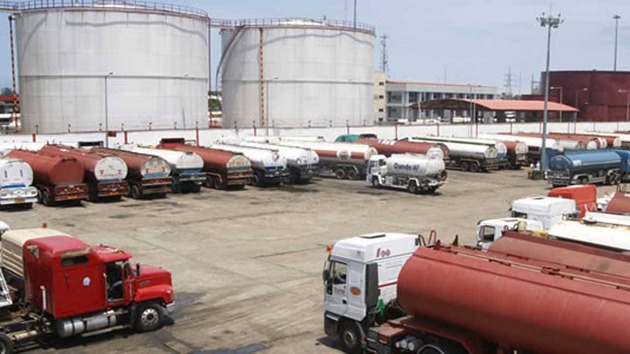
Petrol imports fall 30% as Nigeria’s daily demand hits 44.4 million litres
Domestic refining is reducing petrol imports even as demand rises, but data gaps and supply risks could still trigger shortages.
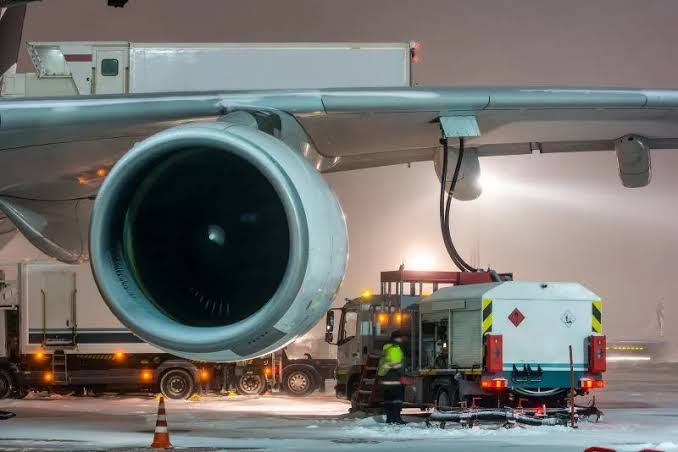
Europe’s diesel and jet fuel supplies stay tight as refinery gaps bite
Refinery closures, sanctions and strong demand are keeping European product markets tight, with knock-on effects for African importers.
Qatar US gas deal shows Iran war reshaping global energy markets
The LNG transaction highlights energy-security hedging as Middle East conflict raises risks for Gulf supply and shipping.
About the author
Abiodun Abdullahi
Author / Business and Markets Writer
Abiodun Abdullahi writes for BusinessPress.
More by Abiodun Abdullahi