Jollof rice now takes 37% of minimum wage as food inflation bites
The cost of a staple meal exposes how food inflation is squeezing Nigerian households and undermining the real value of the minimum wage.
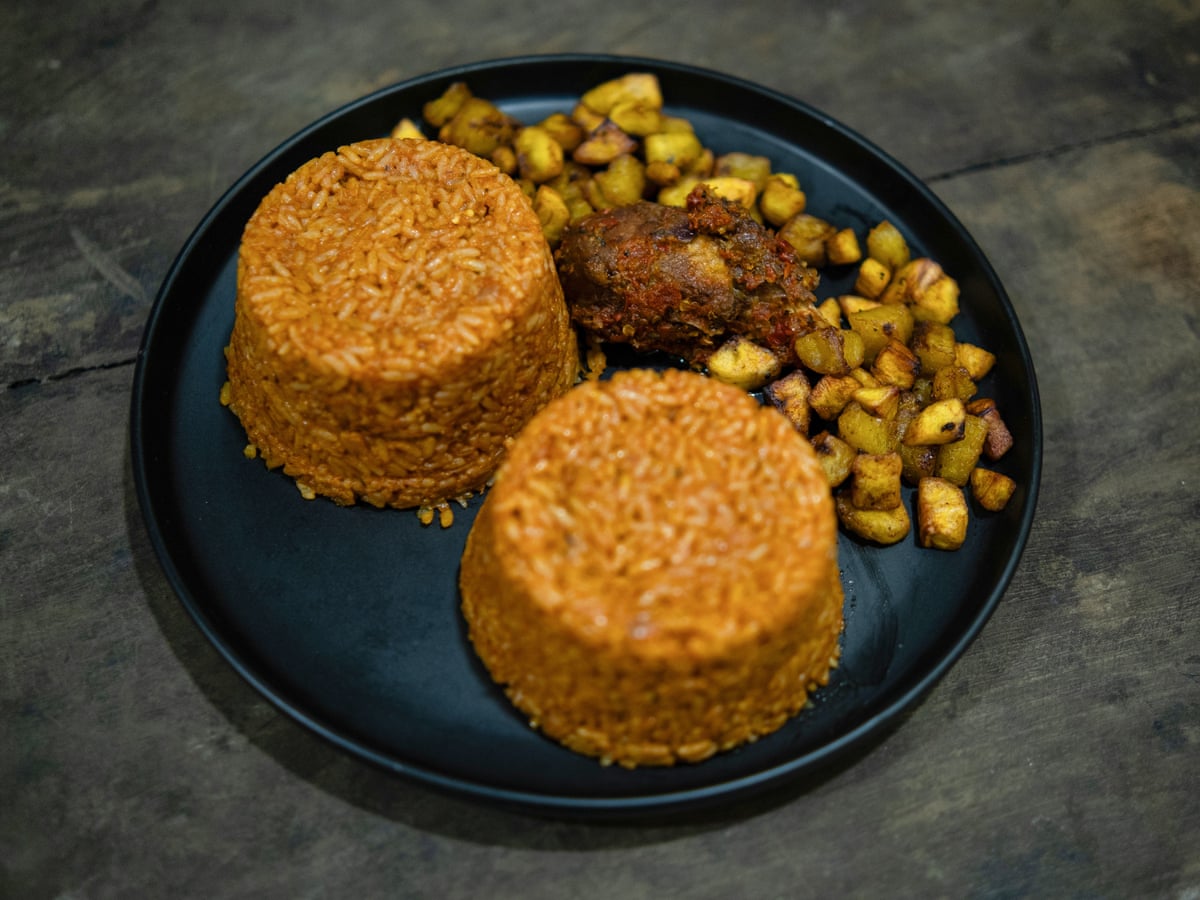
Nigerians now spend about 37 per cent of the minimum wage to cook a pot of jollof rice, according to BusinessDay, a striking measure of how food inflation has eroded household purchasing power. The calculation turns an everyday meal into an indicator of the cost-of-living crisis.
Jollof rice is not a luxury. It is a staple at family gatherings, parties and everyday meals, made with rice, tomatoes, peppers, oil, onions and protein. When the cost of those ingredients rises faster than wages, households are forced to cut portions, substitute cheaper inputs or skip meals.
The 37 per cent figure is based on the national minimum wage, which many workers earn or exceed only marginally. For low-income households, food accounts for a much larger share of spending than the official inflation average suggests. A single meal can consume a significant part of the daily budget.
What is driving the cost
Rice prices have risen because of higher input costs, transport expenses and the naira’s weakness. Nigeria produces rice, but not enough to meet demand, and imported rice becomes more expensive when the currency depreciates.
Tomatoes, peppers and onions are perishable and highly seasonal. Poor storage and transport infrastructure lead to post-harvest losses, which raise prices. Fuel costs affect every stage of the supply chain, from irrigation to market delivery.
Cooking oil and protein have also become more expensive. Global commodity prices, import duties and logistics costs all feed into the final price. For many families, the cost of a pot of jollof is now a monthly budgeting decision, not a casual purchase.
The wage squeeze
The minimum wage has not kept pace with inflation. Even when nominal wages rise, the increase is often swallowed by higher food and transport costs. Workers in the informal sector have no minimum wage protection at all.
Employers face pressure too. Higher wages raise operating costs, which can lead to job cuts or price increases. Small businesses, which employ most Nigerians, have limited room to absorb either.
The result is a squeeze on both sides. Households cut spending on health, education and savings, while businesses see weaker demand for non-essential goods. That can slow the economy and reduce tax revenue.
Why food inflation matters
Food is the largest component of Nigeria’s consumer price index. When food prices rise, inflation becomes more persistent and harder to control. Monetary policy can reduce demand, but it cannot grow more rice or build better roads.
Food inflation also has political consequences. Rising prices can trigger protests, undermine confidence in government and worsen poverty. The 2027 election campaign is already being shaped by cost-of-living concerns.
The government has responded with palliative measures, including cash transfers and fertiliser support. Those interventions can help at the margin, but they do not address the structural causes of high food costs.
What would help
Increasing agricultural productivity is essential. That means better seeds, fertiliser, irrigation and extension services. It also means reducing post-harvest losses through storage, processing and transport infrastructure.
Trade policy matters. Restrictions on food imports can protect local farmers, but they can also raise prices for consumers if domestic supply is insufficient. A predictable policy that supports production without creating shortages is needed.
Security is another factor. Insecurity in farming regions displaces farmers, disrupts planting and raises the cost of food production. Without safety, investments in agriculture will remain constrained.
The household reality
For families, the jollof rice index is a reminder that official statistics can understate the lived experience of inflation. A pot of rice that once fed a family for two days may now be a once-a-week treat.
Consumers are adapting. They are buying smaller quantities, substituting cheaper ingredients and cooking at home more often. Some are turning to street food, which can be cheaper per meal but may have lower nutritional quality.
These coping strategies have limits. When households cut food quality, health outcomes suffer. When they cut spending elsewhere, the economy loses demand. The cost-of-living crisis is therefore both a social and an economic problem.
The outlook
Food prices are unlikely to fall sharply in the near term. The naira remains volatile, fuel costs are high and structural bottlenecks persist. Without sustained investment in agriculture and logistics, the jollof rice index will stay elevated.
The government needs a coherent food-security strategy that combines production, trade, storage and social protection. Piecemeal interventions will not be enough.
The 37 per cent figure is a useful communication tool because it is concrete and relatable. But it should also be a call to action. A country that cannot afford to feed its people cannot achieve sustainable growth.
Up next
Ajaokuta steel revival falters on power and raw-material gaps
Nigeria’s flagship steel complex needs reliable power, inputs and financing before it can anchor industrialisation, analysts warn.
More in Economy
See all
Lagos-Calabar Coastal Highway targets three-year completion, Umahi says
The coastal highway could cut logistics costs and open new corridors, but financing, land disputes and delivery risks cloud the timeline.
Petrol imports fall 30% as Nigeria’s daily demand hits 44.4 million litres
Domestic refining is reducing petrol imports even as demand rises, but data gaps and supply risks could still trigger shortages.
Europe’s diesel and jet fuel supplies stay tight as refinery gaps bite
Refinery closures, sanctions and strong demand are keeping European product markets tight, with knock-on effects for African importers.
About the author
Tunde Balogun
Economics Correspondent
Tunde Balogun writes for BusinessPress.
More by Tunde Balogun