NAFDAC Seizes N200m Counterfeit Beverage Packaging in Aba Raids
The food and drug regulator seized fake packaging for alcoholic beverages across shops in Aba, stepping up enforcement against product adulteration.
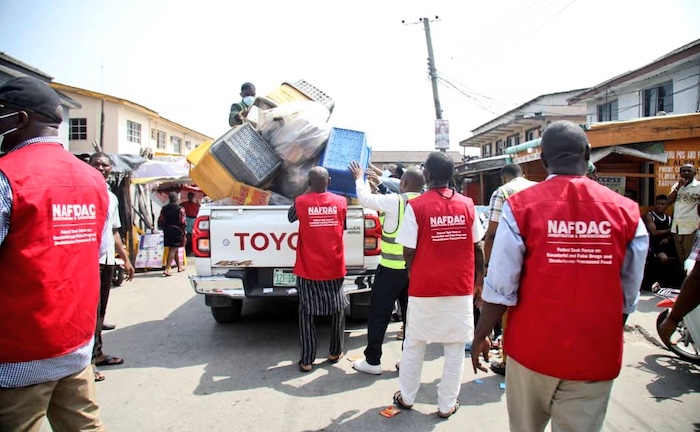
The National Agency for Food and Drug Administration and Control has seized counterfeit packaging materials for alcoholic beverages worth about N200 million during enforcement operations at multiple shops in Aba, Abia State, in a fresh push against product adulteration.
The raid targeted packaging that authorities say was intended to be used for faking well-known beverage brands, a practice that endangers consumers and undermines legitimate manufacturers who invest in brand reputation and quality control.
The operation is part of a broader escalation in NAFDAC's enforcement activity. The agency has in recent days announced separate seizures including banned agrochemicals worth over N800 million, as it moves to tighten food and product safety across the country.
Why counterfeit packaging is the front line
Fake packaging is often the enabling step in product counterfeiting. Empty bottles, labels and cartons that mimic established brands allow adulterated or unapproved products to enter the market indistinguishable from genuine ones. Cracking down on packaging suppliers can therefore disrupt the counterfeiting chain upstream, before faked goods reach shelves. It is a higher-leverage intervention than chasing finished products one shop at a time.
The economic stakes are substantial. Counterfeiting erodes the revenue and brand equity of legitimate manufacturers, discourages investment and exposes consumers to health risks. In the beverage sector, where alcohol content and hygiene standards matter, the consequences of adulteration can be severe.
The enforcement economy
NAFDAC's raids also raise a familiar question about sustainability. Seizures make headlines and remove dangerous products from circulation, but the counterfeit economy regenerates unless enforcement is paired with market surveillance, traceability and penalties strong enough to change the economics of cheating. Distributors and retailers need to be part of the solution, not just the target of periodic crackdowns.
What to watch
The agency's ability to secure convictions, not just seizures, will determine whether this enforcement wave has a lasting deterrent effect. The volume of counterfeit goods intercepted is, in one sense, a measure of the size of the problem that remains.
Up next
Nigeria's $350m Solid Minerals Exports Face Value-Addition Hurdle
The country ships raw ore while importing processed products, ceding the industrial and jobs gains that processing would create, industry observers warn.
More in Business
See all
Nigeria Accounts for $131bn of Africa's $209bn Business Financing Gap
A study by BII and Swedfund found a $209 billion financing gap for Black-owned businesses across five African economies, with Nigeria accounting for $131 billion.

Nigeria's sugar plan targets 835,000 tonnes of new annual capacity
Ten greenfield projects form part of a $7.1 billion, 10-year programme that could reduce import demand if financing, farms and factories are delivered on schedule.
Manufacturers flag price cuts as input costs ease
Falling input costs are easing pressure on factory gate prices, but demand remains uneven.
About the author
Amaka Obi
Senior Business Reporter
Amaka Obi writes for BusinessPress.
More by Amaka Obi