Gold Hits Record High as Oil Slides and Markets Hedge Global Risk
Bullion climbed to about $4,145 an ounce on central-bank buying and rate-cut bets, diverging from crude in a market that is hedging rather than celebrating.
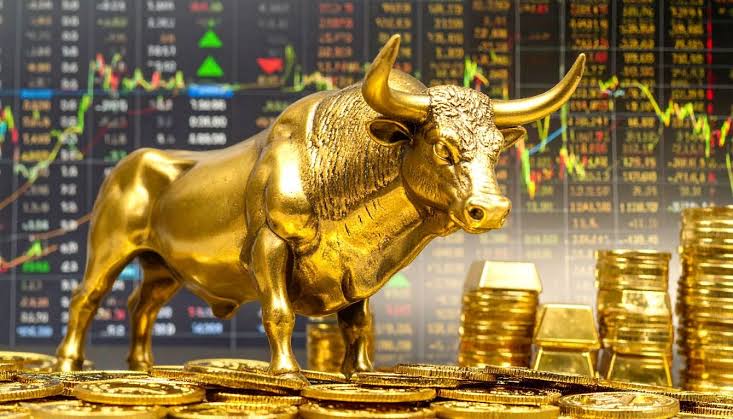
Gold scaled a fresh record high as investors sought safe-haven assets amid a slide in oil prices, mixed signals on the global growth outlook and fresh uncertainty over the path of United States interest rates.
The metal traded around $4,145 an ounce, extending a rally that has been driven by central-bank buying, expectations of monetary easing and demand for protection against geopolitical and fiscal risk. The move came as crude oil retreated, with Brent near $104 a barrel and WTI around $94, after a geopolitical risk premium unwound.
The divergent moves — gold up, oil down — tell a coherent story about how markets are reading the moment. Lower oil reflects easing supply fears; higher gold reflects persistent demand for insurance. Investors are not pricing confidence so much as rotating between risks.
Why gold keeps setting records
Several forces are aligned. Central banks, particularly in emerging markets, have been adding to reserves, diversifying away from dollar assets. Expectations that major central banks will ease policy lower the opportunity cost of holding a non-yielding asset. And fiscal worries in large economies, alongside geopolitical tensions, sustain demand for a store of value outside the banking system. When several of these drivers pull in the same direction, gold rallies even without a single dramatic trigger.
The signal for emerging markets
Record gold prices are a boon for producer nations and a warning for everyone else. For countries with gold reserves — including several African producers seeking to formalise and expand their mining sectors — high prices improve the economics of extraction and export. For importers and holders of fiat currencies, gold's strength is a reminder that confidence in the global monetary order remains uneven.
Oil and the reflation question
The oil pullback matters because energy prices feed directly into inflation. Softer crude eases imported inflation pressure for countries like Nigeria, which both imports refined products and depends on crude exports. But if the decline reflects weakening global demand rather than easing supply risk, it is a less benign signal, pointing to slower growth in key markets that buy African commodities.
What to watch
Markets will watch US inflation and rate guidance, the direction of the dollar, and any escalation around key oil transit routes. For now, the gold record and the oil slide together describe a market that is hedging rather than celebrating — a posture that tends to persist until the macro picture clarifies.
Up next
Universal Music Group Cuts Costs With Fresh Layoffs and $270m Savings Target
The music major is trimming staff worldwide as it funds AI-era licensing infrastructure and redirects resources to high-growth priorities.
More in Markets
See all
Naira Firms to N1,332/$ Ahead of September Inflation Report
The naira strengthened at the official window while holding near N1,358 in the parallel market as traders positioned for the September inflation release.

Oil Climbs to $107 as Middle East Attacks Threaten Supply
Brent crude rose to about $107 a barrel as Middle East attacks threatened supply through the Strait of Hormuz, a windfall and a cost for Nigeria.

Hot US Inflation Jolts Global Markets as Fed Rate-Hike Bets Jump
US consumer prices rose 3.7 per cent year on year in September, above expectations, jolting global markets and lifting bets that the Federal Reserve may raise rates.
About the author
Adaeze Okonkwo
Markets Editor
Adaeze Okonkwo writes for BusinessPress.