Nigeria's $350m Solid Minerals Exports Face Value-Addition Hurdle
The country ships raw ore while importing processed products, ceding the industrial and jobs gains that processing would create, industry observers warn.
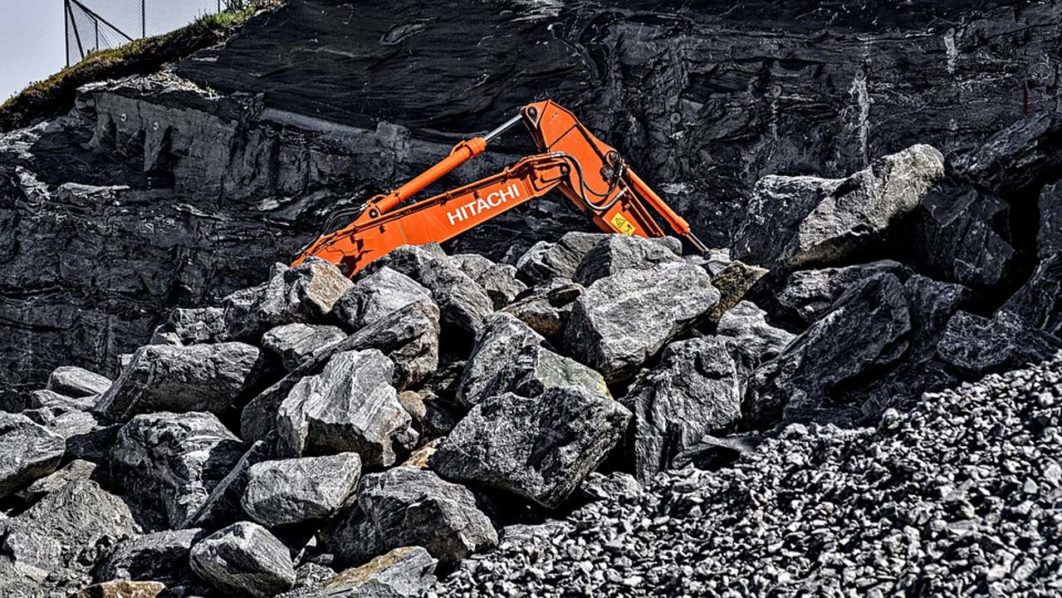
Nigeria's solid minerals exports, valued at about $350 million, are being held back by a persistent value-addition gap that sees the country ship raw ore while capturing a fraction of the wealth its mineral endowment could generate, industry observers say.
The challenge is familiar from oil and agriculture: Nigeria extracts and exports raw materials, then imports processed products at a higher price, ceding the industrial and employment benefits of processing to other economies. For solid minerals — tin, columbite, gold, lithium, barite and others — the gap is especially stark given rising global demand for critical minerals.
The global energy transition has made minerals such as lithium and cobalt strategic commodities, and countries with deposits stand to gain far more from processing and refining than from extraction alone. Nigeria's deposits have drawn increasing investor interest, but the processing capacity required to capture that value remains thin.
Why value addition is the whole game
Raw ore leaves a country cheap and returns as expensive finished product. A tonne of lithium concentrate sold abroad becomes batteries sold back at a multiple of the ore price. The jobs, tax revenue and industrial know-how sit in the middle of that chain, and Nigeria currently skips most of it. For a government trying to diversify away from oil, solid minerals are a rare opportunity to get the value chain right from the start — if it resists the temptation to export the easiest dollar.
The obstacles
Several constraints stand in the way. Processing requires reliable power, which remains costly and intermittent. It requires financing for capital-intensive plants, which the domestic banking system has been slow to provide. It requires secure mining titles and a regulatory environment predictable enough to justify long-lived investment. Artisanal and small-scale mining dominates output, complicating both formalisation and the aggregation needed to feed industrial-scale plants.
The policy question
The debate now is whether to restrict raw exports to force domestic processing, as some producer countries have done, or to incentivise processing through tax and infrastructure support while keeping export channels open. Export bans can backfire — they depress producer incomes and push trade into informal channels — but without some nudge, the value-addition gap tends to persist. The right answer is usually a combination: credible infrastructure, targeted incentives and enforcement against illegal extraction.
What to watch
Watch for new processing licences, power arrangements for mining clusters and the pace of title reform. Nigeria's minerals story will be judged not by how much ore it ships, but by how much of the value chain it keeps at home.
Up next
NNPC Advances IPO Plans as It Moves to Close Governance Gaps
The national oil company is tightening disclosure and oversight as it prepares a listing that could become one of the Nigerian Exchange's largest.
More in Business
See all
Airlines Risk N6.6 Billion From 25-Day Owerri Airport Closure
Domestic airlines could lose over N6.6 billion from the planned 25-day closure of Owerri's Sam Mbakwe airport for runway rehabilitation, affecting 55,000 passengers.

Nigeria Accounts for $131bn of Africa's $209bn Business Financing Gap
A study by BII and Swedfund found a $209 billion financing gap for Black-owned businesses across five African economies, with Nigeria accounting for $131 billion.

Cascador and Sterling Bank Launch $200 Million Fund to Unlock Credit for Nigerian SMEs
Cascador and Sterling Bank have launched a $200 million SME Credit Backstop Fund designed to unlock credit for startups and small businesses that struggle to borrow.
About the author
Amaka Obi
Senior Business Reporter
Amaka Obi writes for BusinessPress.
More by Amaka Obi
From Stability to Growth: What the CBN Reset Now Demands of the Market
Opinion & Analysis2 hrs ago
Nigeria's Petrol Subsidy Debate: What the IMF's Warning Really Says
Opinion & Analysis
Nigeria's Debt Maths: Why Interest Is Eating the Budget
Opinion & Analysis