NGX Flags Nine Firms for Delisting and Restructuring as Union Dicon Faces Deadline
The Nigerian Exchange has moved to flag nine listed companies for delisting, restructuring or other corporate actions, with Union Dicon Salt among the firms whose statuses changed on the Exchange’s daily register, Nairametrics reported on Monday, October 26.
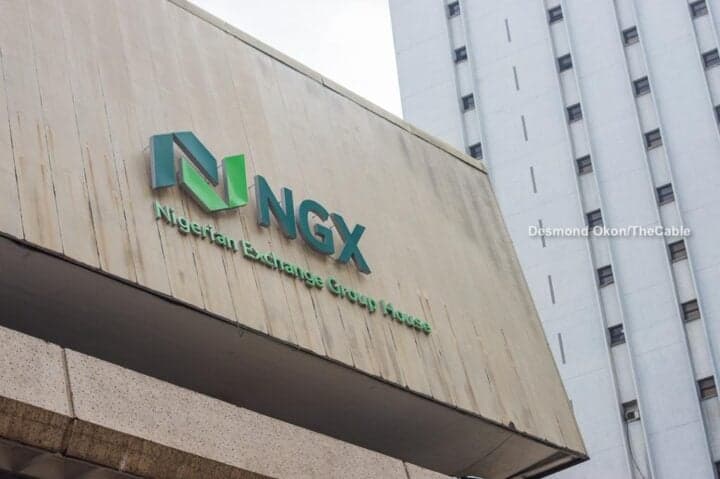
The Nigerian Exchange has moved to flag nine listed companies for delisting, restructuring or related corporate actions, with Union Dicon Salt and three other firms facing a specific compliance deadline, Nairametrics reported on Monday, October 26, 2026. The regulatory step lands at a moment when the country’s equities market is setting fresh records — Monday’s ₦163.16 trillion capitalisation high — making the pruning campaign a study in the Exchange’s two-track personality: celebrating record inflows while enforcing exit doors for companies that no longer meet listing standards.
Delisting actions exist to protect the market’s integrity. Companies that trade irregularly, fail to file accounts, fall into insolvency or shrink their free float distort price discovery for everyone else and occupy listing slots that healthy issuers could use. The Exchange’s surveillance department typically issues notice-based warnings first, gives cure windows, and only then moves to outright delisting — the pattern the flagged nine now sit inside.
Union Dicon Salt, one of the longer-running small caps on the bourse, has traded irregularly through repeated ownership restructuring attempts, a history that makes it a natural candidate for the Exchange’s hard enforcement line. The remaining eight flagged names span categories the Exchange tracks — from companies already in receivership to those whose situations call for restructuring rather than removal.
[irp][irp][irp][irp][irp]
Why Cleanup Matters at All-Time Highs
The timing is not incidental. Record pricing attracts new listees and new investors, and both rely on the market’s quality signals being credible. An index that sets fresh capitalisation records while carrying chronically non-compliant issuers undercuts the very credential that drew the capital — so pressure to tidy the register rises alongside the valuations. The Exchange’s enforcement track record through 2026 has favoured disclosure-first approaches, but the nine-firm flag signals willingness to move past warnings.
Retail shareholders of affected companies will watch two mechanics in the weeks ahead: whether any of the flagged names complete restructuring plans that keep them listed under tighter conditions, and what exit alternatives the Exchange facilitates for minority holders when outright delisting proceeds — historically the point at which retail investors lose liquidity.
What Investors Should Do With This Signal
For portfolio construction, the flag serves as a screening input: money managers reviewing small-cap sleeves should check their exposures against the affected names before illiquidity arrives abruptly. For the wider market, the cleanup complements the listing pipeline the Exchange has been courting — the record capitalisation is built on large caps broadening their float, and a register that self-cleans strengthens the case for both IPO candidates and offshore allocations.
The Exchange’s fuller disclosure of which of the nine face which action — delisting, restructuring, or suspension pending cure — will determine how hard the enforceable deadlines actually bite.
Up next
Seplat’s Record Year Pauses as Stock Closes Flat at ₦16,000.10
Seplat Energy closed unchanged at ₦16,000.10 on Monday, October 26, pausing a year-to-date run that has delivered roughly 175% gains and made the oil and gas producer one of the Nigerian Exchange’s best-performing blue chips in 2026.
More in Finance
See all
Zenith Bank proposes 20% higher interim dividend as H1 pre-tax profit rises
The lender reported N637.6 billion in profit before tax for the six months to June, while after-tax earnings fell and the board proposed a N1.50-per-share interim payout.
Firms Should Buy Dollars From the Market, Not CBN Allocations — Dangote Tells Economic Summit
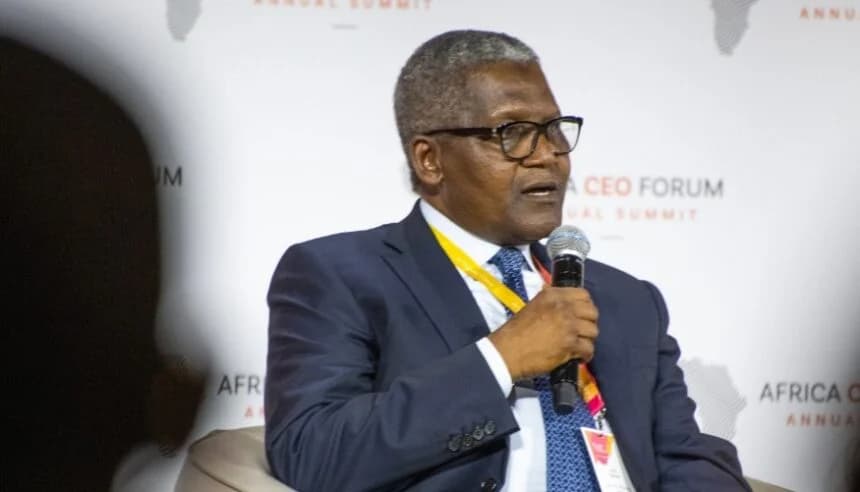
Billionaire industrialist Aliko Dangote told the 32nd Nigerian Economic Summit in Abuja on Monday, October 26, that companies should be able to buy foreign exchange through the market at prevailing rates rather than rely on direct Central Bank of Nigeria allocations, warning that naira cash alone does not solve machinery import needs.
Nigeria’s Net FX Flows Hit $22.5bn in Q2, Highest Since 2019, CBN Bulletin Shows
Nigeria’s net foreign exchange flows rose to $22.50 billion in the second quarter of 2026, the highest quarterly level since Q4 2019, according to the Central Bank of Nigeria’s Q2 2026 Statistical Bulletin, Nairametrics reported.
About the author
Musa Abdullahi
Finance Correspondent
Musa Abdullahi writes for BusinessPress.
More by Musa Abdullahi