Nigerian Banking Stocks Have Rallied 79%, Yet Deep Discounts Persist
Nigerian banking equities have gained about 79% year-to-date, but the sector still trades at deep discounts to book value, Nairametrics reported on Monday, October 26, following the industry’s recapitalisation wave.
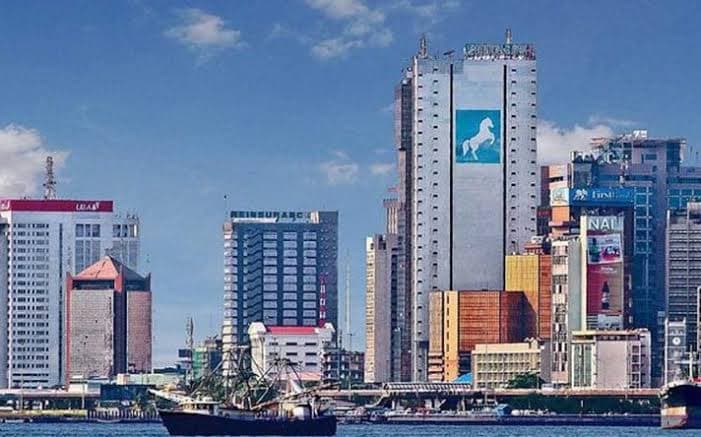
Nigerian banking stocks have rallied about 79% year-to-date on the Nigerian Exchange, yet the sector still trades at deep valuation discounts, Nairametrics reported on Monday, October 26, 2026, in a market data review that quantifies one of 2026’s strangest reconciliations: the country’s best-capitalised, best-earnings banks are still priced as if their recoveries were uncertain.
The rally’s mechanics are conventional. The recapitalisation wave the Central Bank mandated — requiring banks to raise fresh capital in specified tiers — placed Nigerian lenders in the unusual position of selling equity at improving market prices while simultaneously executing the strongest earnings runs in their recent history. Monday’s session showed the current state of demand: the NGX Banking Index rose 2.34% to 2,574.45 points, with First HoldCo up 7.56% to ₦155.00, Access Holdings up 4.15% to ₦27.60, GTCO up 2.54% to ₦125.10 and Zenith Bank up 1.26% to ₦120.90, per Nairametrics’ session data.
The discounts, however, have not closed. Price-to-book multiples across the tier-1 sector remain far below the levels that comparable African and emerging-market franchises attract, a reality investors attribute to persistent naira-devaluation scars, regulatory risk memories and the capital-markets friction that recapitalisation era raises about future dilution.
[irp][irp][irp][irp][irp]
The Recapitalisation Math Behind the Rally
The industry’s recapitalisation deadline has been the single largest story driving bank equity demand since 2024, and its consequences compound through 2026. Banks that raised fresh capital grew their balance sheets into the current credit cycle at杠 scale — funding the corporate, retail and treasury operations whose 2026 profit growth reflects both volume and margin. Industry observers have noted that balance-sheet growth has flowed through to profits in a way the sector’s 2023-24 results never captured, which is precisely why the rally’s 79% may still look modest relative to underlying franchise economics.
The counterpoint is discount persistence itself. Investors have been burned in Nigerian banking before: the 2016 valuation hit that treasured the currency collapse. The deep discounts the market maintains are the residual price of that memory, and they explain why even this rally has left the sector cheap in absolute terms. Whether those discounts close depends on three forward tests: the delivery of post-recapitalisation earnings for at least two full cycles; the durability of the naira’s stability, which the Central Bank has sustained through 2026; and the inflection of the risk premium embedded in yields on the sector’s own dividend payouts.
What It Means For the Wider Market
The banking sector’s re-rating potential carries implications beyond the ledger. Financial stocks hold an outsized weight in the NGX All-Share Index, so a 79% year that still leaves the sector discounted is precisely the setup for the benchmark index to sustain further records without broad-market froth — Monday’s ₦163.16 trillion capitalisation record featured banks contributing meaningful gains alongside the industrial heritage that anchored the session.
For income investors, the setup carries a yield angle. Nigerian banks’ payout ratios and dividend yields sit among the highest in the emerging-market universe while the discount persists, making the sector a natural income-generating allocation for the institutional cash flush, a dynamic that Monday’s liquidity-rich money market conditions amplify. The tension is between near-term income capture and long-term capital gains that require the discount actually to close — a judgement the market has been unwilling to settle before more proof arrives.
Up next
₦800bn Treasury Bills Auction to Test Market as ₦2.26 Trillion CRR Release Fuels System Liquidity
Nigeria’s money market is bracing for an ₦800 billion treasury bills primary auction amid a liquidity surge analysts put near ₦7 trillion, with released cash reserves of about ₦2.26 trillion among the inflows expected to fuel heavy demand for the long-tenor paper.
More in Finance
See all
Zenith Bank proposes 20% higher interim dividend as H1 pre-tax profit rises
The lender reported N637.6 billion in profit before tax for the six months to June, while after-tax earnings fell and the board proposed a N1.50-per-share interim payout.
Firms Should Buy Dollars From the Market, Not CBN Allocations — Dangote Tells Economic Summit
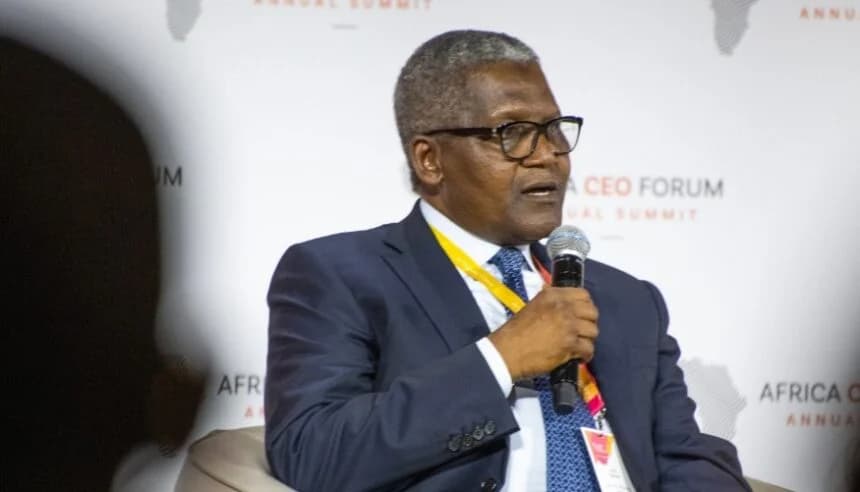
Billionaire industrialist Aliko Dangote told the 32nd Nigerian Economic Summit in Abuja on Monday, October 26, that companies should be able to buy foreign exchange through the market at prevailing rates rather than rely on direct Central Bank of Nigeria allocations, warning that naira cash alone does not solve machinery import needs.
Nigeria’s Net FX Flows Hit $22.5bn in Q2, Highest Since 2019, CBN Bulletin Shows
Nigeria’s net foreign exchange flows rose to $22.50 billion in the second quarter of 2026, the highest quarterly level since Q4 2019, according to the Central Bank of Nigeria’s Q2 2026 Statistical Bulletin, Nairametrics reported.
About the author
Musa Abdullahi
Finance Correspondent
Musa Abdullahi writes for BusinessPress.
More by Musa Abdullahi