SEC opens direct complaints channel for unclaimed dividends and share balances
The Securities and Exchange Commission has launched an Unclaimed Monies Office through which investors can file complaints over unclaimed dividends, share proceeds and balances, with the regulator following up with relevant parties.
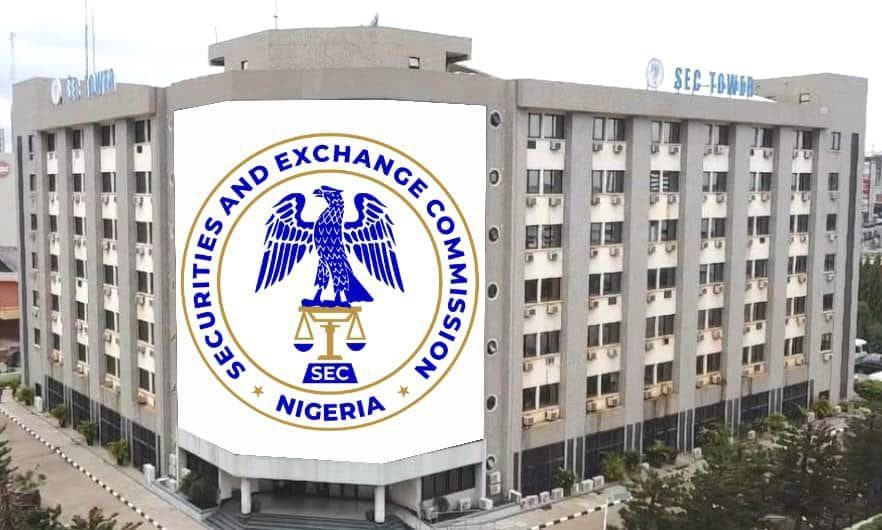
The Securities and Exchange Commission has launched a direct complaints channel for investors seeking to trace dividends, share proceeds and other balances that have gone unclaimed in the Nigerian capital market, with the initiative running through an Unclaimed Monies Office, according to reporting by Business Insider Africa quoting the commission's Director-General, Emomotimi Agama.
Agama announced the platform during an episode of the Duke in Business podcast, where he said investors whose dividends, share balances or proceeds from brokerage accounts had gone missing could now raise complaints directly with the commission. He added that once a complaint reaches the SEC through the new channel, the regulator would follow up on it with the relevant parties, a shift in responsibility for tracing unclaimed instruments from individual investors to the regulator's own machinery.
Why the unclaimed monies problem persists
The scale of unclaimed assets across Nigeria's financial system has grown into a policy issue in its own right. The Central Bank of Nigeria alone held hundreds of billions of naira in dormant account balances as of its last published estimate, and the capital market adds its own layers: dividends that were never collected because investors changed addresses, dematerialised share accounts opened decades ago and abandoned, proceeds from sold securities that were never instructed to be transferred, and signature inconsistencies that froze legacy accounts after mergers of registrars.
The burden historically fell on the investor to navigate registrars, brokers and the Central Securities Clearing System, often with limited documentation, before a dormant balance could be claimed. Because many of the affected securities date back to privatisation-era allotments, deceased estates and pre-BVN address records, some legitimate claims had effectively become untraceable, a frustration regulators described as an obstacle both to investor confidence and to market-depth statistics.
[irp]
What the SEC's office changes
The Unclaimed Monies Office gives investors a single commission-level channel, with the regulator taking investor complaints directly and taking up tracing with registrars, brokers and other intermediaries that hold the underlying records. For investors, the practical route is to file a complaint with the SEC describing the security, the registrar or broker involved, and the documentation in their possession, after which the regulator's follow-up machinery engages the relevant parties.
The initiative aligns with the broader statutory framework. The Finance Act framework created an Unclaimed Funds Trust Fund into which dormant balances in the financial system are paid, but the trust-fund mechanism sits at the level of banks and transfers, not at the capital-market instrument level. A dedicated SEC office closes that gap by handling capital-market assets specifically, which had been the gap in Nigeria's unclaimed-investment architecture.
[irp]
Linkage to the commission's investor-protection agenda
The office also fits SEC's broader investor-protection push, which this year has included investor-education campaigns, tighter supervision of digital asset promoters and pressure on operators over complaints handling. Tracing dormant wealth back to its owners serves the same objective from the other direction: it demonstrates that the market's infrastructure does not extinguish ownership, it merely accumulates claims that the regulator can now help retrieve.
There is a market-development angle as well. Unclaimed dividends and share balances distort shareholder registers, and clearance of dormant holdings improves the accuracy of the investor data on which rights issues, dividend distributions and corporate actions depend. Cleaning up the registers reduces operational errors in shareholder payout systems, a known friction in Nigerian corporate-action processing.
[irp]
What investors should do
Investors who hold legacy share certificates whose registrars have merged, accounts they opened through brokers that have shut down, or simply dividend payments that stopped arriving years ago, are the primary beneficiaries. They should assemble whatever documentation they retain, including old share certificates, broker statements, dividend warrants or bank account records, and file with the commission's complaints platform, while remembering that claims can also be initiated through registrars and CSCS directly.
The test of the office will be outcome data: how many naira of unclaimed dividends and instruments are successfully traced back to owners, and how quickly. Agama's announcement commits the SEC to active follow-up rather than passive record-keeping, a promising shift for a category of investor grievance that had previously produced few recoveries relative to the scale of the funds sitting dormant.
[irp]
Up next
FG accuses Lagos firms of stealing up to 150MW of electricity daily from national grid
The Federal Government has accused some Lagos companies of stealing as much as 150 megawatts daily by connecting factories directly to the national grid without DisCo consent, and intends to recover the charges owed.
More in Finance
See all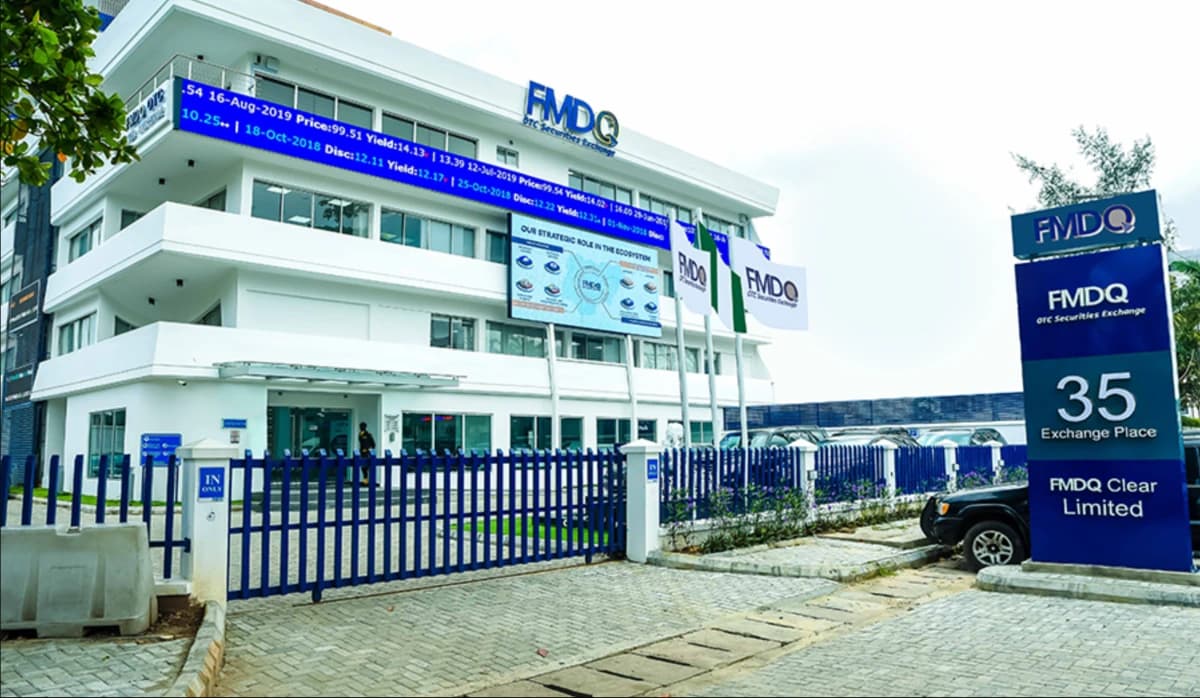
FMDQ turnover hits N551.23trn in nine months as FX and OMO trading lead
FMDQ exchange turnover reached N551.23 trillion in the first nine months of 2026, about $403.08bn, with FX and OMO instruments accounting for nearly two-thirds of an average daily N3.03trn.
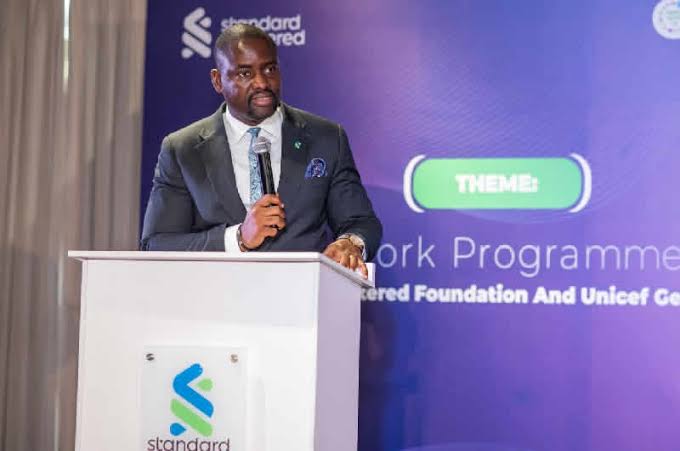
Standard Chartered confirms Adelagun as Nigeria CEO amid foreign-bank reset
The local appointment signals continuity at a key trade-finance bank as foreign lenders reassess risk, capital and growth in Nigeria.
Stablecoins could unlock capital trapped in cross-border payments, Paga CEO says
Digital dollar tokens promise faster, cheaper settlements, but regulation, reserve risk and conversion costs remain unresolved.
About the author
Musa Abdullahi
Finance Correspondent
Musa Abdullahi writes for BusinessPress.