Nigeria’s Net FX Flows Hit $22.5bn in Q2, Highest Since 2019, CBN Bulletin Shows
Nigeria’s net foreign exchange flows rose to $22.50 billion in the second quarter of 2026, the highest quarterly level since Q4 2019, according to the Central Bank of Nigeria’s Q2 2026 Statistical Bulletin, Nairametrics reported.
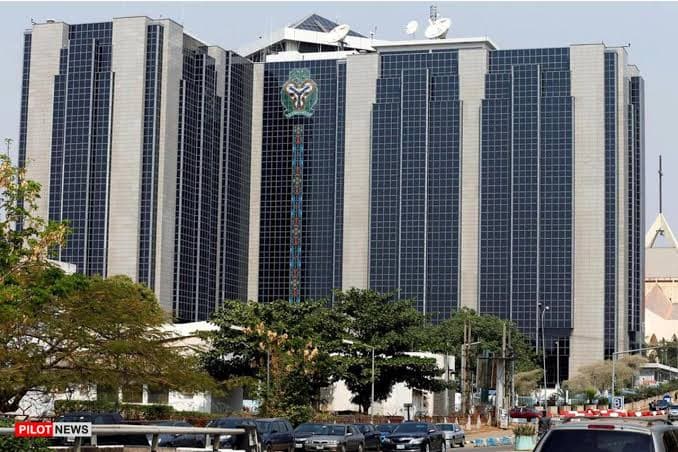
Nigeria’s net foreign exchange flows rose to $22.50 billion in the second quarter of 2026, the highest quarterly level since the fourth quarter of 2019, according to the Central Bank of Nigeria’s Q2 2026 Statistical Bulletin, Nairametrics reported. The bulletin tracks foreign exchange inflows and outflows through the Nigerian economy, providing the most comprehensive official map of the currency system’s underlying currents.
The quarterly figure ranks 12th among Nigeria’s highest quarterly net FX flows in the historical series the bulletin provides, Nairametrics noted — meaning 2026’s recovery, while striking, still sits inside a historical distribution whose 2010s peaks have not yet been recovered. That nuance matters for anyone reading the number as a new era benchmark.
The flows’ composition is what makes the statistic credible. The CBN attributes its improving reserve position — reserves stood at about $55.16 billion in late October, per Daily Post’s citation of CBN data — to remittances growing and investment inflows recovering, THISDAY reported in the Bank’s own words earlier in October. Both channels feed the net-flow ledger: diaspora money through ordinary banking channels, and investors through portfolio and direct investment channels whose 2026 re-rating of Nigerian assets has been documented all year.
[irp][irp][irp][irp][irp]
What Net Flows Do For Stability
Net FX flows are the plumbing behind currency stability. The naira’s official rate held near ₦1,331.28 per dollar on Monday after Friday’s slide, and the system’s ability to absorb such shocks without dislocation depends on the inflow base that this bulletin measures. Gross reserves buffer transitory shocks; persistent net flows determine whether those buffers are refilled. The Q2 result suggests the refill dynamics have turned structurally healthier than in the 2022-2024 trough.
The bulletin’s timing also frames seasonality. Q2 is historically one of Nigeria’s stronger inflow quarters due to remittance patterns tied to religious holidays and mid-year portfolio rebalancing, meaning the Q3 print — which the CBN will publish in the new year — will show how much of the reading is structural re-rating versus seasonal pattern. The Bank’s own public commentary through the year has leaned on the structural interpretation.
Where Readers Should Stay Careful
The statistic has a definitional caveat worth flagging. ‘Net flows’ aggregate the entire FX economy — Official, Exporter, Bureau de Change and informal channels — and the Bulletin’s definitions have evolved, so the series should be read as an economic indicator rather than a hard reconciliation of the balance of payments. Gross inflows include portfolio money that can reverse quickly; the net finance the market watches is what remains after outflows.
Two variables will decide whether the Q2 strength persists into Q4. First, oil: crude has swung violently around the $100-per-barrel WTI mark through October, and production and price levels flow through export receipts. Second, the global rate cycle: the Federal Reserve’s October 28 decision will shape emerging-market portfolio appetite, and a hawkish outcome could slow the investment-channel inflows that the Bulletin’s growth partly rests on.
For now, the datapoint corroborates what markets have been pricing all year: that Nigeria’s FX economy is drawing more genuine inflows than it has in seven years, which is itself the single most important variable behind the currency stability and reserve strength that defined the country’s 2026.
Up next
Nigerian Banking Stocks Have Rallied 79%, Yet Deep Discounts Persist
Nigerian banking equities have gained about 79% year-to-date, but the sector still trades at deep discounts to book value, Nairametrics reported on Monday, October 26, following the industry’s recapitalisation wave.
More in Finance
See all
CBN offers N2trn OMO bills as banks park over N6trn at deposit window
The Central Bank of Nigeria offered N2 trillion in OMO bills on October 22 as commercial banks continued to hold more than N6 trillion at the standing deposit facility.

Abbey Bank set to begin full commercial operations in November as CBN approves upgrade
Abbey Bank transitions from mortgage bank to full commercial bank with approval from the CBN.

Banking system braces for N2.86trn OMO maturities as liquidity surges
Large OMO maturities are set to hit the system as liquidity remains elevated and CBN manages absorption.
About the author
Musa Abdullahi
Finance Correspondent
Musa Abdullahi writes for BusinessPress.
More by Musa Abdullahi