NGX nine-month stock deals surpass N15.06 trillion as liquidity deepens
Nigerian Exchange turnover crossed N15.06 trillion in nine months, signalling deeper liquidity but a market still concentrated in large-cap stocks.
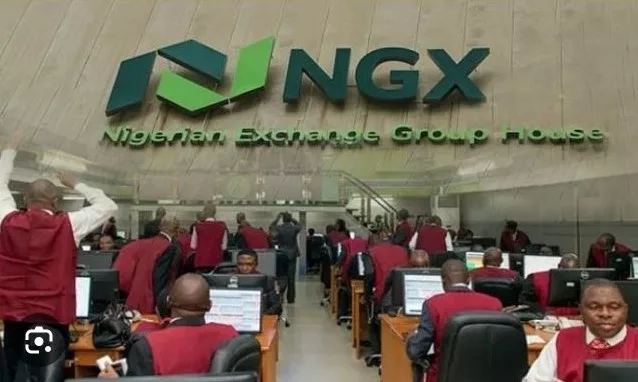
Value traded on the Nigerian Exchange crossed N15.06 trillion in the first nine months of 2026, a threshold that confirms how far the local bourse has moved from the thin, retail-led market that defined the previous decade. The turnover figure, reported by BusinessDay, captures the cumulative value of stock transactions between January and September and places the market on course for one of its strongest full-year liquidity performances.
The number matters less as a record than as a signal. Nigeria’s equity market has absorbed a wave of bank recapitalisation activity, new listings, foreign portfolio flows and domestic institutional money without the recurring settlement strains that once accompanied sharp increases in volume. Market operators say the depth of the order book has improved, even if trading remains concentrated in a relatively small group of large-cap stocks.
Liquidity is the infrastructure of price discovery. A market that can absorb large trades without violent price swings attracts pension funds, insurers and foreign managers who otherwise demand a discount for exit risk. The N15.06 trillion turnover suggests that discount is narrowing, but it does not prove that every listed company benefits.
Where the turnover is coming from
Banking stocks have been the main engine. The sector’s recapitalisation programme forced lenders to raise new capital, and the resulting rights issues, public offers and secondary trading created a steady flow of transactions. Investors have also repositioned around earnings, dividend announcements and the prospect of improved yields on government securities.
Telecommunications and industrial counters remain important, but their contribution is more episodic. A single block trade or index rebalancing can lift monthly turnover without indicating a durable increase in participation. That distinction matters for regulators and exchange operators who want to build a market that serves small and medium-sized companies, not just the largest issuers.
Domestic pension money has become more influential. Pension fund administrators have gradually raised equity allocations within regulatory limits, and their participation has helped stabilise demand during periods of foreign outflow. The market is still sensitive to global risk appetite, but the domestic bid is now large enough to matter.
The quality question
High turnover is not automatically healthy. If most of the value comes from a handful of stocks, the market can appear liquid while remaining fragile for anyone holding a mid-cap or small-cap position. Investors in those names still face wide bid-ask spreads, long execution times and sharp price gaps when a large seller appears.
The Exchange has tried to address this through market-making incentives, improved disclosure and new listing rules. Those efforts are beginning to show results, but the gap between the most traded stocks and the rest of the market remains wide. A deeper market would require more free float, more research coverage and more institutional participation beyond the banking sector.
Turnover also reflects the composition of ownership. When founders and strategic investors hold large stakes, the shares available for trading are limited. That can amplify price movements and make turnover statistics look stronger than the underlying investable universe. Increasing free float is therefore as important as attracting new buyers.
What it means for investors
For fund managers, the improvement in liquidity lowers the cost of building and exiting positions. It also makes it easier to benchmark against the index without moving prices. That is a modest but real benefit for pension contributors and unit trust holders whose savings are invested in Nigerian equities.
For companies considering a listing, the evidence is more encouraging than before. A market that trades N15 trillion in nine months offers a credible route to capital, provided the issuer is large enough and the story is clear. Smaller companies may still struggle to attract attention, but the overall environment is more supportive than it was when turnover was a fraction of today’s level.
For policymakers, the lesson is that liquidity follows confidence. Macroeconomic stability, predictable foreign-exchange rules and credible corporate governance do more for the market than promotional campaigns. The turnover milestone is welcome, but it is a by-product of those fundamentals rather than a substitute for them.
The road to a deeper market
The next phase will depend on whether the market can broaden participation. That means more retail investors using low-cost platforms, more domestic institutions allocating to equities and more companies willing to list. It also means addressing the structural issues that keep some large Nigerian businesses private, including valuation uncertainty and the perceived cost of disclosure.
The N15.06 trillion figure is therefore best read as evidence of progress, not completion. Nigeria’s market is more liquid than it was, but it is not yet deep enough to absorb shocks without government support or to finance the entire corporate sector on its own. The challenge is to convert cyclical turnover into permanent market depth.
Investors should watch the concentration of trading, the pace of new listings and the behaviour of pension funds in the coming quarters. If turnover continues to rise while the number of actively traded companies expands, the market is becoming genuinely stronger. If the gains remain confined to a few counters, the milestone will look more like a peak than a foundation.
Up next
Unilever Nigeria posts N184 billion Q3 revenue and N26.4 billion profit
Unilever sustained profitable growth despite consumer pressure, declaring an interim dividend as pricing and cost controls protected margins.
More in Markets
See all
NGX market capitalisation tops N164 trillion on bank-led rally
A sustained run in financial-sector stocks lifted the value of the Nigerian Exchange to a record N164 trillion at the end of September, capping one of the strongest equity rallies in years.

First HoldCo shares jump 10% as nine-month profit rises 60.84%
First HoldCo shares rose 10% after pre-tax profit climbed to N911.24 billion, prompting investors to reprice the banking group’s earnings outlook.
NGX RegCo fines 15 listed companies N123.17m for late filings as experts call for tougher sanctions
NGX Regulation imposed N123.17m in penalties across 15 companies, renewing debate over enforcement.
About the author
Adaeze Okonkwo
Markets Editor
Adaeze Okonkwo writes for BusinessPress.
More by Adaeze Okonkwo