NEC approves 90-day plan to cut food costs and ease living crisis
The short-term plan targets production, transport and market bottlenecks, but structural food insecurity will require longer-term investment.
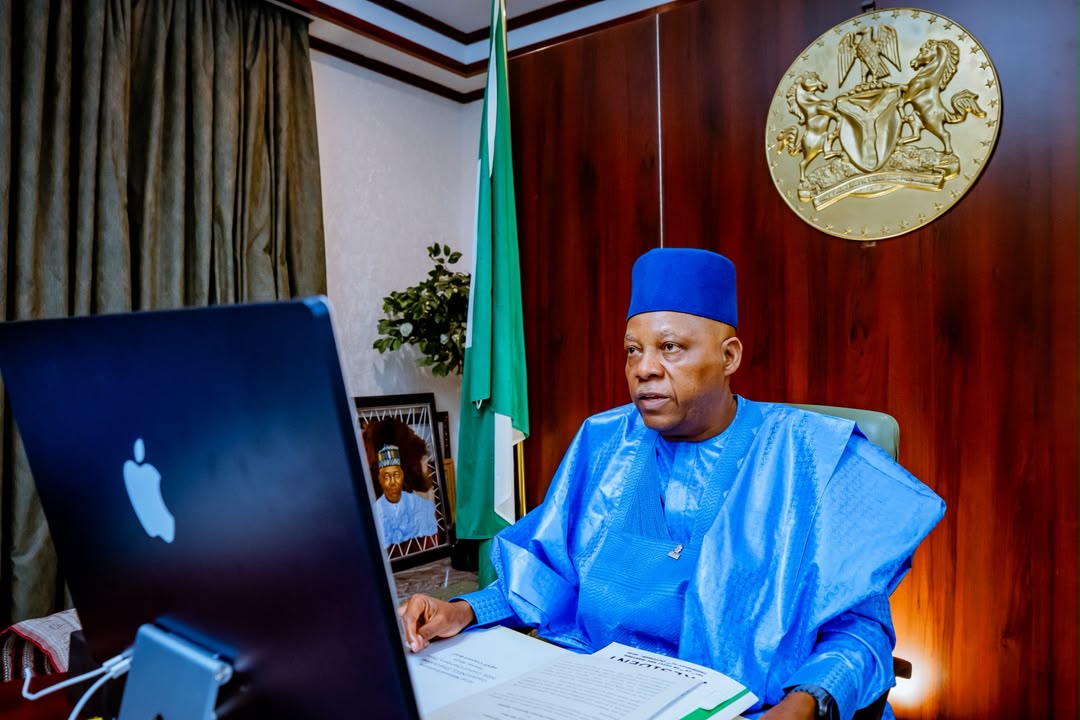
The National Economic Council has approved a 90-day plan to cut food costs and ease Nigeria’s cost-of-living crisis, according to Nairametrics. The plan is intended to reduce prices through a combination of production support, market interventions and targeted relief.
Food inflation has become one of the most visible symptoms of Nigeria’s economic stress. Prices of rice, beans, tomatoes, cooking oil and protein have risen sharply, forcing households to cut consumption and change their diets.
A 90-day timeline is ambitious. Agricultural production cycles are longer than three months, and structural problems such as poor infrastructure, insecurity and weak storage cannot be fixed quickly. The plan is therefore likely to focus on immediate bottlenecks rather than long-term transformation.
What the plan might include
Short-term interventions could include releasing grain reserves, reducing transport costs and improving market access. The government may also provide cash transfers or food vouchers to vulnerable households.
Support for farmers could include fertiliser distribution, seeds and credit. If timed correctly, these inputs could boost the next harvest and reduce prices later in the year.
Market regulation is another option. The government could crack down on hoarding, price gouging and illegal levies at markets. Those measures can provide temporary relief but are difficult to enforce.
The political pressure
Food prices are politically sensitive. Rising costs have eroded support for the government and fueled criticism from opposition parties. The 2027 election is already shaping policy decisions.
A 90-day plan allows the government to show action without committing to a long-term strategy. But if prices do not fall, the public may see it as another empty promise.
The plan must be credible. Announcements without funding or implementation capacity will not change anything.
The structural issues
Nigeria’s food system is inefficient. Farmers face high input costs, poor extension services and limited access to markets. Post-harvest losses are large because storage and transport are inadequate.
Insecurity in farming regions has displaced farmers and disrupted production. Climate change is increasing the frequency of droughts and floods.
Trade policy has also played a role. Restrictions on imports can protect local producers, but they can raise prices if domestic supply is insufficient.
What would work
A credible food strategy would combine short-term relief with long-term investment. The government should release reserves to ease immediate shortages while investing in irrigation, storage and rural roads.
It should also strengthen extension services and provide farmers with better seeds and fertiliser. Access to credit is essential, particularly for smallholders who cannot self-finance.
Market reforms should reduce arbitrary levies and improve transparency. Digital platforms can connect farmers to buyers and reduce the role of intermediaries.
The risks
The biggest risk is that the plan becomes a subsidy programme that benefits intermediaries rather than consumers. Fertiliser and cash transfers can be diverted if distribution is not transparent.
Another risk is that price controls or import bans create shortages. Markets need clear rules, not arbitrary intervention.
Fiscal constraints are also significant. The government has limited resources, and competing demands for security, infrastructure and debt service are intense.
The outlook
The 90-day plan is a test of the government’s ability to execute. If it delivers visible relief, it could restore some public confidence. If it fails, the cost-of-living crisis will deepen.
Food security is a long-term challenge that requires sustained investment. A 90-day plan can only be a start.
Policymakers should be honest about what can be achieved in three months. Setting unrealistic expectations will undermine credibility.
Up next
Nigeria develops disease-resistant ginger to revive $730 million industry
New resistant planting materials could cut crop losses and lift exports, but commercial seed supply and processing gaps remain.
More in Agriculture
See all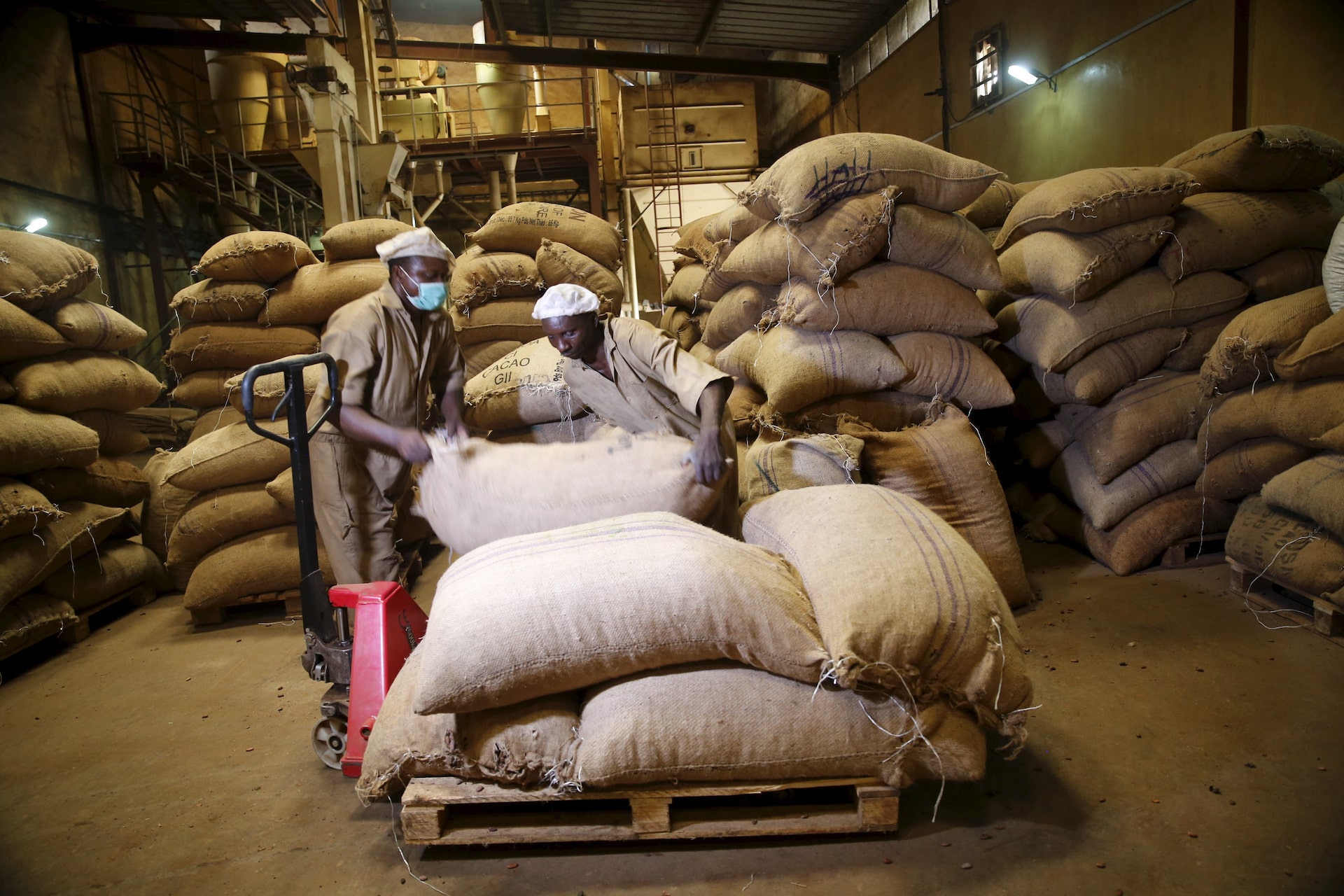
Fertiliser, Cocoa Lead Nigeria's Non-Oil Export Surge
Fertiliser has emerged as a top non-oil export earner alongside cocoa as Nigeria's industrial and agricultural shipments gain momentum in its diversification drive.
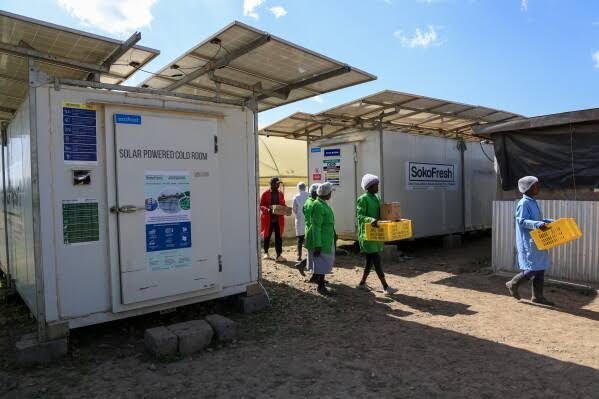
UK Clean Energy Fund Backs Solar Cold Storage for Nigerian Food Markets
More than £2 million from the UK's ZE-Gen Scale-up Fund will back ten African clean energy projects, including 100 solar cold storage units and four solar agricultural hubs in Nigeria.

WACOT Renews Edo State Fertiliser Partnership to Expand Input Supply
WACOT Limited has renewed its agreement with the Edo State Government on fertiliser production through the Edo State Fertilizer and Chemical Company, a partnership that began in 2017.
About the author
Tunde Balogun
Economics Correspondent
Tunde Balogun writes for BusinessPress.