CBN sells N2.63 trillion OMO bills as banks chase higher stop rates
The CBN sold N629 billion more OMO paper than offered, showing abundant bank liquidity and a tightening bias that could keep credit costly.
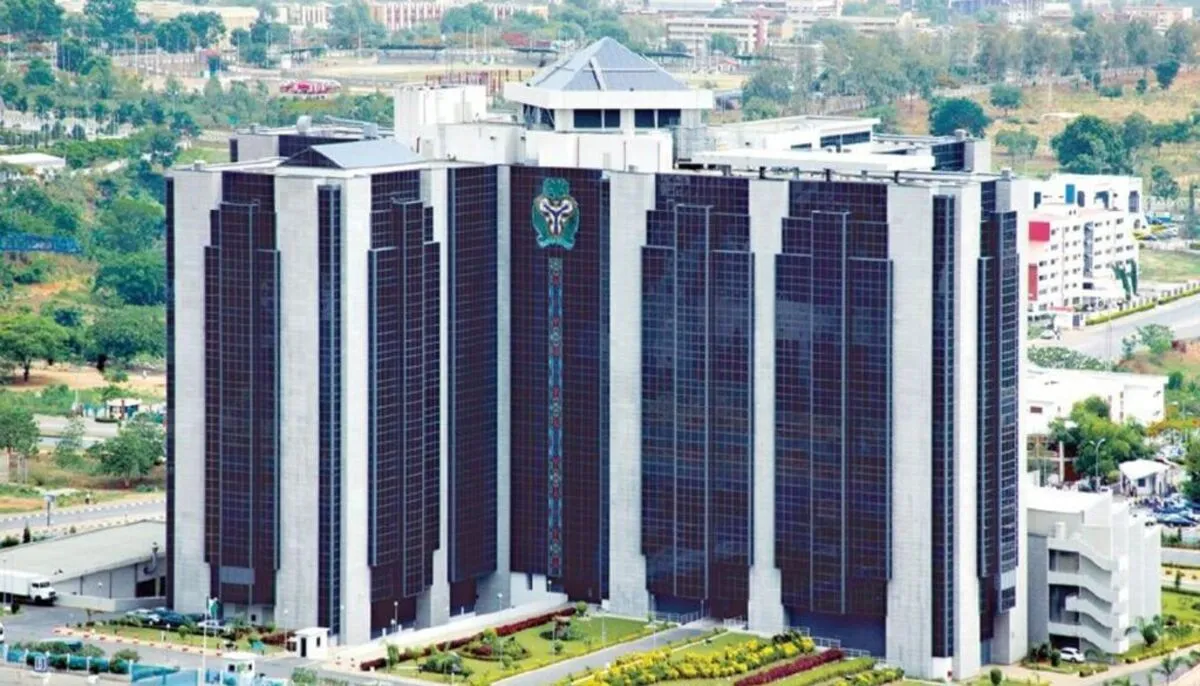
The Central Bank of Nigeria sold N2.63 trillion of Open Market Operations bills on October 23, 2026, N629 billion more than it initially offered, as banks competed aggressively for the paper and stop rates moved higher. The oversubscription showed that liquidity remains abundant in the banking system despite repeated efforts to mop it up.
OMO bills are short-term instruments the central bank uses to absorb excess naira liquidity. When banks have more cash than they can lend profitably, they park it with the CBN. The resulting inflow helps the central bank manage money supply, support the exchange rate and influence short-term interest rates.
The fact that the sale was oversubscribed by nearly a third is significant. It means the CBN did not have to force the market to take the paper. Banks wanted the yield and the safety, even as stop rates rose. That combination tells us a lot about the state of liquidity and the competition for high-quality assets.
Why banks are parking cash
Banks are holding large volumes of cash because deposit growth has outpaced lending. Households and businesses are keeping more money in naira accounts amid uncertainty about the currency and the economy. At the same time, lenders have become more cautious about credit risk, particularly for small businesses and consumers.
The result is a gap between deposits and loans. Rather than hold idle cash, banks buy Treasury bills, OMO bills and other short-term securities. These instruments offer a return, carry little credit risk and can be sold or pledged when liquidity is needed.
Regulatory requirements also encourage this behaviour. Banks must hold liquid assets to meet withdrawals and collateral demands. In a period of exchange-rate volatility, having a buffer of short-term government paper is prudent, even if it compresses lending margins.
The yield signal
Rising stop rates indicate that the CBN is willing to pay more to drain liquidity. That can be a deliberate tightening signal, or it can reflect the market’s demand for compensation as inflation and currency risk rise. Either way, higher short-term yields feed into the cost of funding for the government and the private sector.
For borrowers, the implication is that credit will not become cheaper quickly. If banks can earn attractive returns from risk-free paper, they have less incentive to lend to businesses at similar rates. The spread between OMO yields and lending rates must widen enough to compensate for credit risk, which pushes up the cost of capital.
For the CBN, the challenge is to drain enough liquidity to support the naira without starving the economy of credit. Too much mopping can push rates too high and slow investment. Too little can weaken the currency and fuel inflation. The N2.63 trillion sale suggests the balance is still tilted toward tightening.
The fiscal connection
OMO sales also affect the government’s borrowing costs. When the central bank pays higher yields on its bills, the government’s own short-term instruments must compete. That can raise the cost of financing the deficit and crowd out private borrowers.
The federal government has relied heavily on domestic borrowing to fund its budget. If short-term rates remain elevated, the debt-service burden will grow, leaving less room for capital spending. That is a structural problem that cannot be solved by liquidity management alone.
Investors should watch the maturity profile of the OMO stock. A large volume of short-dated bills creates refinancing risk and keeps the market focused on rollover rather than long-term investment. The CBN’s ability to manage that profile will determine how much control it has over liquidity in the months ahead.
What happens next
The oversubscription is likely to encourage the CBN to continue using OMO sales as its main liquidity tool. That approach is flexible and can be adjusted quickly, unlike changes to the cash reserve ratio or the policy rate. It also allows the central bank to target specific maturities and yields.
But OMO sales are not a substitute for deeper reforms. Nigeria needs a functioning foreign-exchange market, a credible fiscal path and a banking system that is willing to lend. Without those, the central bank will keep mopping up liquidity that the economy needs for investment.
For now, the message to markets is clear: liquidity is abundant, but it is not free. Banks are being paid to hold government paper, and the CBN is prepared to pay up to keep the naira stable. The cost of that policy will be borne by borrowers, savers and ultimately the taxpayer.
Up next
First HoldCo shares jump 10% as nine-month profit rises 60.84%
First HoldCo shares rose 10% after pre-tax profit climbed to N911.24 billion, prompting investors to reprice the banking group’s earnings outlook.
More in Markets
See all
FMDA week ended October 16: Nigeria 10-year yield rises 46bps to 17.05%, only increase tracked
Nigeria was the only market among seven tracked to see a rise in 10-year yields as liquidity surged.

NASD OTC Indices Rise on Shrinking Turnover as Traded Value Falls to N22m
The NASD National Securities Index gained 0.54 per cent to 4,355.33 on October 20 while volume fell 30.92 per cent and traded value dropped 17.10 per cent to N22,222,823.70, leaving the over-the-counter board as a thin quoting venue rather than a liquidity market.
DMO Rejects Higher Yield Demands and Allots N269 Billion at Treasury Bill Auction
Investors bid up to 18.18 per cent on the one-year bill but the Debt Management Office allotted only N269.06 billion against N450 billion offered, rejecting about 78 per cent of 364-day bids to keep a lid on borrowing costs after the rate cut.
About the author
Adaeze Okonkwo
Markets Editor
Adaeze Okonkwo writes for BusinessPress.
More by Adaeze Okonkwo