Nigeria develops disease-resistant ginger to revive $730 million industry
New resistant planting materials could cut crop losses and lift exports, but commercial seed supply and processing gaps remain.
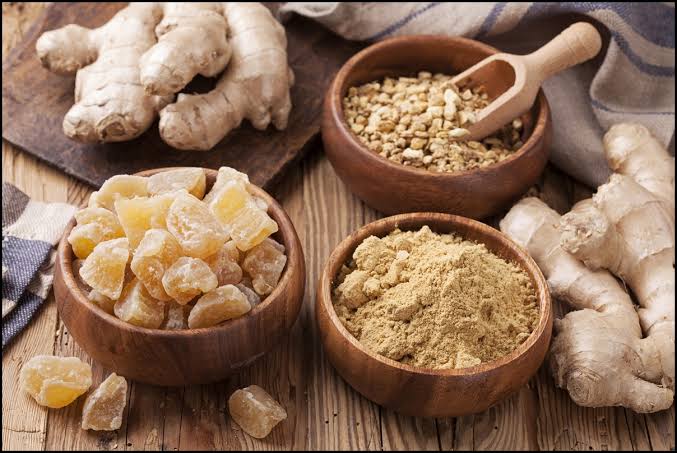
Nigeria has developed disease-resistant ginger materials in an effort to revive a $730 million industry, according to BusinessDay, a research breakthrough that could help farmers recover from losses caused by fungal disease and improve export earnings. Ginger is one of Nigeria’s most valuable agricultural exports, but production has been hit by disease and poor planting materials.
Ginger is used in food, beverages, pharmaceuticals and cosmetics. Global demand has grown, particularly for ginger extracts and essential oils. Nigeria is one of the world’s largest producers, but its share of the high-value processed market is small.
The new disease-resistant varieties could improve yields, reduce crop losses and make Nigerian ginger more competitive. But the benefits depend on whether farmers can access the materials and adopt good agronomic practices.
The disease problem
Ginger production in Nigeria has been devastated by rhizome rot, a fungal disease that attacks the plant’s underground stem. The disease spreads through infected seed material and soil, and it can wipe out entire farms.
Farmers often save rhizomes from their own harvest for planting, which perpetuates the disease. Clean planting material is scarce and expensive, and many farmers cannot afford to replace their stock.
Climate change is making the problem worse. Erratic rainfall and higher temperatures create conditions that favor fungal growth and reduce plant vigor.
Why the breakthrough matters
Disease-resistant varieties can break the cycle of infection. If farmers plant clean, resistant material, they can reduce losses and rebuild production.
The research also strengthens Nigeria’s position in the global ginger market. Buyers increasingly demand consistent quality and traceability. A reliable supply of healthy ginger can help Nigeria capture more export value.
The $730 million figure reflects the industry’s potential, not its current output. Realizing that potential requires investment in processing, storage and marketing, not just better seeds.
The commercialization challenge
Research breakthroughs often remain in laboratories because there is no system to multiply and distribute improved materials. Nigeria needs a commercial seed system that can produce enough disease-resistant rhizomes for farmers.
Extension services must teach farmers how to manage the new varieties, including spacing, fertilization and pest control. Without training, the benefits may not materialize.
Access to finance is another constraint. Smallholder farmers need credit to buy planting material, inputs and equipment. Without it, adoption will be slow.
The export opportunity
Nigeria exports ginger mainly as dried split rhizomes, which are a low-value product. Processed ginger, including powder, oil and oleoresin, commands much higher prices.
Developing a processing industry would create jobs, increase export earnings and reduce exposure to commodity price swings. It would also require investment in technology, quality control and market linkages.
International buyers are increasingly interested in sustainable and traceable supply chains. Nigeria can differentiate its ginger by investing in organic certification and good agricultural practices.
The risks
Disease-resistant varieties are not immune to all diseases. Farmers must still practice crop rotation, soil management and sanitation. Overreliance on a single variety can create new vulnerabilities.
Climate change remains a threat. Higher temperatures and unpredictable rainfall can affect yields even with resistant varieties.
Market risk is also significant. Global ginger prices are volatile, and competition from other producers is strong. Nigeria needs to improve quality and reliability to compete.
The outlook
The development of disease-resistant ginger is a positive step. It shows what research can achieve when it is targeted at a specific problem.
But science alone is not enough. Nigeria needs a functioning value chain, from clean planting material to processing and export. That requires coordination between researchers, farmers, processors and government agencies.
If the breakthrough is commercialized successfully, it could revive a valuable industry and improve livelihoods in ginger-producing states. If it stays on the shelf, the $730 million opportunity will remain unrealized.
Up next
NAFDAC, agriculture ministry trade blame as unsafe food floods markets
Overlapping mandates and weak enforcement are allowing contaminated food into Nigerian markets, with serious health and economic costs.
More in Agriculture
See all
Shettima sets up technical committee for wheat, staples, livestock
Vice-President Kashim Shettima has constituted a technical committee to develop interventions in wheat, staple crops and livestock, though no deadline or funding has been announced.
Fertiliser summit pushes soil intelligence to boost food security
Experts at the 2026 Nigeria Fertiliser Summit called for better soil data, targeted nutrient recommendations and stronger coordination to improve agricultural productivity.
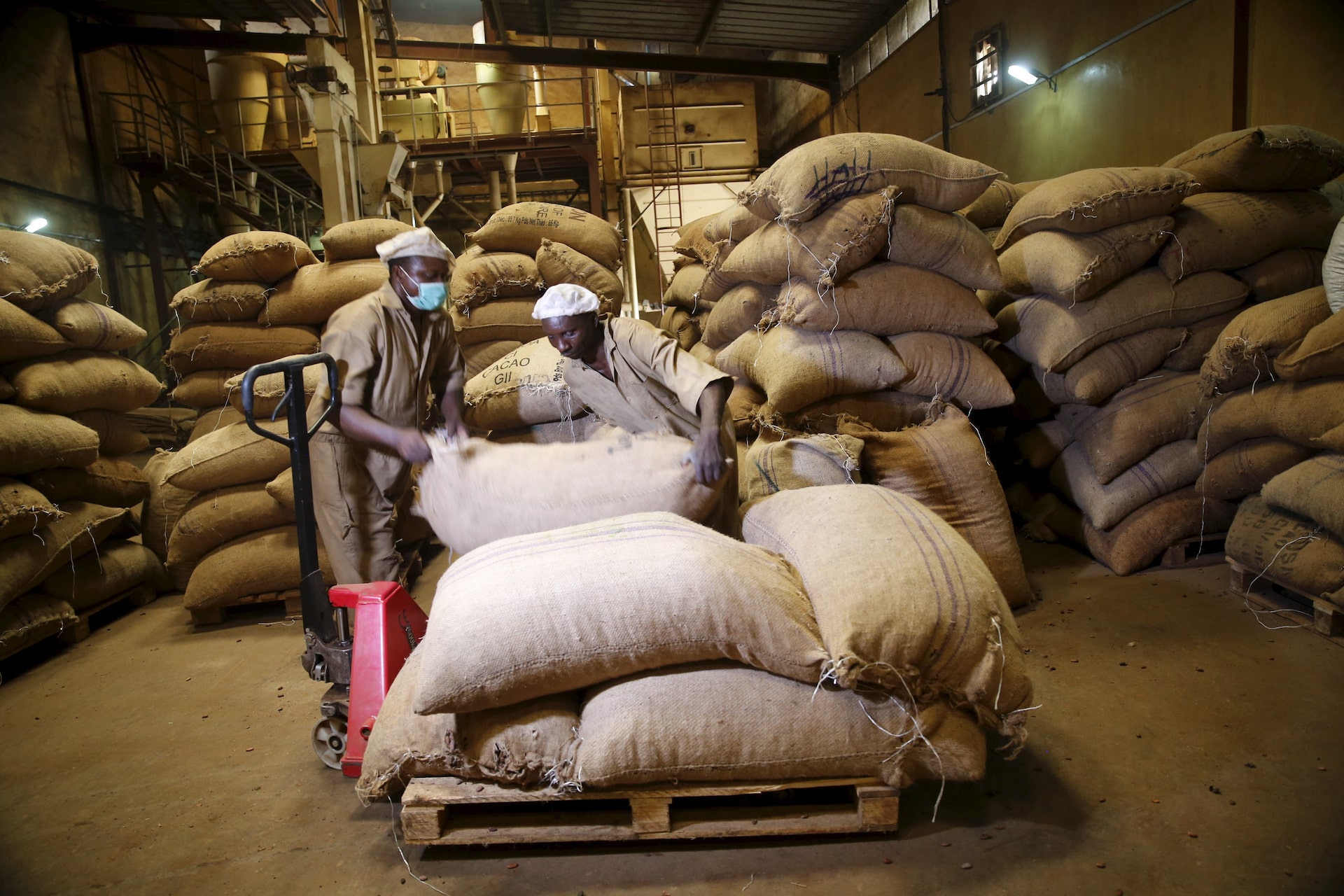
Fertiliser, Cocoa Lead Nigeria's Non-Oil Export Surge
Fertiliser has emerged as a top non-oil export earner alongside cocoa as Nigeria's industrial and agricultural shipments gain momentum in its diversification drive.
About the author
Abena Ofori
Agribusiness Correspondent
Abena Ofori writes for BusinessPress.