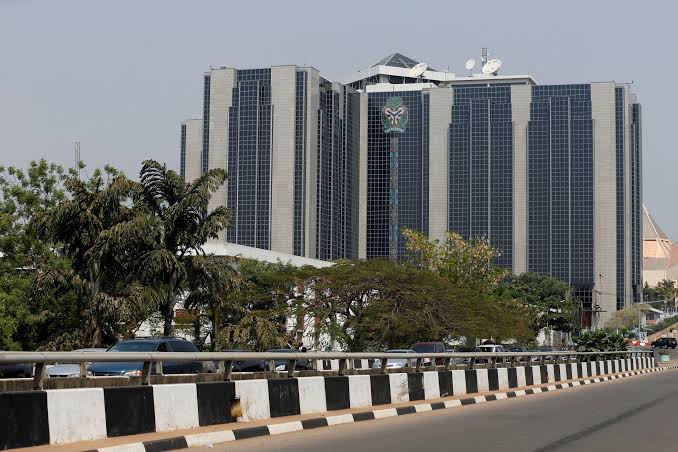
Naira Firms to N1,332/$ Ahead of September Inflation Report
The naira strengthened at the official window while holding near N1,358 in the parallel market as traders positioned for the September inflation release.
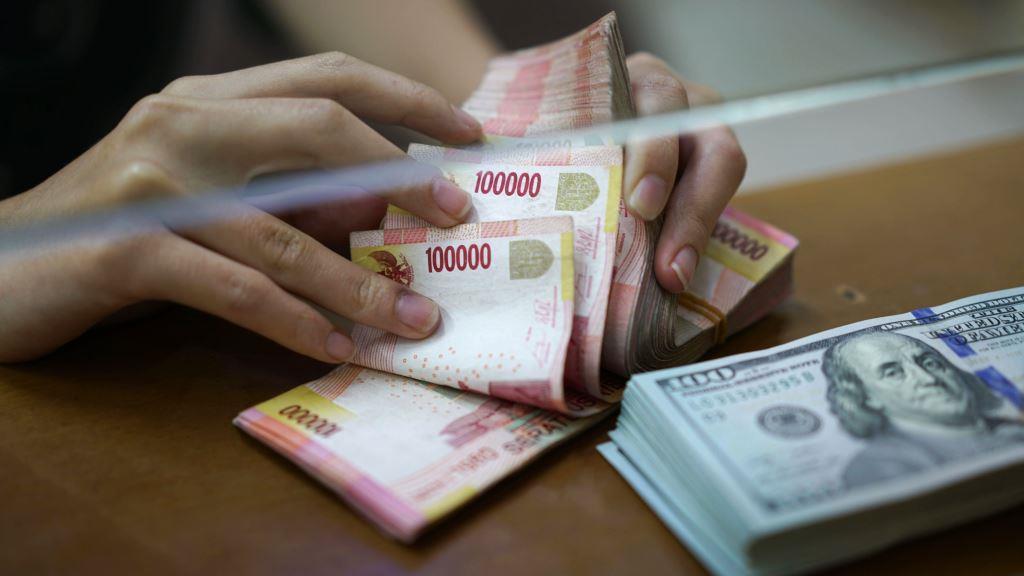
The naira strengthened at the official window and held relatively steady in the parallel market as traders positioned ahead of the September inflation report, with the currency quoted around N1,332 to N1,333 to the dollar on the Nigerian Autonomous Foreign Exchange Market.
The external rate contrasted with a parallel-market quote of roughly N1,358 to the dollar, leaving a modest gap between the two windows. The relatively narrow spread reflects the broad convergence achieved over the past year, even as pockets of divergence persist.
The currency's firmness comes as the market awaits the National Bureau of Statistics' September consumer price data, which analysts expect to show inflation easing. A softer inflation print would reinforce the case for a stable or strengthening naira by supporting the central bank's easing posture and improving the real return on local assets.
What is holding the naira up
Three supports stand out. Stronger oil output and record external reserves have improved the supply of dollars. Lower central bank intervention — FX sales are at a 19-year low — has coincided with a market that is no longer screaming for liquidity. And improved investor sentiment around Nigerian assets, including high yields on government securities, has drawn portfolio inflows that add to dollar supply.
None of these is permanent. Oil prices are volatile, and the same $100 crude that helps the fiscal account can cut both ways if it slows global growth. Portfolio flows are by nature fickle. The durability of naira stability therefore depends on structural supply — exports, remittances and non-oil foreign earnings — rather than on transient inflows.
The parallel-market tell
The black-market rate is the sentiment barometer. A spread that stays narrow suggests confidence that official channels can meet demand; a widening spread would signal renewed scarcity and arbitrage. At roughly N1,358, the parallel rate indicates that the gap is contained but not eliminated — and that demand still leans on informal channels.
What to watch
Investors will track the inflation print, the pace of foreign reserves accumulation and any shift in central bank FX policy. For a currency that spent much of the reform period under pressure, this week's firmness is a welcome data point. Whether it becomes a trend will depend on the same fundamentals — fiscal discipline, export growth and price stability — that determine everything else in Nigeria's macro story.
Up next
Nigeria's September Inflation Seen Easing to About 15.5% Ahead of NBS Release
Analysts project headline inflation near 15.5% as disinflation continues, though high oil prices and sticky food costs keep the single-digit target at a distance.
More in Markets
See all
Oil Prices Slide as Geopolitical Risk Premium Eases, Weighing on Nigeria's Outlook
Brent slipped toward $104 and WTI to about $94 as supply-route fears eased, a move with direct consequences for Nigeria's budget and FX earnings.

NGX Rebounds as Banking and Small-Cap Stocks Lift Market Value by N103.9 Billion
The Nigerian Exchange closed higher on Wednesday as late buying in banking and selected industrial counters lifted market value by N103.90 billion, ending two sessions of declines.
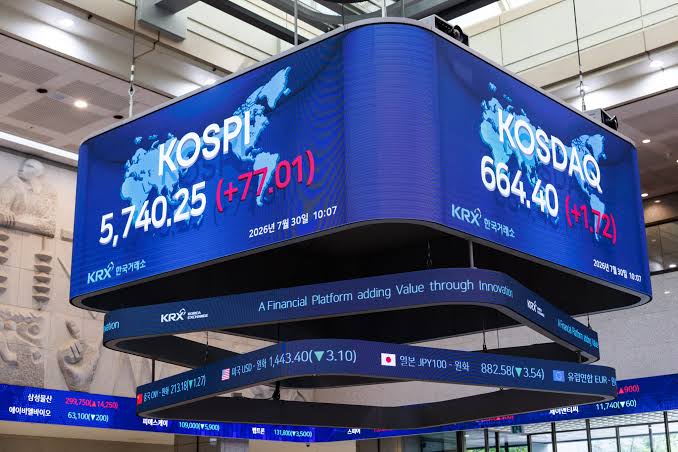
Allan Gray Favours Nigerian Stocks Over South Korea's Kospi
South Africa's Allan Gray is favouring Nigerian equities over South Korea's Kospi, arguing Nigeria's rally is broad-based while the Kospi is narrowly concentrated.
About the author
Adaeze Okonkwo
Markets Editor
Adaeze Okonkwo writes for BusinessPress.