
UBS Upgrade Sends Rivian Shares Up 10 Percent
Rivian climbed 10 percent after UBS upgraded the EV maker to buy, arguing the sell-off overdone ahead of a sales inflection for the R2 midsize SUV.
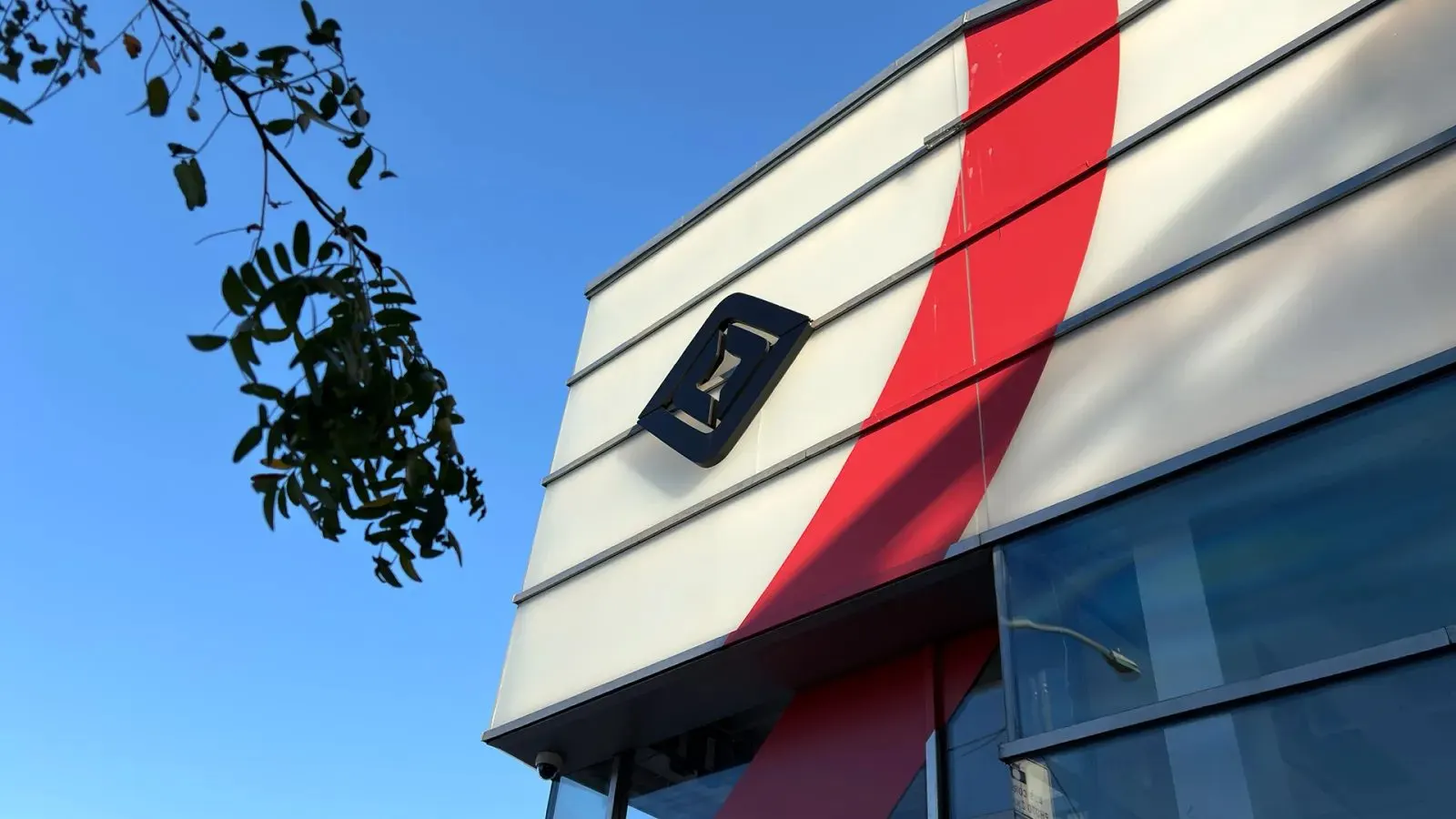
Rivian shares climbed 10 percent on Monday after UBS upgraded the electric-vehicle maker to buy from neutral, with analyst Joseph Spak arguing the recent sell-off has created a buying opportunity ahead of an inflection point in R2 midsize SUV sales — a call that landed as the strongest single signal of confidence in the EV sector's second wave this quarter and the latest evidence that positioning, not fundamentals, has been the marginal driver of electric-vehicle equities through the autumn.
The upgrade matters because of the market's current mood. EV names have been repriced down through 2026 on demand-deceleration fears, competitive pressure and the AI-rotation that has pulled growth capital elsewhere, and UBS's core argument — that the sell-off overshoots the fundamentals ahead of a volume catalyst — frames the coming product cycle as the proof point for the whole segment.
The R2 is the whole story
Rivian's commercial future now runs through the R2, the midsize SUV slotted below the company's premium R1 trucks and SUVs in price and aimed at the mainstream segment where volume EV demand lives. The inflection UBS references is the production ramp for the vehicle, whose plant capacity, tooling and launch timing define whether Rivian stops being a niche premium producer and becomes a volume manufacturer — the transition every EV upstart must survive.
The math of that transition is the reason analysts give the ramp such weight. Volume production spreads fixed manufacturing costs across many more units, captures the scale pricing on batteries and electronics that premium volumes cannot command, and opens the fleet, enterprise and leasing channels where monthly volumes compound. A successful R2 ramp bends the cash-burn curve; a stumble delays the crossover that the entire valuation rests on.
What the upgrade says about auto sector rotation
The call also reads as a bear-market-in-one-stock bet. UBS's argument that the recent sell-off is a buying opportunity is a statement about valuation resetting — that the market has priced Rivian as if the R2 will fail, and that a credible ramp narrative changes the risk-reward immediately. Auto analysts have been through this cycle before: the gap between feared EV demand collapse and actual volume growth has repeatedly been the sector's profit pool for contrarians.
The 10 percent single-day move shows how thin positioning had become in the name: when a stock can rally double digits on an analyst rating alone, the seller base is exhausted, and the hedges have been exited — a configuration in which positive catalysts move prices disproportionately in both directions.
The EV sector's second act
The demand context surrounding the upgrade is genuinely mixed. Global EV adoption keeps rising in absolute units, but growth in several developed markets has cooled from earlier forecasts as early adopters complete their first purchases and interest rates press monthly payments; meanwhile, charging infrastructure buildout, battery cost curves and policy support keep improving. The companies that survive this washout phase tend to exit it with better unit economics and defensible manufacturing scale — the thesis UBS is underwriting with the Rivian call.
Rivian's own financial runway is the other variable the market watches. The company has restructured costs, renegotiated supplier agreements, and cut production complexity to extend cash reserves — moves that matter because the R2 ramp will consume capital before it produces free cash flow. The upgrade's conviction rests on the assumption that the cash bridge holds long enough for volume economics to arrive; that is the same bet on every EV maker at this stage, and the reason the tape prices them as a bloc.
For investors tracking the auto supply chain — including the African and emerging-market battery-materials and components ecosystem that feeds global EV assembly — an R2-scale ramp would be an incremental demand signal with real downstream implications: volumes of that size ripple into cathode materials, aluminium castings and semiconductor allocations, and the suppliers with capacity positioned for a 2027 delivery window are the ones who feel the next uptick first.
Up next
IDEXX Soars 20 Percent on Record Pet-Diagnostics Quarter
IDEXX Laboratories jumped 20 percent after third-quarter revenue of $1.21 billion beat estimates and the company raised 2026 revenue and earnings guidance.
More in Markets
See allNGX Rebounds as Banking and Small-Cap Stocks Lift Market Value by N103.9 Billion
The Nigerian Exchange closed higher on Wednesday as late buying in banking and selected industrial counters lifted market value by N103.90 billion, ending two sessions of declines.
Multi-Trex Shares Gain 17.95% After NGX Ends 8-Year Suspension
Multi-Trex Integrated Foods shares have risen 17.95% since the NGX lifted an eight-year trading suspension, even as the cocoa processor remains loss-making.
NGX Sheds N144.54bn as Profit-Taking Persists
The NGX All-Share Index fell 0.09% to 247,513.63 as profit-taking in heavyweight stocks wiped N144.54 billion off market capitalisation.
About the author
Abiodun Abdullahi
Author / Business and Markets Writer
Abiodun Abdullahi writes for BusinessPress.
More by Abiodun Abdullahi


