Nigeria's September Inflation Seen Easing to About 15.5% Ahead of NBS Release
Analysts project headline inflation near 15.5% as disinflation continues, though high oil prices and sticky food costs keep the single-digit target at a distance.
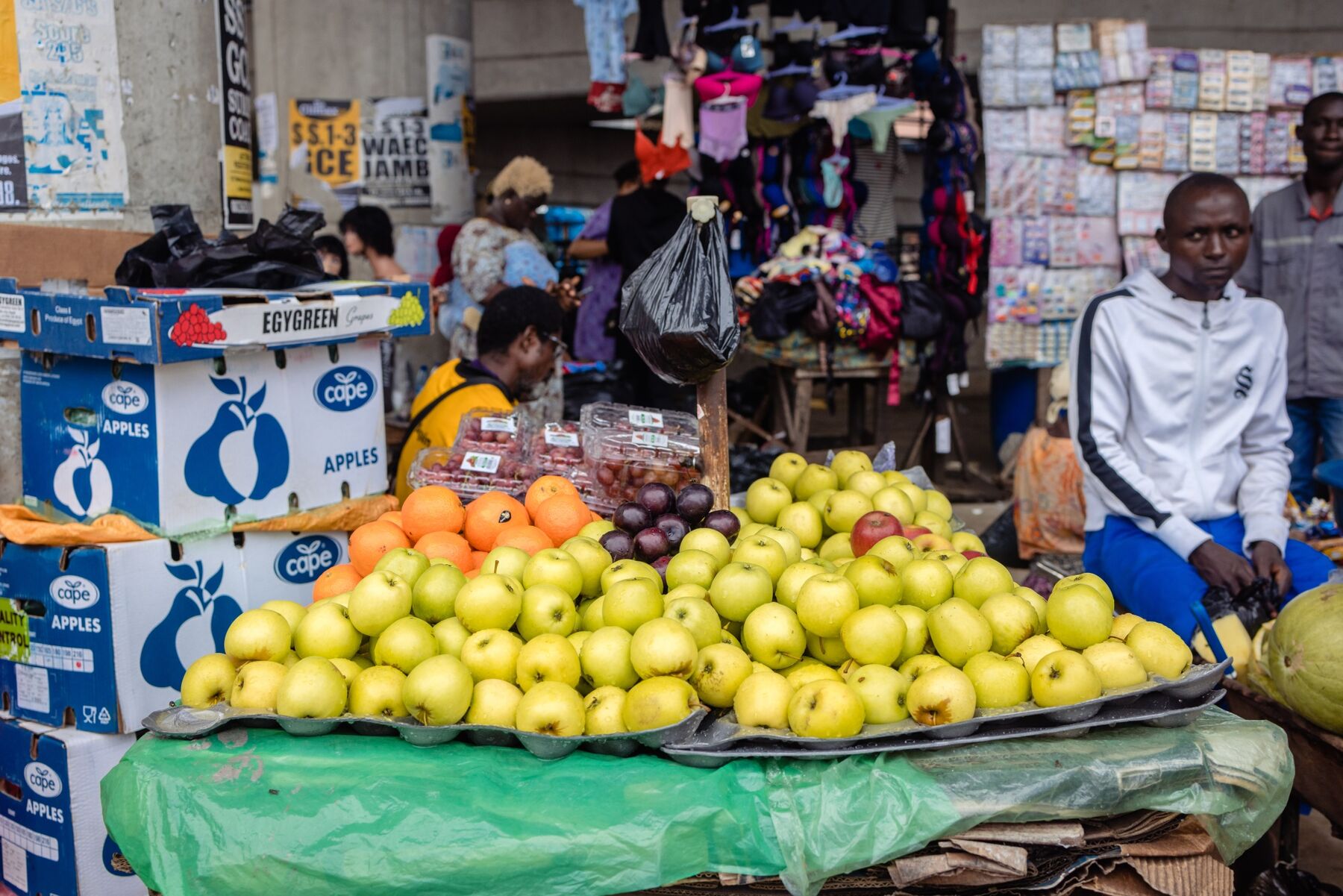
Nigeria's headline inflation is expected to have eased slightly in September, with analysts projecting a rate of about 15.5 percent as the National Bureau of Statistics prepares to publish the latest consumer price data.
The projected reading is lower than the previous month, extending a disinflation trend that has followed the central bank's tightening cycle and a period of relative stability in the naira. A print in line with expectations would keep inflation moving toward the single-digit target the Federal Government has set as a fiscal anchor.
The path is not without complications. Oil prices near $100 a barrel strengthen the fiscal and external accounts, but they also raise the cost of imported energy and transport, feeding through to food and logistics prices. That tension — strong oil revenues on one side, imported inflation on the other — is central to how quickly disinflation can proceed.
Food inflation has been the stickiest component. Despite a harvest season that typically cools prices, the cost of staples has remained elevated, weighed down by transport, energy and distribution costs rather than farm-gate scarcity alone.
Why 15.5 percent matters
A reading near 15.5 percent would be meaningful less for the level than for the direction and pace. After a painful run in which inflation eroded real incomes, a sustained decline builds the case for the central bank to hold or continue easing policy rates — a shift that would lower borrowing costs for businesses and the government. The CBN has already begun loosening, and each softer inflation print gives it more room.
The base effects and the risks
Part of the decline reflects base effects: inflation was running hotter a year ago, so year-on-year comparisons flatter the current reading. Stripping out those effects, the monthly momentum is the better gauge. If food prices are still rising faster than the headline, the improvement is narrower than it appears.
The external risks are real. A weaker naira would re-inflate imported costs; a renewed spike in global energy prices would push transport and power expenses higher; and any reversal in the security situation in farming regions could disrupt food supply. Against that backdrop, even a favorable September print is a milestone rather than a finish line.
What to watch
The NBS release will be parsed for three things: the headline rate, the food sub-index and the core measure that excludes volatile items. Together they will tell policymakers and investors whether Nigeria's disinflation is broad-based or narrowly driven — and whether the single-digit inflation ambition is a realistic horizon or a distant aspiration.
Up next
CBN's First-Half FX Sales Fall to Lowest in 19 Years as Naira Stabilises
Lower intervention reflects a calmer currency market and record reserves, but analysts caution it may also signal compressed import demand rather than a self-sustaining market.
More in Economy
See all
IMF Urges Nigeria to Raise Spending Quality and Revenue as Growth Forecast Brightens
The IMF says Nigeria's improving growth outlook is not easing poverty fast enough, pressing for better-targeted spending and a broader revenue base.
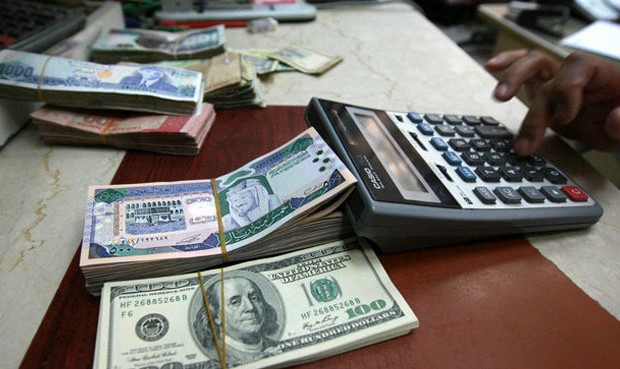
Nigeria's External Reserves Hit Record $55.07bn as Net Buffers Reach $46bn
Gross external reserves rose to an all-time high of $55.07 billion in early October while net reserves climbed to a record $46 billion, CBN Governor Olayemi Cardoso said.

Nigeria Spent $1.82bn Servicing External Debt in First Half of 2026
Nigeria's external debt service fell year-on-year in the first half of 2026, but domestic debt obligations continued to dwarf the foreign bill, DMO data shows.
About the author
Tunde Balogun
Economics Correspondent
Tunde Balogun writes for BusinessPress.
More by Tunde Balogun
Agric Ministry, NEPC Join Stakeholders to Strengthen Cocoa and Coffee Industries
Agriculture1 hr ago
FG, IFAD Begin 13th VCDP Supervision Mission as Programme Approaches Completion
Agriculture1 hr ago
ESDAN Launches EggHome App to Tackle Egg Glut and Cut Out Middlemen
Agriculture1 hr ago