ESDAN Launches EggHome App to Tackle Egg Glut and Cut Out Middlemen
The Egg Sellers and Distributors Association of Nigeria unveils EggHome to link egg producers directly with consumers and ease recurring market gluts.
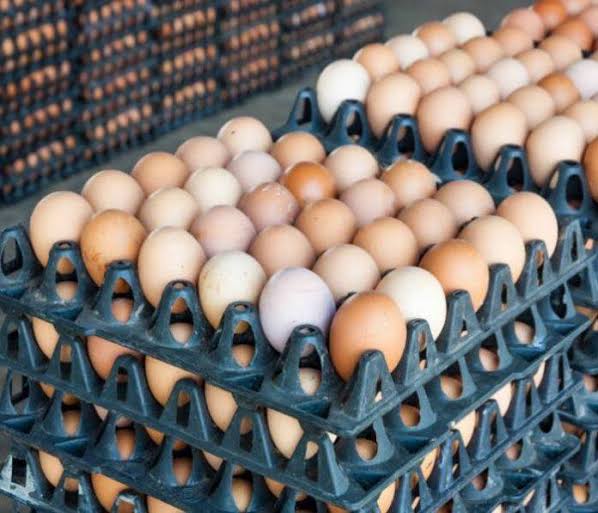
The Egg Sellers and Distributors Association of Nigeria has introduced a digital platform, the EggHome App, to connect egg suppliers with consumers, improve access to fresh eggs and address persistent marketing challenges in Nigeria's poultry industry.
The association's National President, Mrs Olaide Graham, disclosed the initiative in an interview in Lagos, explaining that it is designed to make egg distribution more efficient while helping producers reach buyers and consumers obtain eggs at affordable prices.
The launch coincided with the 2026 celebration of World Egg Day, observed annually on the second Friday in October to highlight the nutritional benefits and affordability of eggs. Established by the International Egg Commission, the global observance marked its 30th anniversary this year under the theme "Protein That Powers and Protects."
Graham said the platform reflects the association's drive to expand access to eggs, particularly among households, schools and communities, while using technology to improve transactions across the egg value chain. She said EggHome is intended to bring producers, distributors, retailers and consumers closer together, reducing the frictions that arise between production and the final point of sale.
The glut problem EggHome is trying to solve
Nigeria's egg market has a recurring seasonal headache: periods of glut in which farmers cannot find buyers quickly enough, and unsold stock risks losing freshness. The inefficiency is not one of demand — protein demand continues to rise — but of market connection. Distribution bottlenecks and weak links between producers and end buyers leave eggs stranded even when consumers are actively looking for affordable protein.
A more transparent, direct channel between suppliers and buyers can shorten the chain, reduce avoidable losses and curb the unfair pricing and exploitation that often creep in when middlemen control access to the market. That is the logic behind EggHome, and it is a logic that applies well beyond eggs — across much of Nigeria's fragmented food distribution system.
Why eggs matter to the affordability conversation
Eggs are one of the cheapest complete animal proteins available to Nigerian households, and the poultry value chain supports a wide base of small and medium producers. When distribution is efficient, eggs stay affordable; when it is not, both farmers and consumers lose, and the gap is captured by intermediaries. Digital marketplaces do not automatically fix this, but they lower the cost of finding a counterparty and can make prices more legible.
Beyond commerce
As part of the World Egg Day activities, the association also ran nutrition education for students and extended support to widows, the elderly and other vulnerable groups. Graham said the outreach reflects a belief that an organisation's success should be measured not only by commercial results but by its contribution to society. Whether EggHome scales will depend on adoption on both sides of the market — producers willing to list and consumers willing to buy through the app.
Up next
Nigeria Marks 2026 World Food Day With Innovation Drive as FMAFS, FAO Flag Off Activities
The Federal Ministry of Agriculture and the FAO begin World Food Day 2026 activities under the theme Innovate Today, Nourish Tomorrow, spotlighting innovation in Nigeria's food system.
More in Agriculture
See all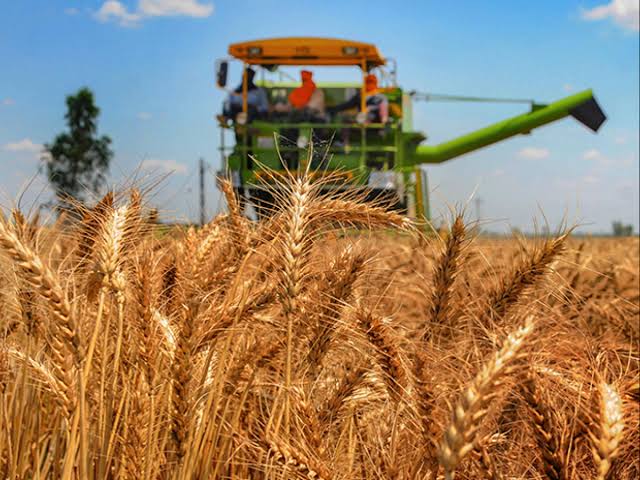
FG Launches Project WHEAT-NESS to Strengthen Nigeria's Wheat Value Chain
The Federal Government's WHEAT-NESS programme targets value chain development, MSME support and a dedicated fund as annual wheat consumption and imports hit six to seven million metric tonnes.
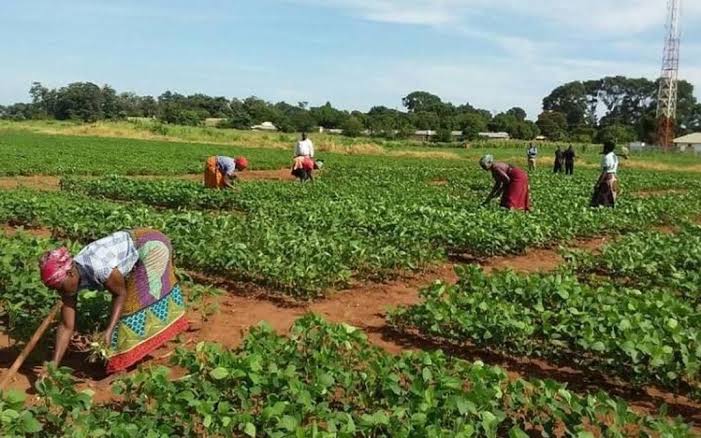
Niger Delta $500 Million Farm Fund Targets Food Security, Private Capital
Nigeria has launched a $500 million agriculture investment fund for the Niger Delta, pooling development finance and private capital to modernise farming and strengthen food security in the oil-producing region.

Nigeria Food Inflation Cools in August but Hunger Risks Persist
Food inflation slowed sharply in August 2026, offering relief to households, but international agencies warn that conflict and high input costs still leave millions of Nigerians acutely food insecure.
About the author
Tunde Balogun
Economics Correspondent
Tunde Balogun writes for BusinessPress.
More by Tunde Balogun