Agric Ministry, NEPC Join Stakeholders to Strengthen Cocoa and Coffee Industries
The Agriculture Ministry and NEPC convene stakeholders to advance strategies for lifting Nigeria's cocoa and coffee output, quality and export earnings.
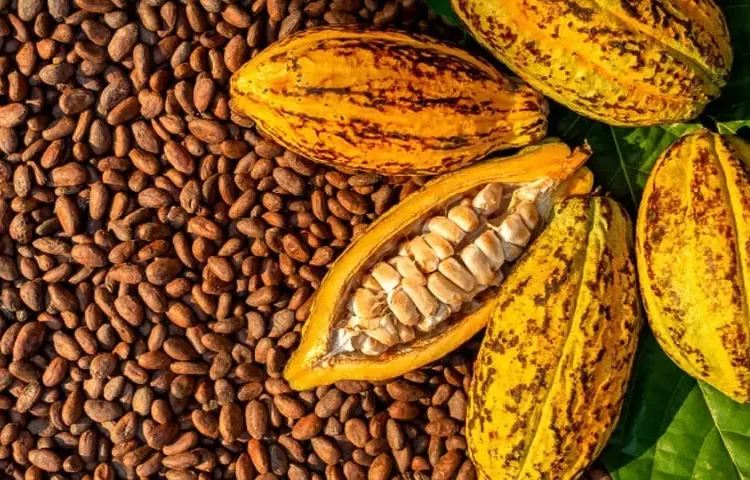
The Federal Ministry of Agriculture and Food Security and the Nigerian Export Promotion Council have joined other stakeholders to advance strategies aimed at strengthening Nigeria's cocoa and coffee industries and repositioning the two crops within Africa's fast-evolving export landscape.
The engagement brought together regulators, exporters, producer associations and development partners to examine the constraints holding back both value chains and to agree on practical interventions that can lift output, quality and export earnings.
Cocoa and coffee occupy very different positions in Nigeria's non-oil export basket. Cocoa is the country's leading agricultural export by value and a critical source of foreign exchange, while coffee production has long languished far below historic levels despite favourable growing conditions in the country's highland areas.
The joint push comes as African cocoa and coffee stakeholders intensify efforts to protect the interests of traditional producers amid tightening sustainability rules and shifting global demand patterns.
The regulatory backdrop is tightening
The most immediate pressure on Nigeria's cocoa sector is the European Union's deforestation regulation, which requires traceability, due diligence and proof that supply chains are deforestation-free. With the EU accounting for the majority of Nigeria's cocoa exports, compliance is not optional. Industry estimates suggest that a large share of Nigerian cocoa could struggle to meet the new requirements without rapid farm mapping and a credible national traceability platform — a gap that has already drawn warnings from exporters and the NEPC.
Coffee faces a different problem. Nigeria was once a notable African producer, but output collapsed over decades as farmers switched to more lucrative crops and investment dried up. Rebuilding the sector requires planting material, agronomy support and guaranteed markets — the same building blocks that a coordinated strategy would need to assemble.
Why coordination matters
Both industries are fragmented across smallholders who produce the bulk of output but capture a small share of final value. Without aggregation, traceability and access to premium markets, producers remain price-takers exposed to volatile global benchmarks. Bringing the agriculture ministry, NEPC and private operators into one framework is an attempt to align planting, quality standards, processing and export promotion rather than treating each as a separate problem.
What success would look like
For cocoa, the near-term test is compliance: whether Nigerian beans continue to access European buyers as the deforestation rules bite, and whether value addition — grinding, processing and premium product — moves onshore. For coffee, the test is more basic: whether planting and replanting translate into rising output over the next few seasons. The strategies advanced this week matter only if they are backed by financing and time-bound implementation.
Up next
FG, IFAD Begin 13th VCDP Supervision Mission as Programme Approaches Completion
The FG and IFAD launch the 13th Joint Supervision Mission of the Value Chain Development Programme, praising rice and cassava gains while flagging disbursement and counterpart-funding gaps.
More in Agriculture
See all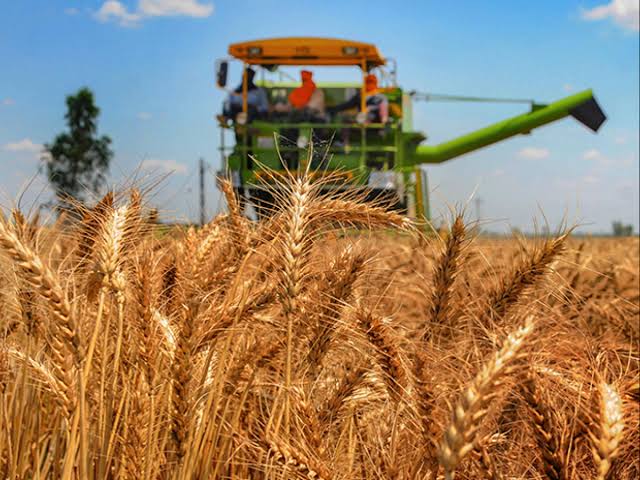
FG Launches Project WHEAT-NESS to Strengthen Nigeria's Wheat Value Chain
The Federal Government's WHEAT-NESS programme targets value chain development, MSME support and a dedicated fund as annual wheat consumption and imports hit six to seven million metric tonnes.
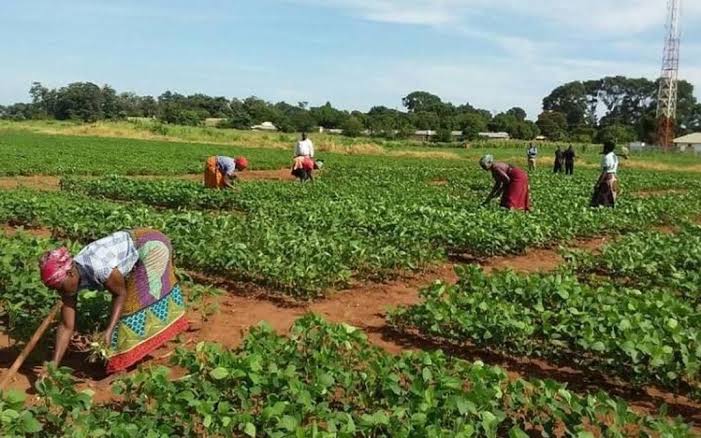
Niger Delta $500 Million Farm Fund Targets Food Security, Private Capital
Nigeria has launched a $500 million agriculture investment fund for the Niger Delta, pooling development finance and private capital to modernise farming and strengthen food security in the oil-producing region.

Nigeria Food Inflation Cools in August but Hunger Risks Persist
Food inflation slowed sharply in August 2026, offering relief to households, but international agencies warn that conflict and high input costs still leave millions of Nigerians acutely food insecure.
About the author
Tunde Balogun
Economics Correspondent
Tunde Balogun writes for BusinessPress.
More by Tunde Balogun