Gold Rebounds to Two-Week High but Still Heads for a Weekly Loss
Spot gold rose about 0.4 per cent to near $4,187 an ounce, helped by a softer dollar and a sharp fall in Treasury yields, even as hot US producer prices kept Fed rate-hike bets alive and capped the metal near $4,235.

Gold rose for a second consecutive session on Friday, climbing back above $4,180 an ounce, even as the metal headed for a weekly decline of about 1 per cent following hot US inflation data that revived expectations of another Federal Reserve rate increase.
Spot gold gained about 0.4 per cent to trade near $4,187 after reaching a two-week high in the previous session, when it surged roughly 1.6 per cent. The metal opened the day near $4,170, touched an intraday high around $4,192 and dipped to about $4,147 before recovering.
The rebound is instructive, because gold has long been expected to struggle when rate-hike bets strengthen. This week it did the opposite.
Why gold rose despite hot inflation
US producer prices for September jumped to 6.3 per cent year on year, well above the 5.3 per cent consensus, following a hotter-than-expected consumer price reading earlier in the week. On the surface, that should have hurt gold by lifting the opportunity cost of holding a non-yielding asset.
Instead, the metal found support from a softer US dollar and a sharp rally in government bonds. The dollar headed for its first weekly fall in five weeks, while US Treasury yields fell as investors sought the safety of fixed income amid a sell-off in technology and AI-linked stocks. When yields fall and the dollar weakens, gold typically benefits — and this week it did.
The price resilience in the face of inflation surprises suggests that broader risk sentiment and shifting expectations for monetary policy are now influencing demand more than the inflation prints themselves.
The bond market is doing the work
Much of gold's move has been mirrored in the bond market. The yield on the 10-year US Treasury fell by roughly 15 basis points on Thursday to about 5.04 per cent — its largest single-day decline in more than a year — before stabilising above 5.08 per cent on Friday. The two-year yield was steadier near 4.75 per cent.
That move had less to do with the inflation data than with positioning. Investors who had crowded into AI-related credit and equity trades appear to have rotated toward safe havens, and the resulting Treasury demand pushed yields lower even as inflation ran hot. Fed Chair Kevin Warsh's decision not to signal a rate path reinforced the cautious mood, lowering the odds of a near-term hike.
The $4,235 resistance
Despite this week's recovery, gold remains in a downtrend that has prevailed since August. The metal has lost roughly a fifth of its value since the US-Iran war escalated in late February, when a flight to safety initially lifted it to record highs before elevated borrowing costs and a resilient dollar reversed the move.
Technical analysts are watching the $4,235 level, breached during the late-September sell-off. A decisive move back above it would strengthen the case for a more sustained recovery; failure to reclaim it would leave the metal vulnerable to another leg lower.
Silver, which often moves with gold but with greater amplitude, slipped to about $57 an ounce and was heading for a sixth consecutive weekly loss, underlining how fragile the precious-metals complex remains.
What to watch
The next catalyst is the Federal Reserve's 28 October policy decision. Traders are pricing about a 72 per cent chance that the Fed holds rates steady, up from 53 per cent a month ago, though the odds of a hike rose sharply after this week's inflation data before easing again.
For gold, the path depends on the interplay between yields, the dollar and risk appetite. If the AI-driven equity wobble deepens and investors keep rotating into Treasuries, the resulting yield decline could extend gold's rebound. If inflation proves sticky enough to force another hike, the metal's recovery may prove short-lived. The $4,235 resistance, and the Fed's tone, will tell the story.
Up next
Indonesia Stocks Plunge 11% as MSCI Proposes Emerging-Market Downgrade
The Jakarta Composite fell 11.57 per cent, its heaviest one-day drop since 1998, after MSCI said Indonesia could no longer be classed an emerging market and proposed standalone status that would push it out of global benchmark indexes.
More in Markets
See all
DMO Rejects Higher Yield Demands and Allots N269 Billion at Treasury Bill Auction
Investors bid up to 18.18 per cent on the one-year bill but the Debt Management Office allotted only N269.06 billion against N450 billion offered, rejecting about 78 per cent of 364-day bids to keep a lid on borrowing costs after the rate cut.
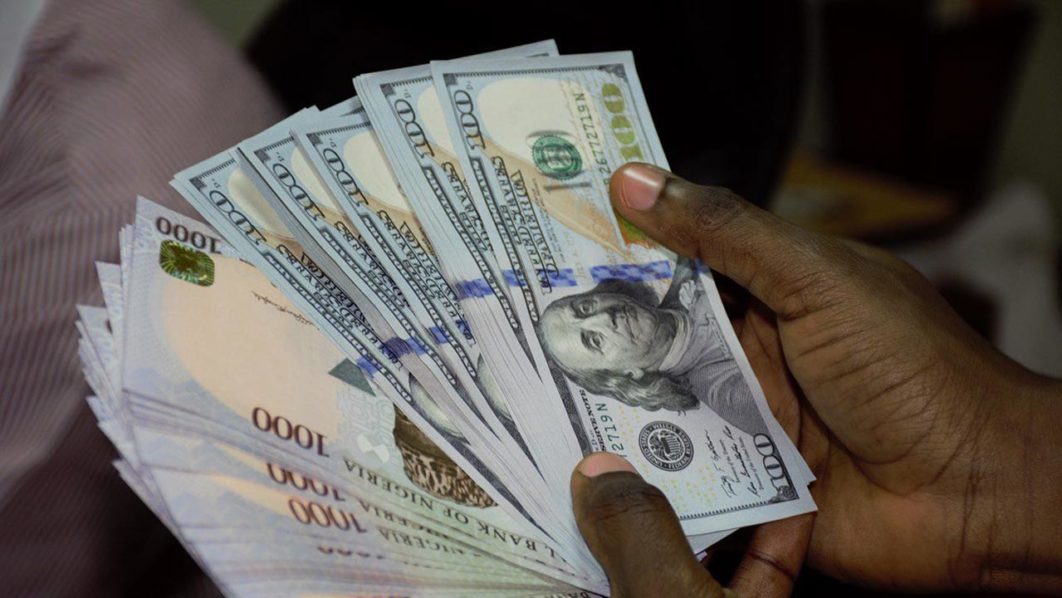
Naira Holds Near N1,331 as Parallel-Market Gap Narrows to 2.88 per Cent
The official NFEM rate firmed to N1,331.61 to the dollar while street quotes sat around N1,375 to N1,390, leaving a spread that has compressed sharply as reserves climb and central bank FX sales stay low.
Dollar Set for First Weekly Drop in Five Weeks as AI Jitters Cut Yields6th
The dollar index held near 102.07 and headed for its first weekly decline since mid-September as the 10-year Treasury yield fell about 15 basis points and the euro recovered from a 17-month low.
About the author
Adaeze Okonkwo
Markets Editor
Adaeze Okonkwo writes for BusinessPress.
More by Adaeze Okonkwo