UBA Wins N156bn Debt Recovery Judgment Against Stallion Group, Vaswanis
The Federal High Court in Lagos has ruled in favour of UBA in its N156.03 billion debt recovery suit against Stallion Group and the Vaswani brothers, upholding the bank's mortgage security, the liability of guarantors and its receiver/manager.
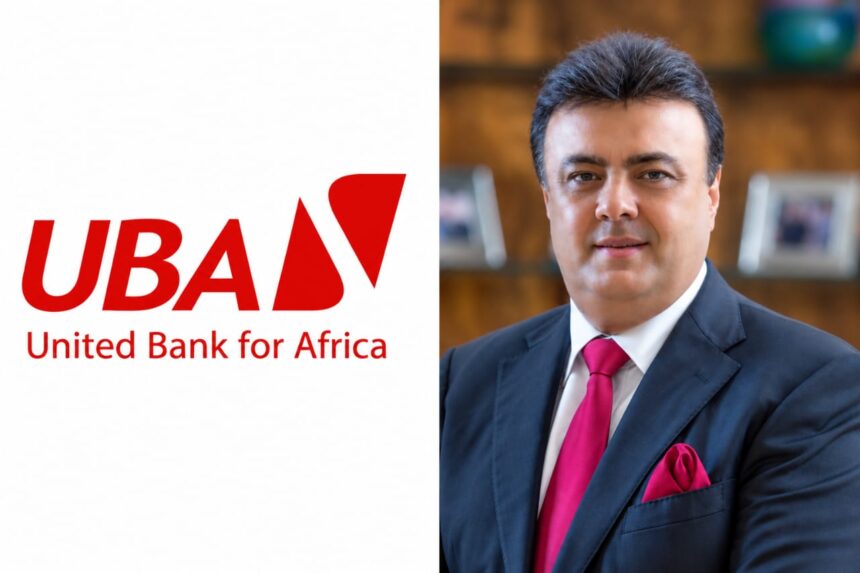
The Federal High Court in Lagos has ruled in favour of United Bank for Africa (UBA) in the bank's long-running N156.03 billion debt recovery suit against Stallion Group and the Vaswani brothers who control it, upholding the bank's mortgage security, the appointment of its receiver/manager and the liability of guarantors.
Judgment was delivered on Friday by Justice Daniel Osiagor of Court 6, Ikoyi, granting, according to the bank's account of the ruling, all the reliefs it sought and resolving the issues presented for determination in its favour.
What the court decided
The court affirmed the appointment of Romeo Ese as receiver/manager over assets connected to the recovery proceedings and confirmed his entitlement to take possession of mortgaged property and seek protective orders. It also restrained the defendants from diverting receivables otherwise due to them from government agencies, a measure designed to protect the bank's recovery interest.
Central to the ruling was the finding that the defendants did not dispute the existence of indebtedness to UBA, challenging only the amount claimed, and that a reconciliation of accounts between the parties did not invalidate the underlying debt obligations. The court also dismissed objections raised by the twelfth defendant, Barbedos Ventures Limited, over proprietary rights in the mortgaged property, holding that its consent had not been required when the mortgage was created.
A dispute running since 2023
UBA filed the suit in October 2023, claiming N156.03 billion owed by Stallion Nigeria Limited and associated companies, including Von Automobile Nigeria, Stallion Motors and The Honda Place, with group chairman Sunil Vaswani among the defendants. Early orders of the court permitted the bank to take over assets in Lagos, Port Harcourt and Kano and to freeze accounts, and Stallion's attempts to lift those orders failed in December 2023.
The defendants have maintained positions contesting the claims, with Stallion Nigeria Limited arguing previously that it was the only entity in the group that had entered into a financing contract with the bank, and describing the debt claims as false when proceedings began. Neither Stallion nor the Vaswanis issued an immediate public response to Friday's ruling.
Why the ruling matters beyond the parties
The judgment reinforces a principle Nigerian lenders rely on heavily in corporate recoveries: that disputing the precise quantum of a debt does not, by itself, stop a creditor from enforcing properly constituted security. With several large legacy disputes still moving through the courts, including a related UBA action linked to Western Metal Products, the reasoning in this case will be read closely by banks and their obligors alike.
What is not yet clear
The full scope of the court's orders, the specific assets affected and any grounds for appeal can only be confirmed from the written judgment and the responses of the affected parties, none of which were immediately available. For UBA, which has cast the ruling as a milestone in its corporate debt drive, the practical test is now enforcement: converting courtroom rights into recovered cash.
Up next
Fitch Moves Nine Nigerian Banks, Two Holdcos to Positive Outlook
Fitch Ratings has moved nine Nigerian banks and two bank holding companies to Positive outlook from Stable while affirming their long-term issuer default ratings at B, following its October 9 revision of Nigeria's sovereign outlook.
More in Corporate
See all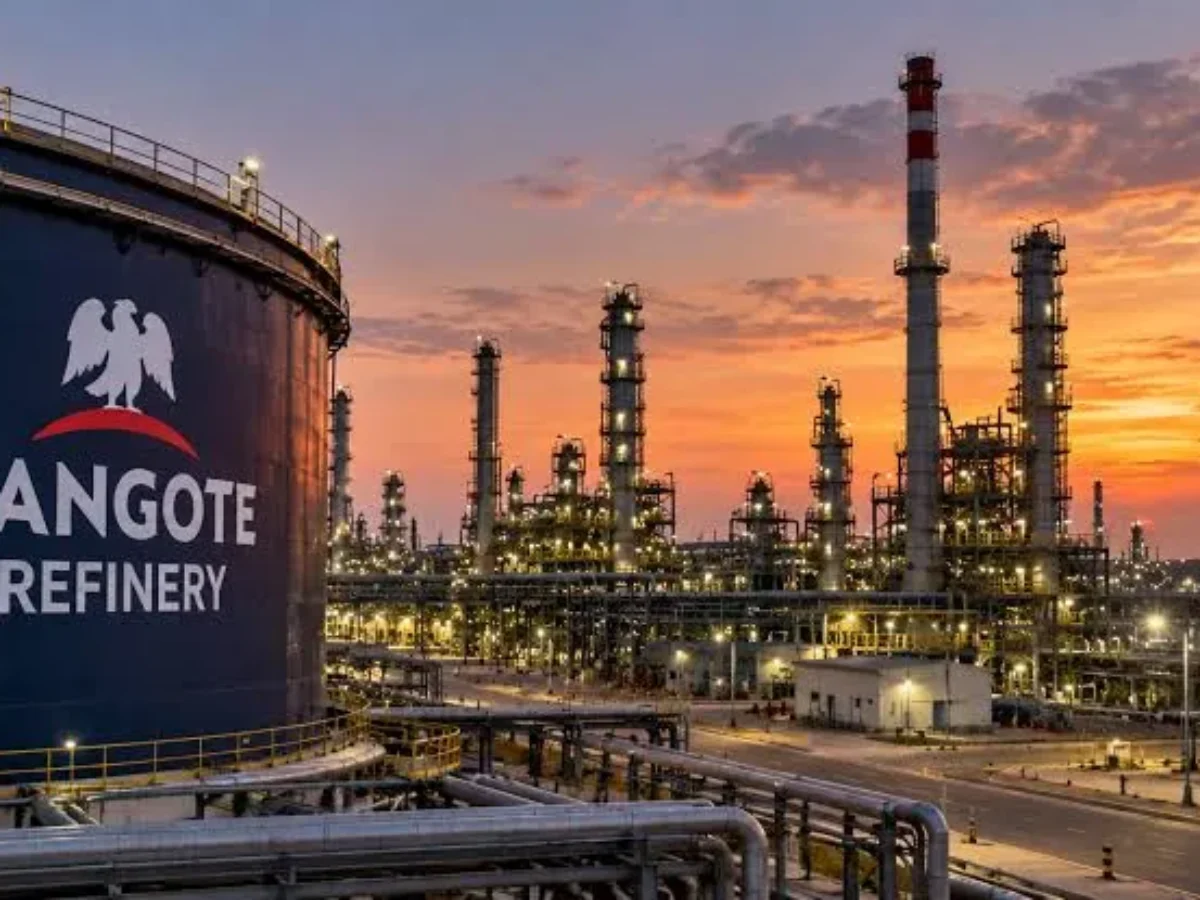
Dangote Refinery Swings to $4.73 Billion Profit as Share Offer Extends to October 27
Dangote Petroleum Refinery posted an unaudited net profit of $4.73 billion for the nine months to September 2026, reversing a loss a year earlier, as its $1.6 billion initial public offering was extended to 27 October.
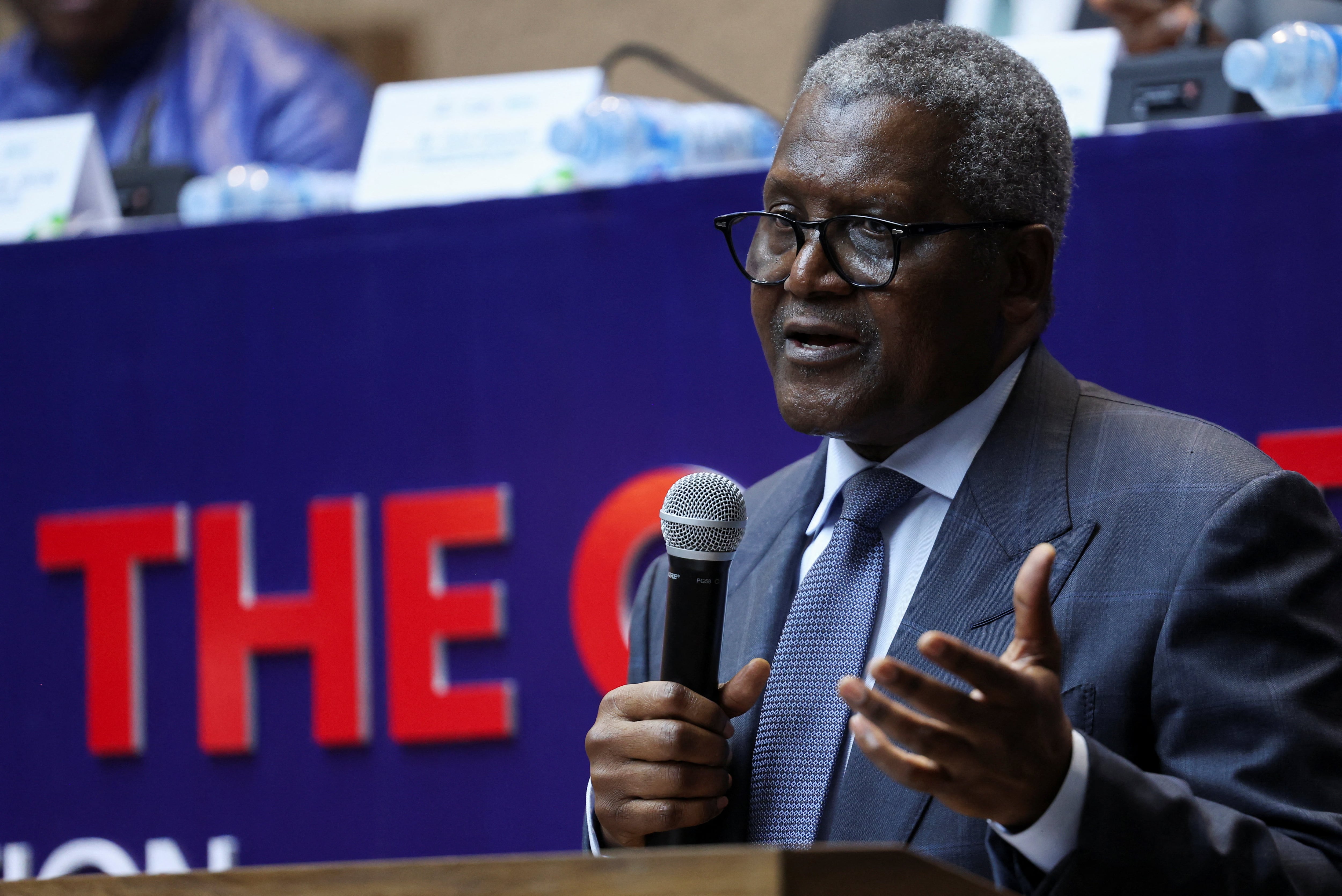
Dangote to List 10% of Ethiopian Fertiliser Business on Africa's Youngest Exchange
Aliko Dangote said 10% of the group's Ethiopian fertiliser business will list on the Ethiopian Securities Exchange, where it is building a $2.5 billion urea complex.
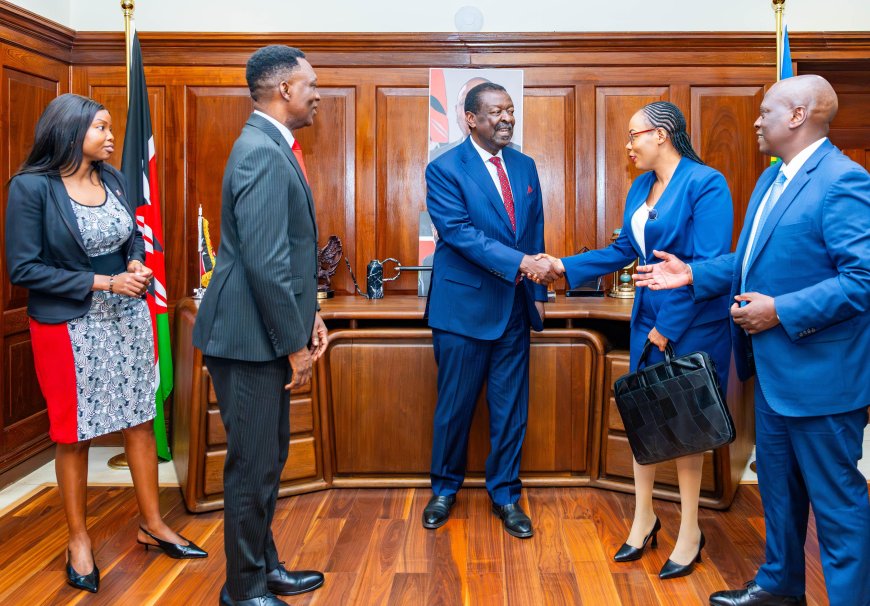
Zenith Bank Deepens Kenya Push After Completing Paramount Bank Acquisition
Zenith Bank has consolidated its entry into East Africa's largest market after completing the full acquisition of Kenya's Paramount Bank, part of a wider expansion that also took the Nigerian lender into Côte d'Ivoire during the first half of 2026.
About the author
Abiodun Abdullahi
Author / Business and Markets Writer
Abiodun Abdullahi writes for BusinessPress.
More by Abiodun Abdullahi