Fitch Moves Nine Nigerian Banks, Two Holdcos to Positive Outlook
Fitch Ratings has moved nine Nigerian banks and two bank holding companies to Positive outlook from Stable while affirming their long-term issuer default ratings at B, following its October 9 revision of Nigeria's sovereign outlook.
Fitch Ratings has revised the outlooks of nine Nigerian banks and two bank holding companies to Positive from Stable, affirming their Long-Term Issuer Default Ratings at "B" in a collective vote of confidence that follows a similar action on the sovereign earlier this month.
The affected institutions are Access Bank, Zenith Bank, First HoldCo, First Bank of Nigeria, United Bank for Africa, Guaranty Trust Holding Company, Guaranty Trust Bank, Fidelity Bank, First City Monument Bank, Wema Bank and the Bank of Industry. The outlook changes do not constitute upgrades; the ratings themselves remain at B.
Following the sovereign
The revisions trace back to Fitch's October 9 decision to move Nigeria's own "B" rating outlook to Positive, which the agency said reflected ongoing reform of the policy framework and increased confidence that momentum will not be disrupted by upcoming elections. For ten of the eleven issuers, the logic is that the sovereign credit profile and the operating environment may become less of a constraint on standalone creditworthiness.
For First HoldCo and First Bank of Nigeria, the change is also supported by the two issuers having restored compliance with the total capital adequacy ratio requirement. First Bank had breached its minimum bank-solo requirement of 15 per cent at the end of 2025 after a rise in impaired loans, but Fitch noted the ratio recovered to 16.7 per cent by the middle of 2026. Bank of Industry's revision rests on a different basis: the agency's view that the government's ability to support the policy bank may improve.
The macro case
Fitch cited a naira appreciation of about 7 per cent between January and September 2026, continued building of gross international reserves by the Central Bank of Nigeria, moderating inflation and the potential for further monetary easing as factors supporting the banking environment. The agency forecasts real GDP growth of 4.3 per cent this year.
It also acknowledged strains: the withdrawal of regulatory forbearance around problem loan classifications lifted impaired-loan ratios at the end of 2025, and banks have had to raise significant capital to meet new paid-in requirements effective from the first quarter of 2026. The sector has continued to operate under a 45 per cent cash reserve ratio for commercial banks, which restricts the funds available for lending.
Exposure that has not gone away
Despite the brighter outlook, Fitch stressed that the creditworthiness of the commercial banks remains closely tied to Nigeria's sovereign profile, given their holdings of government securities and cash reserves. Net loans accounted for between 18 and 41 per cent of the banks' total assets at the end of 2025, while CBN reserves and Nigerian sovereign fixed-income securities represented between 23 and 45 per cent. A sovereign downgrade, the agency warned, would trigger downgrades of the affected banks.
What it means
Positive outlooks are a signal of where ratings could go over one to two years if reforms hold, not a promise of cheaper funding tomorrow. For banks, they matter most when they support investor appetite for eurobonds and long-dated paper, and when they ease counterparty perceptions abroad. The elections, the naira's path and the quality of loan books will decide whether the signal converts into upgrades.
Up next
Renaissance Africa Secures 13-Bank $4.1bn Financing for Oil Contractors
Renaissance Africa Energy, operator of Shell's former onshore business, has relaunched its vendor financing scheme with 13 banks, offering a subscribed portfolio of $4.1 billion and N435 billion to indigenous oil and gas contractors.
More in Finance
See all
Uganda Hikes Key Rate 225 Basis Points to 12% in Emergency Shilling Defence
The Bank of Uganda raised its central bank rate by 225 basis points to 12% at an emergency meeting, citing oil prices, shilling depreciation and offshore selling of government bonds.
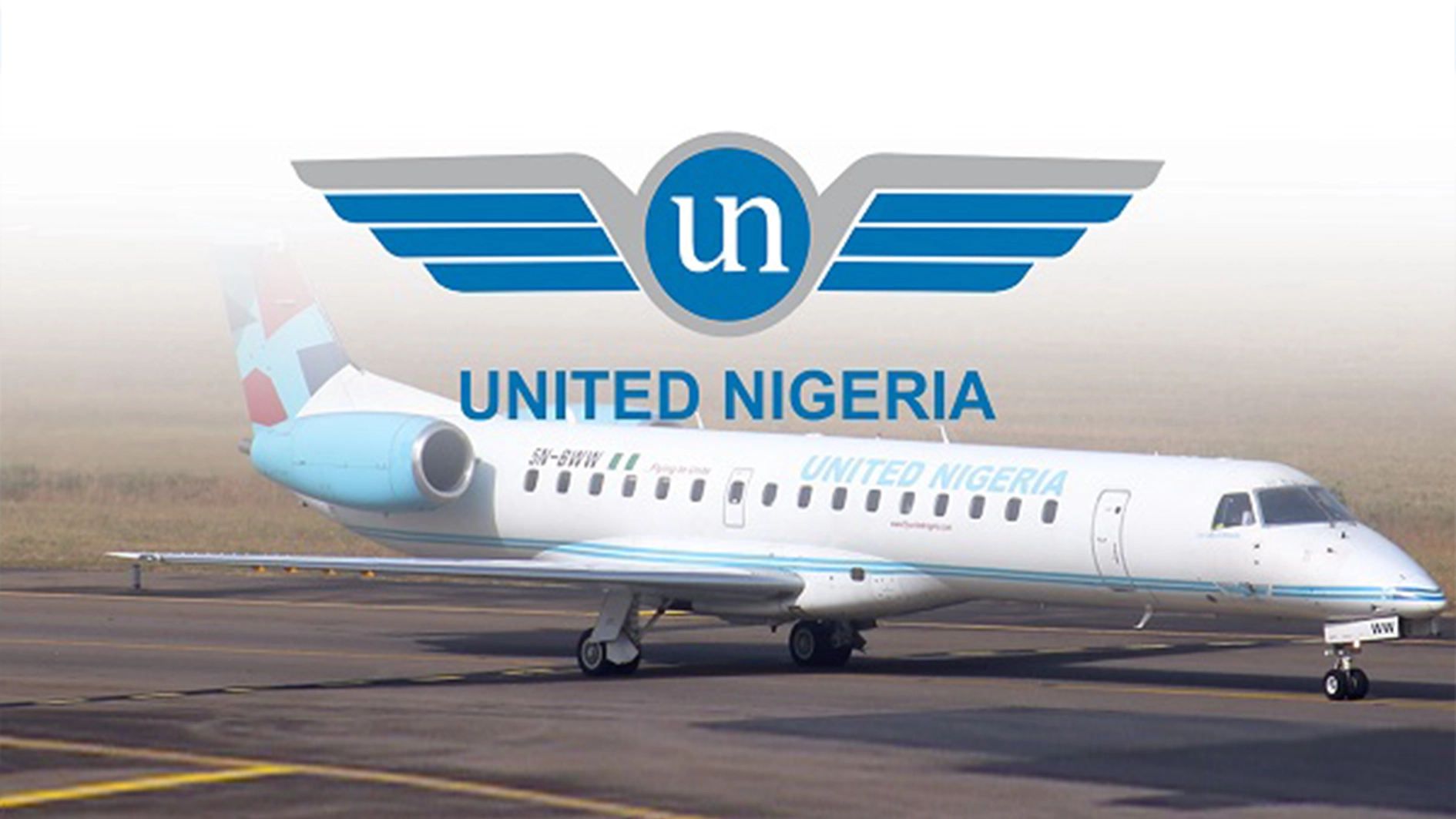
United Nigeria Airlines Launches N20bn Commercial Paper, a First for Local Carriers
United Nigeria Airlines is raising N20 billion through its inaugural commercial paper issuance, the first by a domestic Nigerian airline, under a N100 billion programme arranged by Meristem Capital.
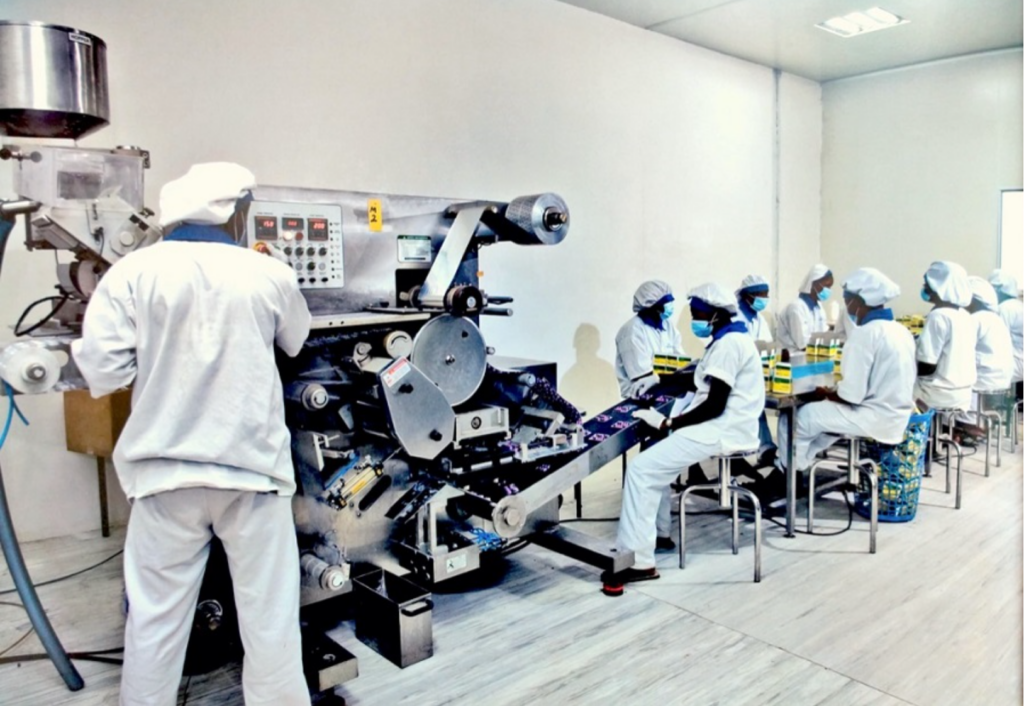
MeCure Industries Opens ₦14 Billion Commercial Paper Offer Priced at 21% Yield
MeCure Industries has opened a Series 8 commercial paper offer of up to ₦14 billion under its ₦40 billion programme, priced at a 21% gross implied yield as the drugmaker funds working capital ahead of expanding production investment.
About the author
Kelechi Nwachukwu
Business Reporter
Kelechi Nwachukwu writes for BusinessPress.
More by Kelechi Nwachukwu