EU Says Nigeria's Poor May Be World's Largest, Commits E45m in Aid
The European Union's ambassador to Nigeria, Gautier Mignot, says the country probably has the world's largest number of people living below the poverty threshold, and announced nearly E45 million in humanitarian assistance for 2026 plus E20 million in defence support.
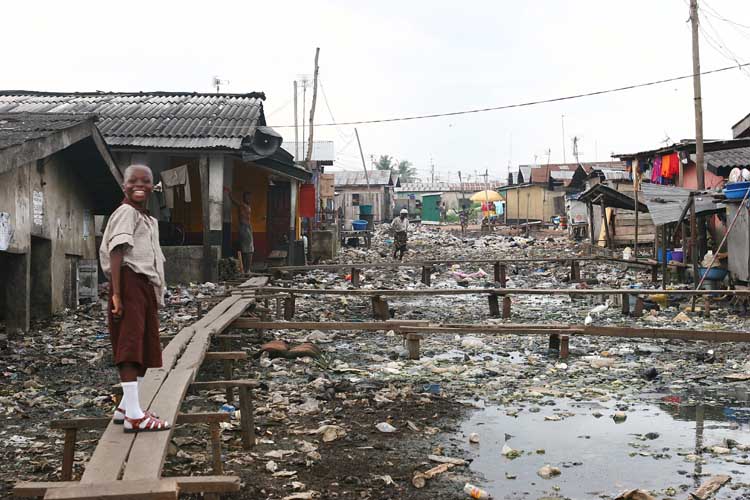
Nigeria probably has the highest number of people living below the poverty threshold of any country in the world, the European Union's ambassador to Nigeria and ECOWAS, Gautier Mignot, said at the weekend, as the bloc committed nearly E45 million in humanitarian assistance to the country for 2026.
"Today, Nigeria is probably the country in the world with the highest number of people living under the poverty threshold," Mignot said in Abuja at the 2026 International Day for the Eradication of Poverty, calling poverty one of the country's biggest challenges and a concern for its international partners.
The numbers behind the statement
The ambassador cited Nigeria's 2022 National Multidimensional Poverty Index, which put about 133 million Nigerians, some 63 per cent of the population, in multidimensional poverty, and noted that estimates from different sources suggest the situation has worsened since then. The measure captures overlapping deprivations in health, education, living standards and housing rather than income alone.
Meaningful poverty reduction, Mignot added, is impossible without peace, security, dignity and respect for human rights, arguing that households unable to meet basic needs can hardly feel secure or enjoy their fundamental rights.
Where the EU money goes
Through the European Civil Protection and Humanitarian Aid Operations (ECHO), the EU has committed almost E45 million for humanitarian assistance in Nigeria this year, with particular attention to conflict-affected and crisis-prone communities. Mignot stressed that emergency relief must be linked to long-term recovery and durable solutions, saying "humanitarian needs cannot wait, and poverty either."
On the development side, the bloc's Supporting Sustainable Social Protection Systems programme works with government institutions and partners including UNICEF, GIZ, the International Labour Organisation, ActionAid Nigeria and Oxfam across Abia, Benue, Oyo, Sokoto, Kebbi, Adamawa and Borno states. The programme focuses on strengthening social protection policy, expanding social registers to identify poor households and improving data systems for planning and resource allocation. The EU has also supported the review of Nigeria's National Social Protection Policy and the development of a Social Protection Bill.
Security support alongside aid
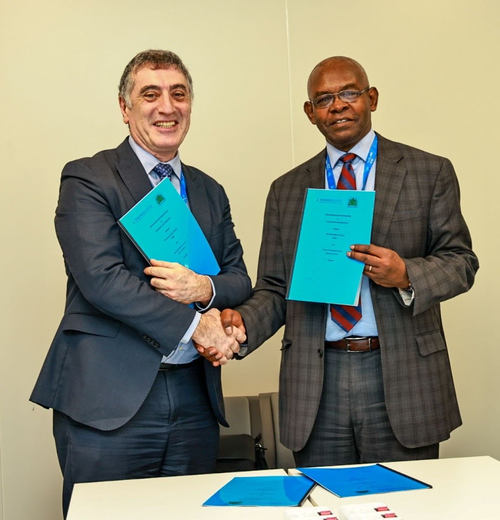
Separately, Mignot announced E20 million in support for the Nigerian armed forces under the European Peace Facility, part of coordinated efforts to combat terrorism, during a visit to Defence Minister General Christopher Musa (retd) in Abuja. He said an EU technical delegation would visit in November to agree delivery details and invited the minister to a meeting of defence ministers in Brussels later in the year.
Musa, for his part, said relative peace was gradually returning but kidnapping on major highways and attacks on isolated communities persist, and noted that the shrinking Lake Chad Basin, on which more than 50 million people depend for their livelihoods, remains a potential source of instability.
The government programmes in the mix
The ambassador acknowledged Nigerian initiatives including the National Social Safety Net Programme, the Nigeria Community Action for Resilience and Economic Stimulus, the Renewed Hope Social Protection Programme and the World Bank-backed Household Prosperity and Empowerment project. Whether these, combined with international support, can bend the poverty curve will depend on coverage, data quality and sustained financing in the years ahead.
Up next
FG Commissions First of 3,700 Rural Connectivity Towers in Abia
The Federal Government has commissioned the first site of the Nigeria Universal Communication Access Project in Bende, Abia State, kicking off a nationwide rollout of 3,700 towers intended to connect nearly 20 million unserved Nigerians.
More in Economy
See all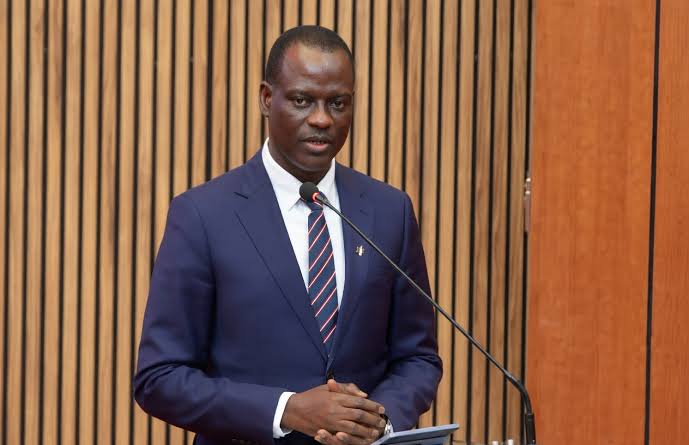
Oyedele Rules Out Fuel and FX Subsidy Return as FG Targets 7% Growth
Finance Minister Taiwo Oyedele says there will be no return to fuel subsidies or multiple exchange rates, as Nigeria targets 7% growth above the IMF's 4.3% projection for 2027.

World Bank Plans Fivefold Rise in Metals and Minerals Support to $19 Billion
The World Bank Group plans to increase its metals and minerals support fivefold to $19 billion over FY26-FY30, with eight countries signing partnership compacts.
Tinubu, Atiku Clash Over Competing Plans to Cut Petrol Prices
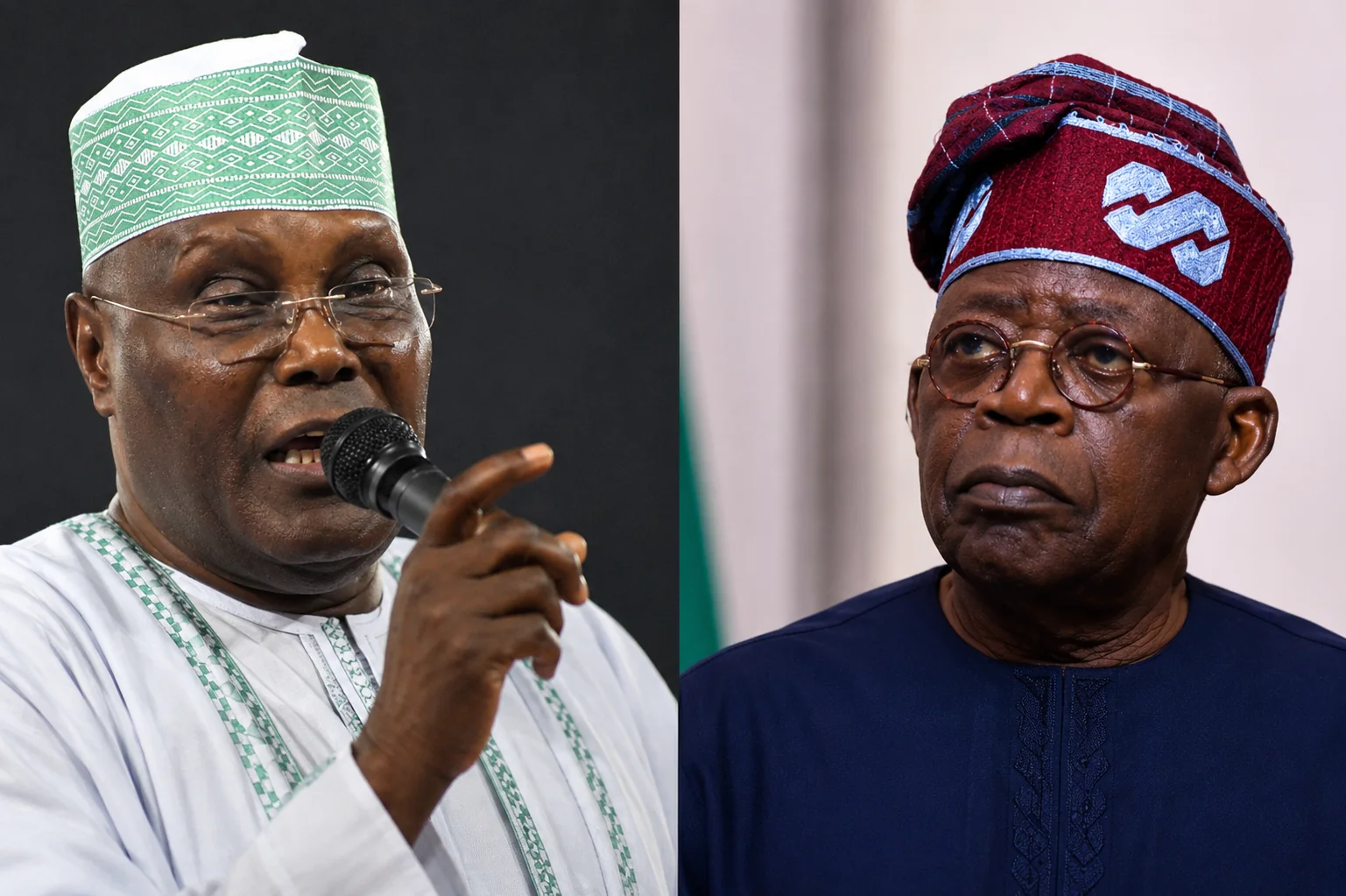
President Tinubu's administration and opposition leader Atiku Abubakar have advanced rival plans to lower petrol prices as Nigeria heads toward the 2027 election.
About the author
Abiodun Abdullahi
Author / Business and Markets Writer
Abiodun Abdullahi writes for BusinessPress.
More by Abiodun Abdullahi