Liberia Seeks Nigeria's Insurance Playbook After N720 Billion Recapitalisation
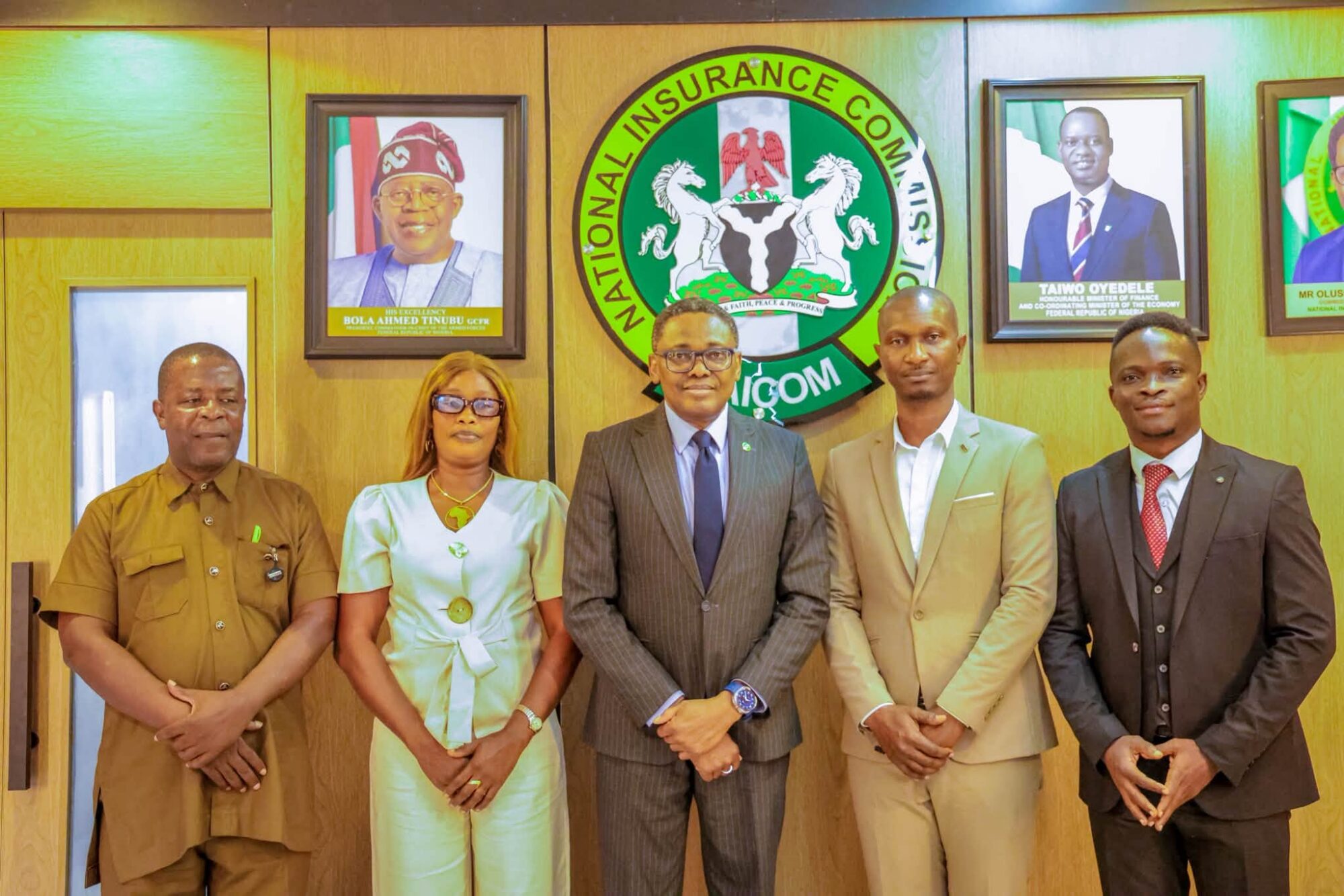
Liberia's central bank has turned to NAICOM for guidance on supervision, after Nigeria's recapitalisation raised about N720 billion and strengthened 50 insurers.
32 results for “finance”

Liberia's central bank has turned to NAICOM for guidance on supervision, after Nigeria's recapitalisation raised about N720 billion and strengthened 50 insurers.

Just 245,315 of Nigeria's roughly 84.9 million informal workers are enrolled in a pension plan, exposing a vast retirement savings gap, PenCom data shows.

PenCom has automated penalties for employers that delay pension remittances, after cumulative recoveries from defaulters reached N36.6 billion.

Foreign capital importation into Nigeria rose by more than 83 percent year-on-year in the first quarter of 2026, led by portfolio investments as global investors returned to the country's money and bond markets.

Nigeria's pension fund assets have grown beyond N31 trillion and now cover more than 11 million retirement savings account holders, with the regulator pushing to channel more of the money into infrastructure and the capital market.

Nigeria has launched a $500 million agriculture investment fund for the Niger Delta, pooling development finance and private capital to modernise farming and strengthen food security in the oil-producing region.

The SEC warned that Wayvepay is not registered to operate in the capital market, after the platform said it would offer access to the Dangote Refinery IPO.

The National Insurance Commission has begun final verification of insurers' compliance with higher capital requirements, with consolidation expected to follow.

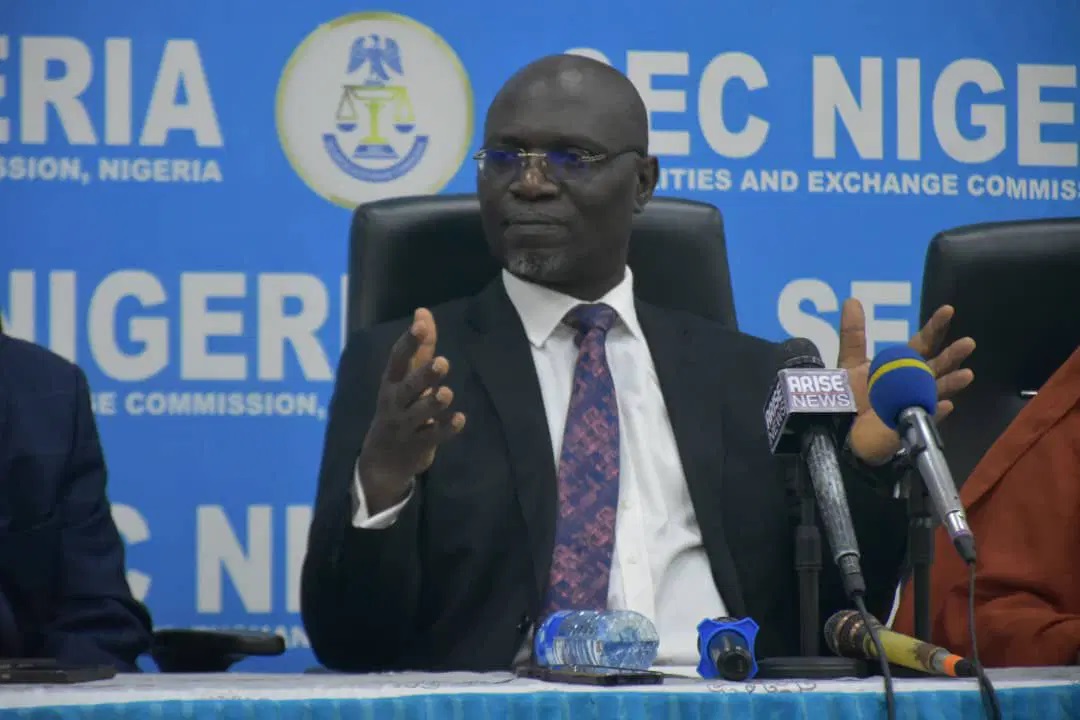
The Securities and Exchange Commission has warned that a lack of credible companies willing to list is limiting the depth of Nigeria's capital market.

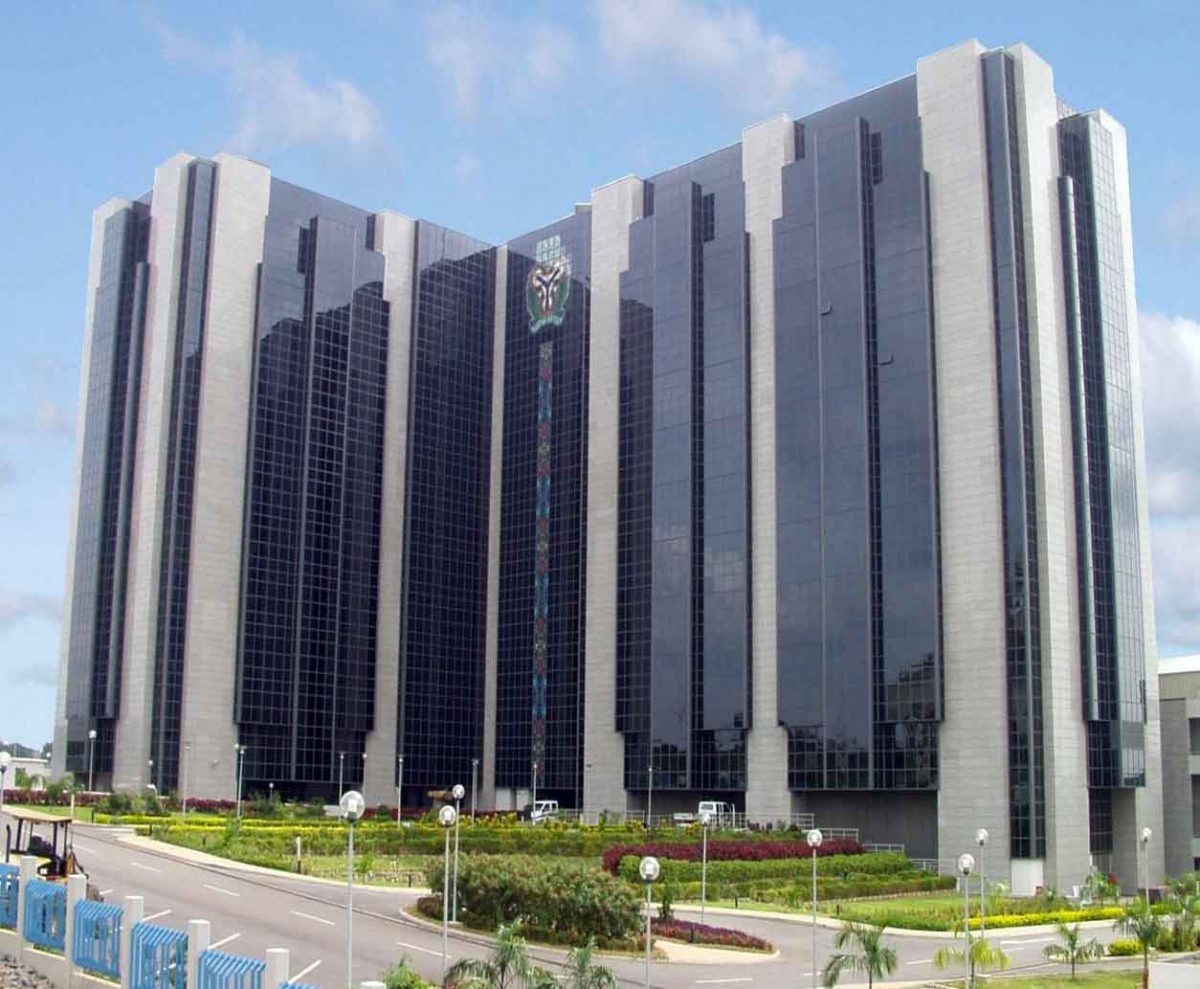
The Central Bank of Nigeria is mopping up excess cash to keep money-market conditions tight, supporting the naira and inflation but keeping borrowing costs elevated.

KuCoin Nigeria has secured conditional approval-in-principle from the Securities and Exchange Commission to join its regulatory incubation programme.

Five leading Nigerian financial institutions reported a combined pre-tax profit of about N2.29 trillion in the first half of 2026, cementing banking's dominance of corporate earnings.

The US banking giant plans to establish a merchant bank in Nigeria before the end of 2026 and has added the country to a new emerging-market bond index, in twin votes of confidence for the capital market.
The development lender says its 2026 interventions combine credit, guarantees and investment to draw commercial funding into agriculture, finance and job creation.
The lender reported N637.6 billion in profit before tax for the six months to June, while after-tax earnings fell and the board proposed a N1.50-per-share interim payout.
Loan books are expanding again, but provisioning is rising alongside them.
The mobility-finance company ended local operations after six years and said eligible drivers would make no further vehicle payments from 1 October.
The economy expanded faster in the first half of 2026 and retained a current-account surplus, but the development lender says stronger public revenue must translate into services and jobs.
New scoring models are widening access, though questions over pricing remain.
Positive real yields are drawing domestic institutions back into the long end.
Penetration remains thin, but distribution and digital products are opening new channels.
Affordable Credit Becomes a Sector Priority Maiha said the ministry will work with the finance ministry and the CBN to secure loans with...
Earlier in April, it approved another $266.7m plus CFA30bn for projects across Nigeria, Ghana, Senegal, Côte d’Ivoire and The Gambia. In...
Banks Have More Cash Than They Can Immediately Deploy The CBN data showed that banks’ SDF placements rose from N6.014tn on September 28...
The second issuance would complete the first phase of a programme designed to restore liquidity and confidence among electricity generators.
At least 30 percent of the sovereign-guaranteed funding is expected to support Nigerian small and medium-sized enterprises.
Customer deposits expanded and the capital ratio remained strong, but the 2025 accounts showed that balance-sheet growth did not produce higher gross revenue.
Gross premium written rose 47.3 percent in 2025, while low retention in specialist risks showed why the industry's new capital rules matter.
The consumer regulator said its lending rules target opaque charges and aggressive recovery practices, not lawful telecom credit products.
The transaction lifted eligible capital above the N500 billion minimum for an international commercial-bank licence, subject to final approvals.
The two-year exercise lifted paid-up capital across the banking system, with the regulator saying every affected lender chose a route to compliance.
The sharp month-on-month rebound strengthened state revenue, but comparisons with December require care because deductions and the timing of collections can move between periods.