Nigeria Marks 2026 World Food Day With Innovation Drive as FMAFS, FAO Flag Off Activities
The Federal Ministry of Agriculture and the FAO begin World Food Day 2026 activities under the theme Innovate Today, Nourish Tomorrow, spotlighting innovation in Nigeria's food system.
Nigeria will join the rest of the world to mark the 2026 World Food Day, with the Federal Ministry of Agriculture and Food Security and the Food and Agriculture Organisation of the United Nations flagging off a series of programmes under the theme "Innovate Today, Nourish Tomorrow."
The commemorative activities begin on Thursday, 15 October, with visits to cluster farms, selected secondary schools and Internally Displaced Persons camps within the Federal Capital Territory, according to a ministry notice. The activities take off from the ministry complex in Area 11, Garki, Abuja, ahead of the global observance on 16 October.
The ministry said the programmes are being organised in collaboration with FAO and other stakeholders, reflecting the growing emphasis on innovation, technology and local food systems as tools for tackling hunger and malnutrition.
World Food Day is observed annually on 16 October to mark the founding of the FAO and to draw attention to the state of food security globally. The 2026 theme places agricultural innovation — from improved seeds and mechanisation to digital extension services and post-harvest technology — at the centre of efforts to feed a rising global population.
[irp] [irp] [irp] [irp] [irp]
Why the theme speaks directly to Nigeria
Nigeria is Africa's most populous country and one of its largest food producers, yet it remains a heavy net importer of staples such as wheat and, at the margin, rice. Food inflation has run well above headline inflation for much of 2026, and household purchasing power has been squeezed by the same currency and energy costs that raise farm-gate production bills. The conversation the theme invites — how to produce more with less, and waste less of what is produced — is not abstract here.
Post-harvest losses remain one of the most cited inefficiencies in the Nigerian value chain. Innovation in storage, aggregation and logistics is often cheaper per tonne than expanding planted area, which is why development partners keep returning to it.
From symbolism to substance
World Food Day activities are valuable for awareness and coordination, but the durable measure is whether the programmes they launch outlive the calendar. Cluster-farm visits, school engagements and IDP outreach put agriculture in front of communities that are often far from policy discussion. The harder test is financing: whether the ideas that emerge are backed by input delivery, credit and market access that reach smallholders.
The wider signal
The ministry's framing — pairing FAO with local stakeholders and spotlighting innovation — aligns with the broader federal push to position agriculture as an engine of diversification rather than a social programme. As the country moves through the final quarter of 2026, World Food Day offers a checkpoint on whether that ambition is translating into measurable gains in output, affordability and resilience.
Up next
FG Launches Project WHEAT-NESS to Strengthen Nigeria's Wheat Value Chain
The Federal Government's WHEAT-NESS programme targets value chain development, MSME support and a dedicated fund as annual wheat consumption and imports hit six to seven million metric tonnes.
More in Agriculture
See all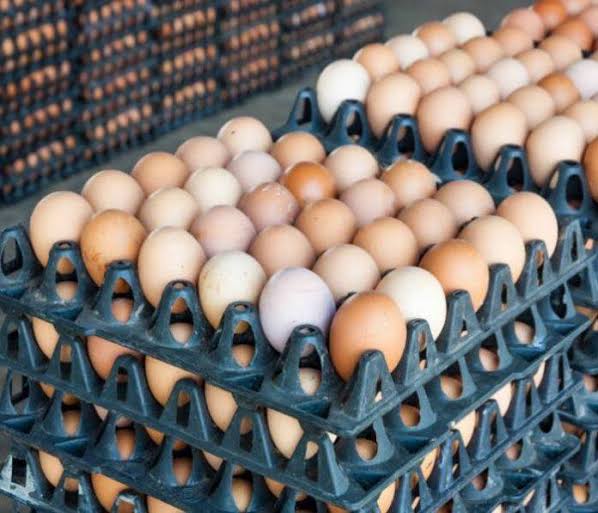
ESDAN Launches EggHome App to Tackle Egg Glut and Cut Out Middlemen
The Egg Sellers and Distributors Association of Nigeria unveils EggHome to link egg producers directly with consumers and ease recurring market gluts.

Nigeria Food Inflation Cools in August but Hunger Risks Persist
Food inflation slowed sharply in August 2026, offering relief to households, but international agencies warn that conflict and high input costs still leave millions of Nigerians acutely food insecure.
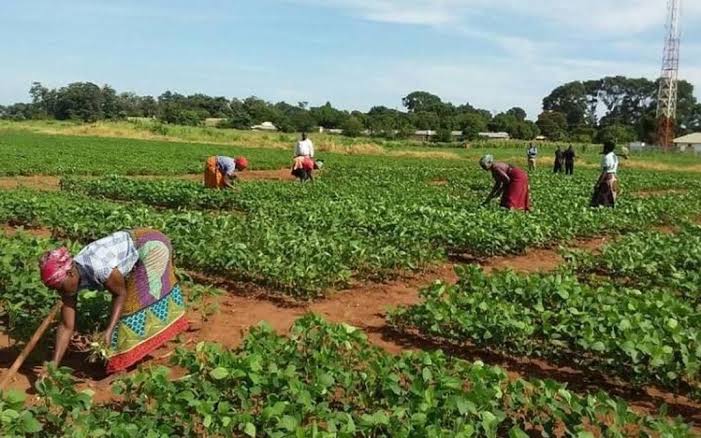
Niger Delta $500 Million Farm Fund Targets Food Security, Private Capital
Nigeria has launched a $500 million agriculture investment fund for the Niger Delta, pooling development finance and private capital to modernise farming and strengthen food security in the oil-producing region.
About the author
Tunde Balogun
Economics Correspondent
Tunde Balogun writes for BusinessPress.
More by Tunde Balogun