FG Launches Project WHEAT-NESS to Strengthen Nigeria's Wheat Value Chain
The Federal Government's WHEAT-NESS programme targets value chain development, MSME support and a dedicated fund as annual wheat consumption and imports hit six to seven million metric tonnes.
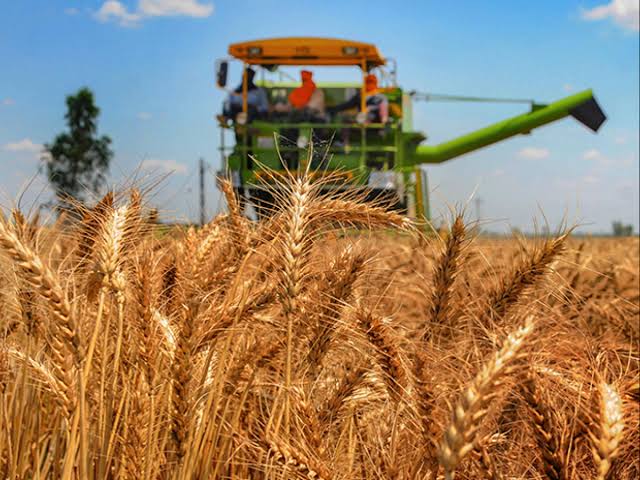
The Federal Government is set to launch Project WHEAT-NESS, a coordinated programme designed to strengthen Nigeria's wheat-based food industry by deepening local value addition, improving business competitiveness and attracting investment along the entire value chain.
The initiative is being coordinated by the Federal Ministry of Industry, Trade and Investment and will bring together government officials, industry operators, financial institutions, researchers and development partners to identify binding constraints and develop strategies for improving the sector's performance.
The Minister of State for Industry, John Enoh, announced the planned launch in a statement issued in Abuja, saying the event would hold at the Transcorp Hilton against the backdrop of Nigeria's estimated annual wheat consumption and imports of six to seven million metric tonnes.
Enoh said the programme would focus on four areas: value chain development, enterprise development, a Made-in-Nigeria marketing campaign and a dedicated development fund. The interventions are designed to improve supply and industrial efficiency, strengthen micro, small and medium-sized enterprises, encourage demand for locally produced foods and mobilise financing for businesses in the sector.
He added that the launch would feature a presentation of the programme's objectives, a strategic stakeholder dialogue and working sessions on supply, industrial competitiveness, markets and finance. Those discussions are expected to identify investment opportunities, potential partnerships and priority issues requiring technical support.
Why wheat is the hard part of Nigeria's food-security maths
Wheat is Nigeria's most import-dependent staple. Rice, cassava and maize have domestic production systems that, however imperfectly, scale with policy support. Wheat is different: the crop is capital-intensive, heat-sensitive and grown mostly under irrigation in the north, and local output has historically met only a fraction of demand. That is why a consumption-and-import figure of six to seven million metric tonnes carries so much weight — it is a recurring foreign-exchange bill in a country still managing currency pressure.
Value addition is where the money is. Flour milling, pasta, noodles, bread and confectionery sit downstream of the farm gate and are dominated by a handful of large processors. If a programme can pull more of the wheat supply chain into Nigerian hands — seed, aggregation, milling, branding — the economic multiplier is larger than the tonnage alone suggests.
The four pillars, read closely
The four focus areas are not merely rhetorical. A Made-in-Nigeria marketing campaign targets demand, which is often the missing half of import-substitution policy; enterprise development targets the MSME layer that struggles to access credit; and a dedicated development fund aims at the financing gap that has repeatedly stalled agro-industrial projects. Value chain development is the connective tissue that keeps the other three from operating in isolation.
The risk, as with many federal agricultural programmes, is execution. Nigeria does not lack for wheat strategies. The test of WHEAT-NESS will be whether the working sessions translate into procurement, seed distribution and finance that reach actual farmers and millers, rather than a communiqué.
What to watch
Three things will signal whether this is different: whether the development fund is capitalised with real money rather than pledges, whether the Made-in-Nigeria campaign is backed by public procurement of local wheat products, and whether the programme publishes measurable targets for local content in milling and baking. For a market this import-heavy, even a modest shift in the local share is a material FX story.
Up next
Hot US Inflation Jolts Global Markets as Fed Rate-Hike Bets Jump
US consumer prices rose 3.7 per cent year on year in September, above expectations, jolting global markets and lifting bets that the Federal Reserve may raise rates.
More in Agriculture
See all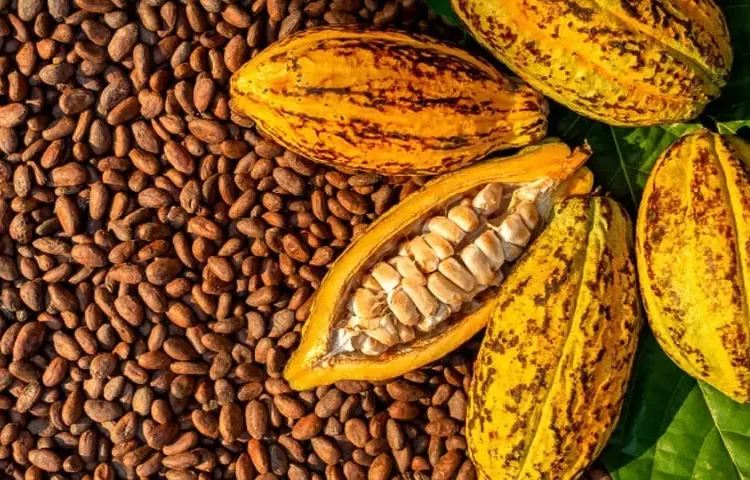
Agric Ministry, NEPC Join Stakeholders to Strengthen Cocoa and Coffee Industries
The Agriculture Ministry and NEPC convene stakeholders to advance strategies for lifting Nigeria's cocoa and coffee output, quality and export earnings.
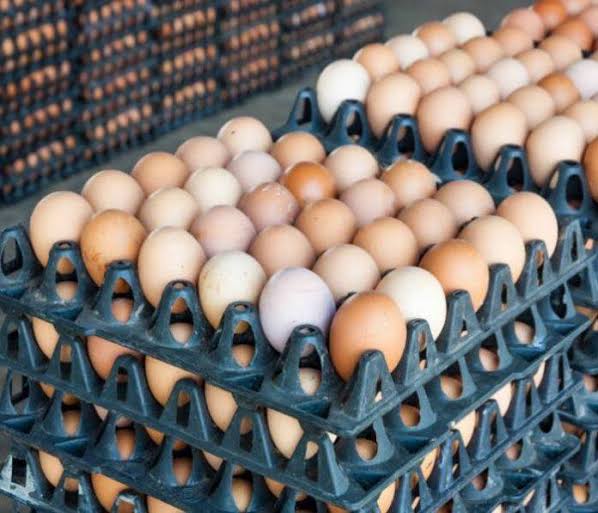
ESDAN Launches EggHome App to Tackle Egg Glut and Cut Out Middlemen
The Egg Sellers and Distributors Association of Nigeria unveils EggHome to link egg producers directly with consumers and ease recurring market gluts.
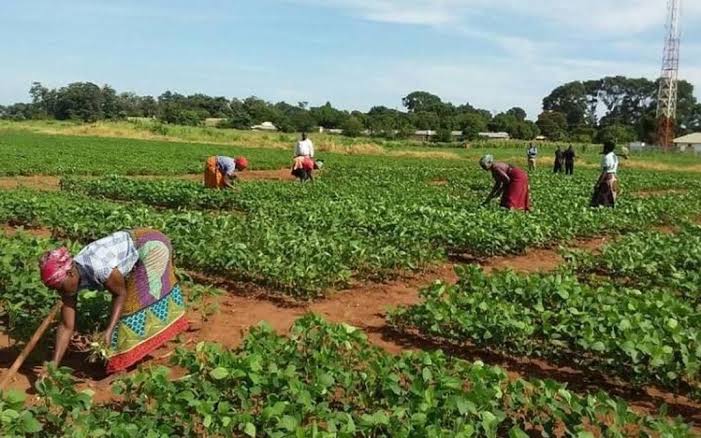
Niger Delta $500 Million Farm Fund Targets Food Security, Private Capital
Nigeria has launched a $500 million agriculture investment fund for the Niger Delta, pooling development finance and private capital to modernise farming and strengthen food security in the oil-producing region.
About the author
Tunde Balogun
Economics Correspondent
Tunde Balogun writes for BusinessPress.
More by Tunde Balogun