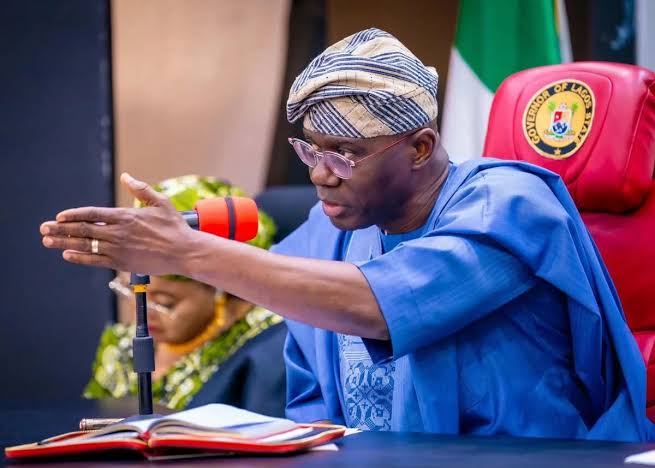
AFC Appoints CBN Governor Yemi Cardoso as Chairman of the Board
Cardoso succeeds Ireti Samuel-Ogbu at the helm of the Africa Finance Corporation, adding a continental infrastructure-finance role to his central bank duties.
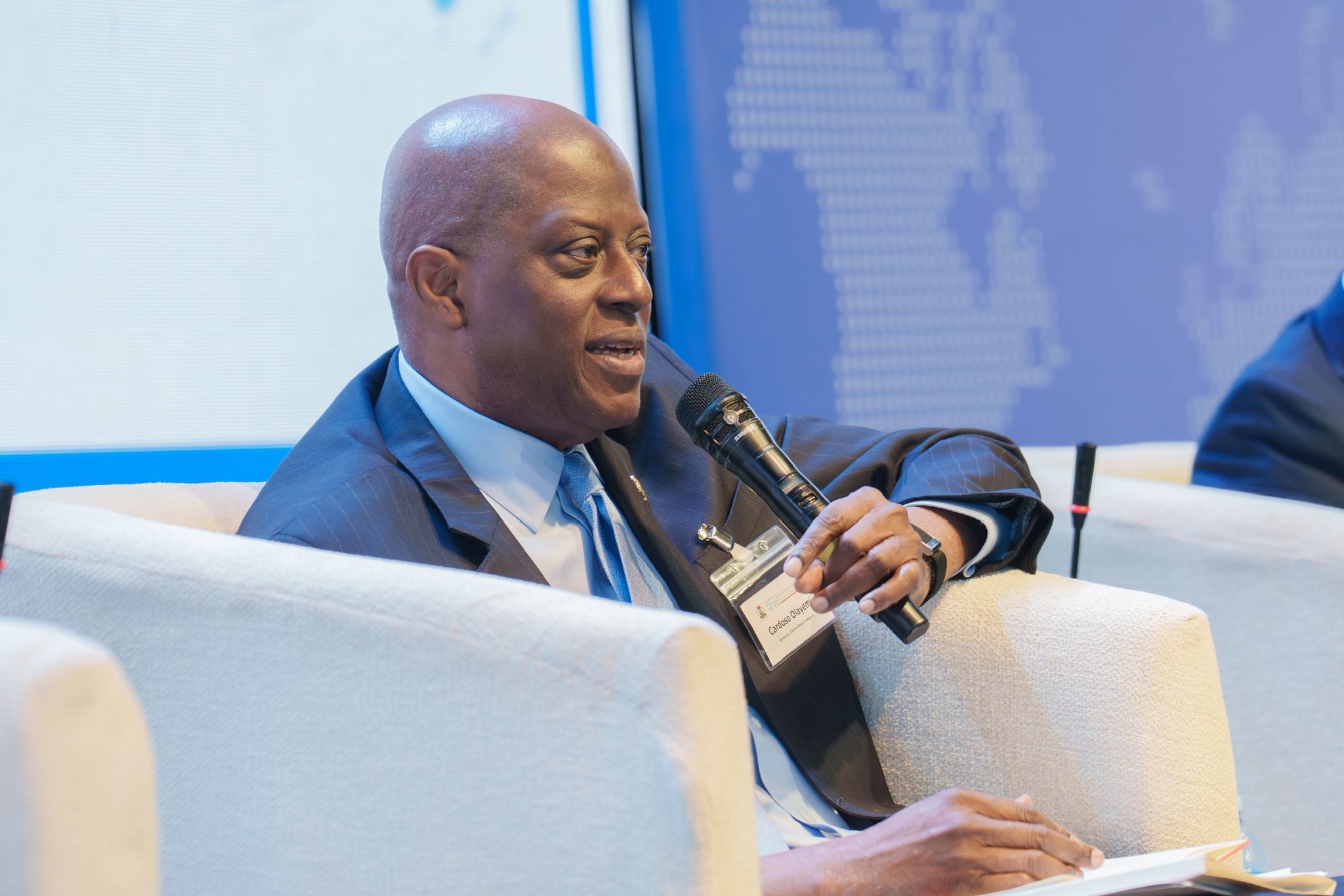
Africa Finance Corporation has appointed Olayemi Cardoso, Governor of the Central Bank of Nigeria, as Chairman of its Board of Directors, placing a key Nigerian economic policymaker at the helm of the continent's leading infrastructure financier.
Cardoso succeeds Ireti Samuel-Ogbu, who served as chair and will remain a member of the board. AFC President and Chief Executive Officer Samaila Zubairu disclosed the appointment, saying Cardoso's experience in financial-sector reform, institutional governance and capital markets would bring valuable perspective to the corporation's strategic direction.
Cardoso, who has led the Central Bank since September 2023, has overseen a far-reaching programme of monetary, financial-sector and institutional reforms. He becomes the latest Nigerian to chair the AFC board, continuing a pattern of Nigerian leadership at the pan-African institution.
Who Cardoso is, and why it matters
Before his central bank role, Cardoso built a career in international banking and public service, including a long tenure as Chairman of Citibank Nigeria and service as Commissioner for Economic Planning and Budget in Lagos State. That combination — commercial banking, public finance and now monetary policy — is unusually well suited to AFC's mandate, which sits at the intersection of capital markets and public infrastructure.
AFC finances and develops strategic assets across power, transport, natural resources, heavy industry, logistics and telecommunications. Its ambitions are set out in a long-term strategy that aims to mobilise African capital to build the continent's productive capacity. Cardoso's reform credentials give the institution added credibility with the investors and governments it must court.
The governance angle
Placing a sitting central bank governor on the board of a major development financier is not without questions. It concentrates influence and raises the familiar concern about conflicts of interest when a regulator also sits on the boards of institutions its policies touch. Those worries are typically managed through governance protocols, but they are worth watching as AFC pursues large, strategically sensitive projects.
What AFC gets
For AFC, the appointment signals continuity and intent. Nigeria is its largest shareholder and a core market, and having the country's top monetary official engaged at board level keeps the institution aligned with the federal government's infrastructure and industrialisation agenda. It also strengthens AFC's hand as it mobilises African institutional capital — pension funds, sovereign wealth vehicles and banks — for projects that require long-dated, hard-currency finance. The practical test, as always, will be execution: whether the board's direction translates into projects that break ground and deliver.
Up next
Financial Services Drive $9.64bn FX Demand as Sector Appetite Hits 15-Year High
Banks, fintechs and insurers are now the biggest source of dollar demand, underscoring how Nigeria's FX market is being reshaped by a deeper financial system.
More in Finance
See all
Only 0.3% of Nigeria's Informal Workers Have Pension Cover
Just 245,315 of Nigeria's roughly 84.9 million informal workers are enrolled in a pension plan, exposing a vast retirement savings gap, PenCom data shows.

PenCom Automates Penalties After N36.6 Billion Recoveries
PenCom has automated penalties for employers that delay pension remittances, after cumulative recoveries from defaulters reached N36.6 billion.
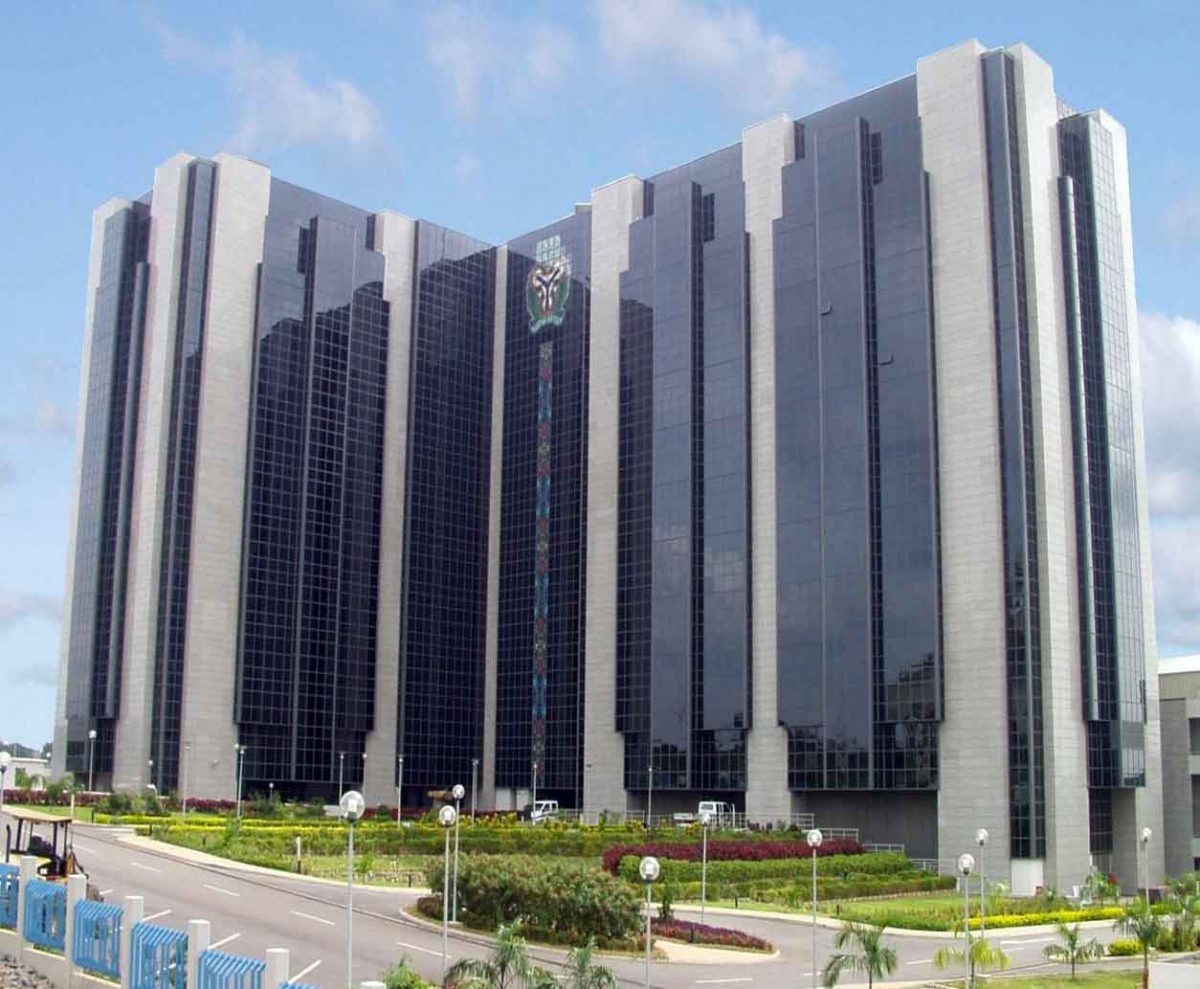
CBN's Liquidity Squeeze Keeps Banks Tight Despite Trillion-Naira Inflows
The Central Bank of Nigeria is mopping up excess cash to keep money-market conditions tight, supporting the naira and inflation but keeping borrowing costs elevated.
About the author
Musa Abdullahi
Finance Correspondent
Musa Abdullahi writes for BusinessPress.