Financial Services Drive $9.64bn FX Demand as Sector Appetite Hits 15-Year High
Banks, fintechs and insurers are now the biggest source of dollar demand, underscoring how Nigeria's FX market is being reshaped by a deeper financial system.
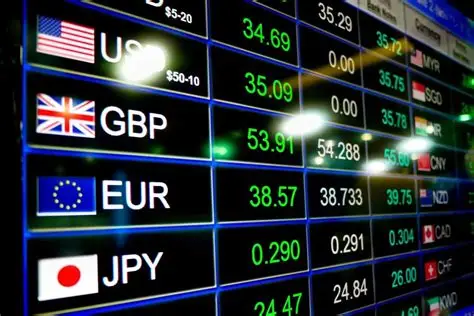
Nigeria's financial services sector has emerged as the dominant source of foreign-exchange demand, accounting for a record share of orders as appetite for dollars from banks, fintechs and related firms reached a 15-year high.
The surge reflects the sector's central role in an economy that is increasingly digitised and cross-border. Banks, payment processors, asset managers and insurance operators all require foreign currency for correspondent banking, technology procurement, settlement and offshore investment — needs that have grown as the financial system deepens.
Financial services demand for FX totaling around $9.64 billion underscores how much of the market's dollar appetite now originates outside the traditional import categories of fuel, machinery and raw materials.
Why financial services demand has ballooned
Several trends converge. The recapitalisation programme has pushed banks to strengthen their balance sheets and expand, raising their hard-currency requirements. The fintech layer — payments, lending and remittance platforms — has scaled rapidly and depends on FX for cross-border operations. And the government's own dollar obligations, channelled through the banking system, add to the volume. The sector's growth, in other words, is itself a source of dollar demand.
There is also a valuation effect. As the naira has stabilised and access to official FX has improved, institutions have rebuilt dollar positions and cleared backlogs that they had deferred when the market was more volatile. Some of the surge is catch-up rather than new structural demand.
The implications for the FX market
A single sector accounting for such a large share of demand concentrates risk. If financial institutions pause their dollar purchases — because they have met their needs or because tighter liquidity forces them to — the pressure on the currency eases quickly. Conversely, a sudden burst of sector demand can move the market. That volatility is a feature of a demand base that is more cyclical than the import bill it has come to rival.
What it says about the economy
That financial services now rivals goods importers in FX demand is a marker of structural change. Nigeria's economy is becoming more services- and finance-intensive, and its foreign-exchange market is reflecting that. It also means policies designed for an import-driven FX market may no longer fit. Understanding who is buying dollars — and why — is now as important to currency management as tracking oil receipts.
Up next
Oil Prices Slide as Geopolitical Risk Premium Eases, Weighing on Nigeria's Outlook
Brent slipped toward $104 and WTI to about $94 as supply-route fears eased, a move with direct consequences for Nigeria's budget and FX earnings.
More in Finance
See all
Standard Bank Signs Deal to Invest in OPay Ahead of New York Listing
Standard Bank Group has signed a subscription agreement to invest in OPay, expected to close around the fintech's planned New York listing, subject to the offering and regulatory approvals.

OPay Earns More From Lending Than Payments as Profit Hits $90.9 Million
OPay's US listing filing shows lending generated 50.6% of revenue in the first half of 2026, overtaking payments, as profit reached $90.9 million.

Liberia Seeks Nigeria's Insurance Playbook After N720 Billion Recapitalisation
Liberia's central bank has turned to NAICOM for guidance on supervision, after Nigeria's recapitalisation raised about N720 billion and strengthened 50 insurers.
About the author
Musa Abdullahi
Finance Correspondent
Musa Abdullahi writes for BusinessPress.