
Analysis: What Nigeria's 12-Month Disinflation Streak Has Permanently Taught Us
Analysis: twelve straight months of falling inflation to 15.39% prove the 2023 reforms worked differently from every prior disinflation. Here is what persists.
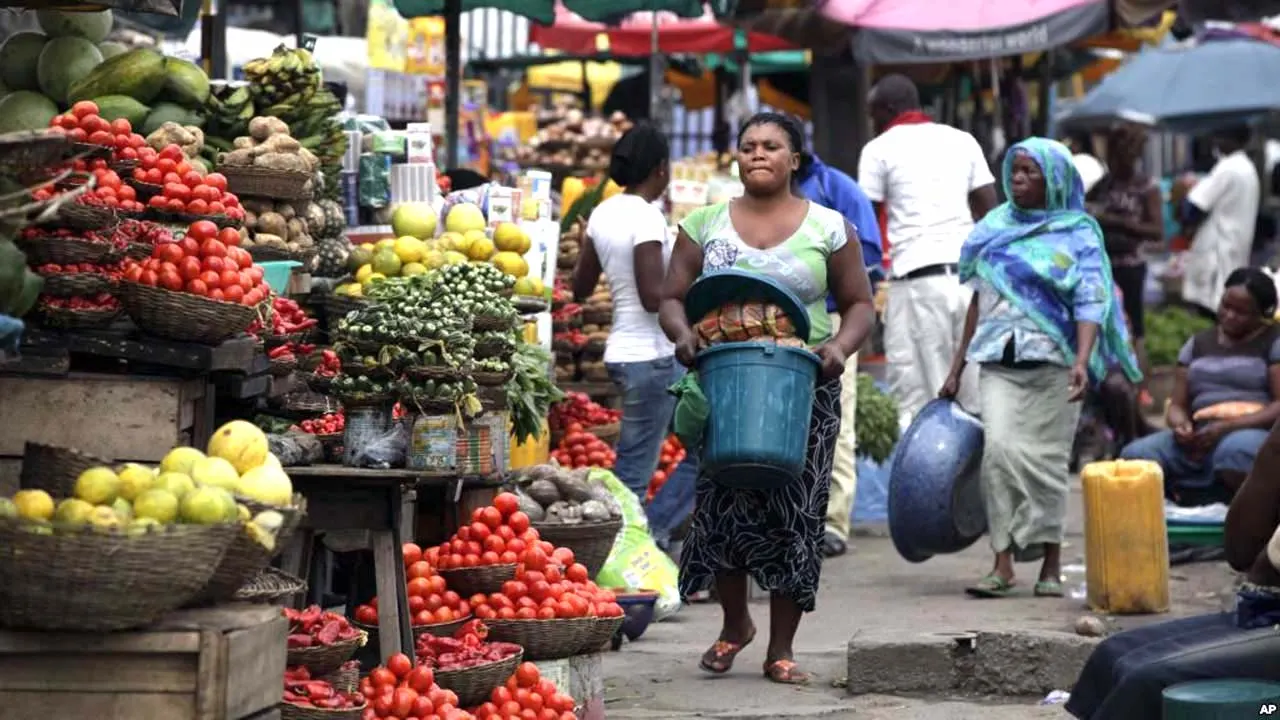
Analysis — Nigeria's inflation report showed the twelfth consecutive monthly decline this week, with headline inflation at 15.39 percent. The first instinct, everywhere from trading desks to Abuja committees, is to ask when the number will hit single digits. That is the wrong question. The right one is what Nigeria's price structure has permanently learned through this cycle — because the disinflation now running is real, durable in ways the 2015-16 version never was, and mostly unrepeatable.
The 2015-16 disinflation — and again the brief 2019-2020 stretch — was engineered from the demand side in an oil-anchored economy: borders closed, money supply squeezed administratively, and price controls administered through the FX regime. It never held, because the underlying structure that produced inflation remained: an import-dependent economy, a semi-fixed exchange rate with a multiple-rate premium, and a fiscal state that monetised its way through shortfalls. When the controls loosened, inflation returned higher than it left.
What is actually different this time
The 2023-2026 disinflation came through the opposite channel: price signals, not controls. Exchange-rate unification ended the rate arbitrage that had quietly taxed the economy and inflated import costs through the parallel market premium; fuel subsidy removal ended a fiscal bleed that was itself monetised through every downstream price; and monetary policy, rather than administrative directives, carried the anti-inflation load through a rate cycle that peaked at 27.5 percent. Prices were allowed to jump to their true levels first — then fall as the distortions unwound. That sequence, rise-then-fall-through-reform, is how economies actually exit inflation; the 2015 version tried to skip history and paid for it twice.
Twelve consecutive months of deceleration, with the rate now at 15.39 percent, is the ledger confirming the sequence worked. The CBN's September cut to 23 percent — preceded by twelve months of falling inflation and followed by liquidity-management easing — is the market pricing the credibility: easing into disinflation only happens when the central bank believes the trajectory is structural rather than statistical.
The unrepeatable part — and what remains
Honesty requires noting what this cycle had that the next one will not: one-time repricing effects. The subsidy-removal and exchange-unification shocks delivered the bulk of their disinflationary contribution in the first year, and that tailwind is gone. From here, every basis point of further decline must come from productivity, food-supply scale-up, fiscal discipline — the slow variables. The glide from 15 percent toward single digits will be measured in years, not quarters, and political patience will be tested before the finish line.
Two risks define the path. Food remains the largest cart in Nigeria's inflation basket, and Nigerian food supply is one bad harvest or one transport-fuel shock away from restarting the climb — which is why the agricultural productivity agenda is monetary policy's real accomplice now. And fiscal demand — wage cycles, security spending, the cost of elections — can turn the printing-press risk back on at any government borrowing splurge. The 2027 election calendar is already inside the inflation forecast horizon, and Nigeria's fiscal history says election years spend.
What businesses should do with a 15-percent Nigeria
For corporates, the planning era has changed: 15 percent inflation with a stable exchange rate is a fundamentally different economy from 30 percent with a collapsing naira. Contracting terms, pricing cycles, inventory strategy and wage negotiations all reprice in this environment toward longer horizons and real contracts rather than inflation-indexed survival tactics. Companies that built their 2026 plans expecting permanent crisis are running the wrong playbook; the ones building for a disinflating, reform-stabilised economy are already seeing the read-through in their financing costs.
The twelve-month streak is a genuine macro achievement — achieved through reforms that were politically brutal and are only beginning to pay their compounding dividends. The completed part of the disinflation was the cheap part, delivered by removing distortions. Everything from here is the expensive part: building the productive capacity that makes low inflation self-sustaining. Nigeria has stopped the bleeding. Building the white cells is the work of the decade that starts now.
Up next
Nigeria Woos European Investors for One Million Hectare Tree Crops Expansion
FG is courting European investors to fund expansion of about one million hectares of cocoa, oil palm, cashew and rubber estates.
More in Opinion & Analysis
See allNigeria's Debt Maths: Why Interest Is Eating the Budget
Federal interest payments consumed 124.2% of federal revenue in the first half of 2026, a stark illustration of how debt service is squeezing out investment.
Nigeria's Equity Market Is Booming Without the Foreigners
Nigeria's stock market has surged about 66% this year on domestic money alone, raising the question of how durable a rally can be without foreign investors.
Will Nigeria's Biggest Rate Cut Unlock Cheaper Credit?
Nigeria's central bank has delivered its largest-ever cut to the benchmark rate. The question now is whether banks will pass it on to the businesses and households that need affordable credit.
About the author
Fatima Bello
Analysis Editor
Fatima Bello writes for BusinessPress.
More by Fatima Bello


